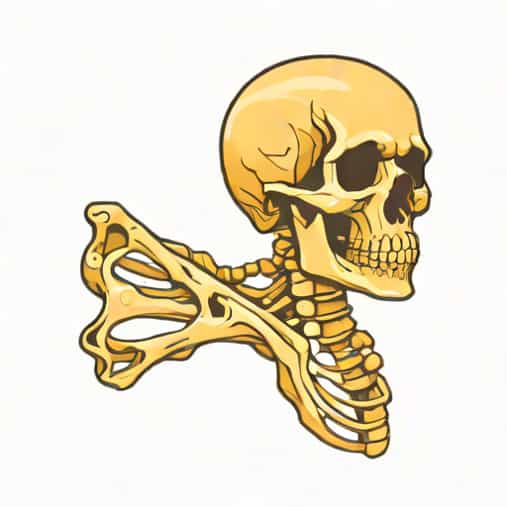
The process of bone development in the human body, known as ossification, is a complex and fascinating aspect of human growth. Bones begin as cartilage or fibrous tissue in the fetus and gradually harden over time through ossification. While most bones complete this process during childhood and adolescence, some bones ossify much later, even into early adulthood. Understanding which bones ossify last, and why, is essential for fields such as anatomy, medicine, and forensic science. It also provides insight into the growth and aging of the human skeletal system.
Overview of Ossification
Ossification, or osteogenesis, is the process by which new bone tissue is formed. There are two primary types of ossification intramembranous and endochondral. Intramembranous ossification occurs when bone develops directly from mesenchymal tissue, commonly seen in the skull and clavicles. Endochondral ossification, on the other hand, involves the replacement of cartilage with bone, a process essential for the development of long bones such as the femur and humerus.
In humans, ossification begins during fetal development and continues through childhood and adolescence. By the end of puberty, most bones have completed ossification. However, some bones, particularly those in the hands, feet, and the sacrum, continue to ossify well into adulthood.
Factors Affecting Bone Ossification
The timing of ossification can vary due to several factors, including genetics, nutrition, hormonal levels, and overall health. Key factors include
- GeneticsThe age at which bones ossify can be influenced by inherited traits.
- NutritionAdequate intake of calcium, vitamin D, and protein is essential for proper bone formation.
- HormonesGrowth hormone, thyroid hormone, and sex hormones play a critical role in bone maturation.
- Physical ActivityWeight-bearing activities stimulate bone growth and density, potentially affecting ossification timing.
Understanding these factors helps explain why some individuals may experience delayed or early ossification compared to average developmental timelines.
Last Bone to Ossify in the Human Body
Among all the bones in the human body, theclavicle (collarbone)is often recognized as one of the last bones to fully ossify. Specifically, the medial end of the clavicle, which connects to the sternum, completes ossification later than other bones. While most long bones complete their ossification by the late teens, the clavicle typically finishes ossifying between ages 25 and 30.
The clavicle is unique because it is the first bone to begin ossification in the fetus but also one of the last to complete it. It develops through intramembranous ossification in the central portion and endochondral ossification at the ends. This dual process contributes to its delayed final maturation.
Why the Clavicle Ossifies Last
Several anatomical and physiological reasons explain why the clavicle ossifies later than other bones
- Growth PatternThe clavicle has growth plates at both ends, but the medial epiphysis, near the sternum, matures later than most other long bone epiphyses.
- Structural FunctionAs a bone that connects the upper limb to the axial skeleton, the clavicle must maintain flexibility and strength during growth and physical development.
- Dual Ossification ProcessThe combination of intramembranous and endochondral ossification delays the completion of bone formation at the ends.
This late ossification has implications for forensic medicine, as the clavicle’s epiphyseal fusion can help determine age in young adults.
Other Late-Ossifying Bones
While the clavicle is the most commonly cited bone to ossify last, other bones in the body also finish their development relatively late
- SacrumThe five sacral vertebrae fuse gradually, with complete fusion occurring in the late twenties to early thirties.
- VertebraeCertain spinal vertebrae, especially in the lower thoracic and lumbar regions, may complete ossification into the mid-twenties.
- Epiphyses of Long BonesSome epiphyseal plates in the humerus, radius, and tibia may finalize ossification slightly later than other long bones.
These bones, like the clavicle, provide valuable information for age estimation in both clinical and forensic settings.
Clinical Significance of Delayed Ossification
Understanding the timing of the last bones to ossify is clinically important for several reasons
- Growth AssessmentPhysicians can monitor skeletal maturity and diagnose growth disorders using X-rays of late-ossifying bones.
- Fracture HealingKnowledge of bone maturation helps in planning treatment for fractures, particularly in young adults whose bones may still be completing ossification.
- Forensic Age EstimationLate-ossifying bones like the clavicle are commonly used in forensic science to estimate the age of unidentified bodies.
- Orthopedic SurgerySurgeons consider ossification status when performing procedures involving joints or bone grafts.
Delayed or incomplete ossification may indicate underlying conditions such as hormonal imbalances, nutritional deficiencies, or genetic disorders. Monitoring the development of these bones helps ensure proper skeletal health and overall growth.
Research and Studies on Clavicle Ossification
Numerous studies have investigated the ossification of the clavicle, emphasizing its importance in age estimation and anatomical research. Radiographic analysis of the medial clavicular epiphysis shows predictable fusion patterns, which are used to determine the age of individuals in legal and medical contexts. The research consistently shows that full ossification is not typically achieved until the mid- to late twenties, highlighting the clavicle as the last bone to complete the ossification process in most humans.
Practical Applications
Understanding which bones ossify last can have practical applications beyond medicine
- AnthropologyAnthropologists use ossification timelines to study human development across populations and historical periods.
- Sports MedicineAthletes may benefit from understanding bone maturity to prevent injuries during high-intensity training.
- EducationTeaching about the last bones to ossify enhances knowledge of human anatomy and growth patterns.
In summary, the process of ossification in the human body is a gradual and intricate phenomenon, with the clavicle, particularly its medial end, being the last bone to fully ossify. This bone typically completes ossification between the ages of 25 and 30, later than most other bones. Understanding the timing of the last bones to ossify provides insight into human growth, aids in medical assessments, and serves important functions in forensic and anthropological studies. Awareness of late ossification patterns ensures that healthcare providers, researchers, and educators can accurately evaluate skeletal maturity and address potential growth-related concerns. The clavicle, as the final bone to ossify, exemplifies the complexity and precision of human skeletal development.