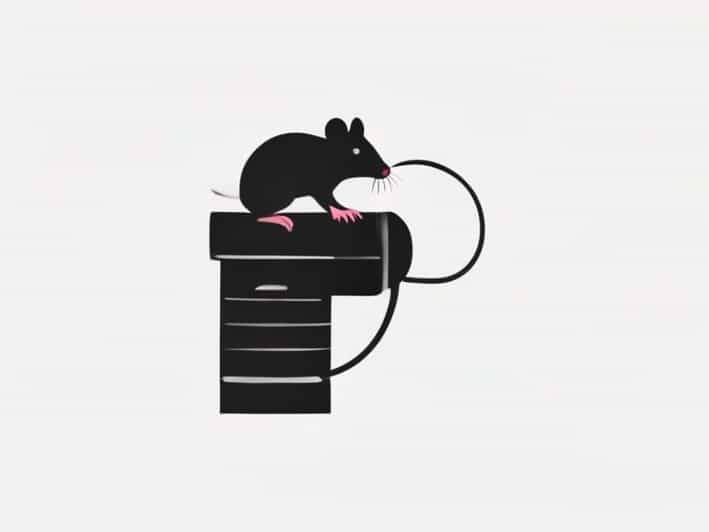
The phrase like a rat up a drainpipe is a vivid and memorable expression that instantly creates a strong mental image. It is one of those idioms that sounds strange at first but becomes clearer once its meaning and background are understood. Commonly used in informal English, especially in British speech, this phrase describes speed, urgency, or sudden movement in a dramatic way. Exploring this expression reveals how language uses everyday imagery to communicate emotion, action, and tone.
Basic Meaning of the Phrase
At its core, like a rat up a drainpipe means moving very quickly, often in response to danger, fear, or urgency. The image suggests a rat scrambling rapidly through a narrow pipe to escape a threat. Because of this, the phrase usually carries a sense of panic, surprise, or instinctive reaction.
It is not typically used in formal writing. Instead, it appears in casual conversation, storytelling, or humorous descriptions where exaggeration adds color to the situation.
Visual Imagery and Why It Works
English idioms often rely on strong visual scenes, and this phrase is a good example. Rats are known for being fast, alert, and skilled at navigating tight spaces. A drainpipe, narrow and enclosed, suggests urgency and limited options.
When these elements combine, the listener immediately imagines sudden, frantic movement. This clear imagery makes the phrase effective and easy to remember.
Common Situations Where It Is Used
Like a rat up a drainpipe is usually used to describe a person reacting quickly, often without much thought. The action may be physical or metaphorical.
- Someone running away from trouble
- A person leaving suddenly after being embarrassed
- Quick movement caused by fear or shock
- A rapid response to unexpected consequences
The phrase often implies that the speed was not planned but driven by instinct.
Tone and Emotional Meaning
The emotional tone of this phrase is usually informal and expressive. It can be humorous, critical, or descriptive depending on context. Sometimes it carries mild judgment, suggesting cowardice or avoidance, but often it is simply observational.
For example, describing someone as going like a rat up a drainpipe may imply they wanted to escape responsibility. In other cases, it may just highlight how fast they moved.
British Origins and Usage
This phrase is most commonly associated with British English. It reflects a tradition of earthy, working-class expressions that draw from everyday urban life. Drainpipes, alleys, and animals are familiar features in older British cities, making the metaphor relatable.
While understood in other English-speaking regions, it is far more likely to be heard in the UK than in American or Australian English.
Comparison With Similar Expressions
English has many idioms that describe speed or sudden movement. Comparing them helps clarify the unique flavor of this phrase.
Like a Bat Out of Hell
This expression also means very fast movement, but it suggests raw speed rather than panic. Like a rat up a drainpipe feels more reactive and desperate.
Gone in a Flash
This phrase focuses on disappearance rather than movement. It lacks the emotional tension present in the rat and drainpipe imagery.
Run for Your Life
This is more literal and urgent, while like a rat up a drainpipe adds humor and exaggeration.
Metaphorical Meaning Beyond Physical Movement
Although the phrase often describes physical speed, it can also be used metaphorically. For example, someone might abandon a conversation, job, or obligation like a rat up a drainpipe when things become uncomfortable.
In this sense, the phrase highlights avoidance rather than athletic speed. It suggests retreat rather than progress.
Social and Cultural Perceptions
Because rats are often viewed negatively, the phrase can carry subtle criticism. It may suggest sneakiness, fear, or a lack of courage. However, it is rarely meant as a harsh insult.
In many cases, the expression is playful or exaggerated, used more for storytelling effect than judgment.
Using the Phrase in Conversation
When using like a rat up a drainpipe, context matters. It works best in casual conversation where colorful language is welcome. Using it in a serious or professional setting may feel out of place.
Native speakers often use it to make a story more engaging, especially when describing unexpected reactions.
Why Idioms Like This Survive
Idioms endure because they compress meaning into a short, memorable phrase. This one survives because it paints a clear picture and conveys emotion efficiently.
Even if someone has never seen a rat in a drainpipe, the image is easy to imagine. This universality helps the phrase remain relevant.
Language Learning Perspective
For learners of English, phrases like like a rat up a drainpipe can be confusing at first. The literal meaning does not match the intended message. However, learning such idioms improves fluency and cultural understanding.
Understanding when and how to use idiomatic language is often a sign of advanced language skill.
Modern Relevance
Although rooted in older urban imagery, the phrase is still used today. It appears in dialogue, anecdotes, and informal writing where expressive language is valued.
Its survival shows how language adapts while preserving colorful expressions from the past.
Common Misunderstandings
Some people mistakenly think the phrase refers to success or cleverness. In reality, it emphasizes speed driven by necessity, not intelligence or achievement.
Understanding the emotional undertone prevents misuse and confusion.
Why the Phrase Feels So Expressive
The combination of animal behavior and confined space creates tension and urgency. This makes the phrase emotionally charged without needing extra explanation.
Such expressions show how language uses metaphor to communicate complex feelings quickly.
The phrase like a rat up a drainpipe is a powerful example of how idiomatic language brings stories to life. With its strong imagery and emotional clarity, it captures moments of sudden movement, panic, or retreat in a way that plain description cannot.
Though informal and regionally influenced, the expression remains widely understood and effective. By exploring its meaning, usage, and cultural background, we gain a deeper appreciation for how everyday language turns ordinary images into lasting expressions.