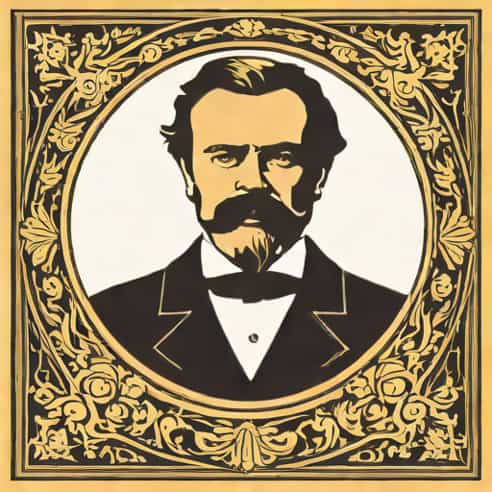
Friedrich Nietzsche’s philosophy introduced the concepts of the Apollonian and Dionysian as contrasting forces that shape human experience, art, and culture. Central to his exploration of these ideas is the Dionysian worldview, which embraces chaos, instinct, emotion, and the interconnectedness of life. Nietzsche presents the Dionysian perspective as a counterbalance to the structured, rational, and orderly Apollonian approach. Understanding Nietzsche’s Dionysian worldview provides insight into his broader philosophical project, which challenges conventional morality, celebrates the affirmation of life, and explores the transformative potential of human creativity and passion. This worldview has profound implications for art, society, and personal self-understanding.
Origins of the Dionysian Concept
The Dionysian worldview is named after Dionysus, the ancient Greek god of wine, ecstasy, and revelry. Nietzsche first elaborated on the concept in his early work The Birth of Tragedy, where he contrasts Dionysian and Apollonian tendencies in Greek tragedy. The Dionysian embodies instinct, intoxication, and the dissolution of individuality into collective experience. It represents the raw, chaotic aspects of existence, including suffering, desire, and the cyclical nature of life. In contrast, the Apollonian represents order, reason, clarity, and structured beauty. Nietzsche argues that both forces are necessary, but the Dionysian is particularly crucial for capturing the fullness and intensity of life.
Characteristics of the Dionysian Worldview
- Embrace of Chaos Accepting the unpredictable, uncontrollable aspects of existence.
- Ecstasy and Intoxication Experiencing life through intense emotion, often in communal or artistic settings.
- Unity with Nature Dissolving the individual ego into a greater, interconnected whole.
- Affirmation of Life Embracing both pleasure and suffering as integral to existence.
These characteristics distinguish the Dionysian worldview from more rational or morally constrained perspectives, emphasizing the power of instinct and the raw energy of human life.
Dionysian Worldview in Art and Culture
Nietzsche’s discussion of the Dionysian is particularly influential in understanding Greek tragedy. He believed that the greatest works of art emerge from the tension and interplay between Apollonian form and Dionysian content. In tragedies, the Apollonian provides structure and narrative coherence, while the Dionysian brings depth, intensity, and emotional authenticity. This combination allows audiences to confront profound truths about suffering, mortality, and the human condition in a cathartic experience. Nietzsche saw this interplay as the highest expression of artistic achievement and a model for understanding human creativity more broadly.
Impact on Modern Thought
- Literature Writers and poets often embody Dionysian qualities through exploration of passion, chaos, and existential themes.
- Music Certain musical forms, particularly those invoking deep emotion and collective ecstasy, reflect the Dionysian spirit.
- Philosophy Nietzsche’s emphasis on the Dionysian challenges rationalist and moralistic frameworks, encouraging existential reflection.
By situating the Dionysian in the realm of art and culture, Nietzsche demonstrates its relevance not only as a philosophical concept but also as a guiding force in human creativity and expression.
Psychological Dimensions of the Dionysian
The Dionysian worldview also carries significant psychological implications. Nietzsche suggests that embracing Dionysian qualities allows individuals to confront their inner desires, fears, and instincts honestly. It encourages a recognition of life’s inherent suffering and the potential for transformation through embracing rather than denying these realities. In psychological terms, the Dionysian can be understood as engaging with the unconscious, the emotional depths of the psyche, and the primal drives that shape human behavior. This engagement fosters authenticity, resilience, and a fuller experience of existence.
Key Psychological Features
- Integration of Shadow Recognizing and incorporating darker, instinctual aspects of the self.
- Emotional Intensity Experiencing feelings fully, without repression or denial.
- Communal Connection Experiencing a sense of unity with others through shared emotional or ecstatic experiences.
These psychological dimensions underscore Nietzsche’s belief that the Dionysian is not merely destructive but deeply creative and life-affirming.
Dionysian vs. Apollonian A Balance
While Nietzsche elevates the Dionysian worldview, he does not dismiss the importance of the Apollonian. The tension between order and chaos, structure and ecstasy, reason and instinct, is central to his philosophy. The Apollonian provides the form necessary to channel Dionysian energy into meaningful experiences, whether in art, social life, or personal development. Nietzsche suggests that the greatest achievements-culturally, psychologically, and personally-arise from a dynamic balance between these forces, rather than the dominance of one over the other.
Practical Implications of Balance
- Personal Growth Combining rational planning with instinctual exploration promotes holistic development.
- Artistic Creation Merging structure with emotional intensity results in compelling works of art.
- Societal Innovation Societies thrive when stability and innovation coexist, reflecting Apollonian and Dionysian dynamics.
Recognizing this balance allows individuals to appreciate the necessity of both order and chaos in life, leading to a richer, more dynamic experience of existence.
Critiques and Interpretations
Nietzsche’s Dionysian worldview has inspired diverse interpretations and critiques. Some scholars emphasize its existential and life-affirming qualities, highlighting the importance of embracing suffering and ecstasy as integral to authentic living. Others caution against excessive Dionysian indulgence, noting the potential for self-destructive behavior if chaos and instinct are pursued without restraint. Despite differing perspectives, the Dionysian remains a powerful concept for understanding human creativity, emotion, and the philosophical exploration of life’s intensity.
Key Points of Debate
- Ethical Concerns How can Dionysian impulses be reconciled with moral responsibility?
- Practicality Can individuals and societies sustain Dionysian qualities without destabilization?
- Interpretation Scholars debate whether the Dionysian is primarily a psychological, cultural, or metaphysical concept.
Nietzsche’s Dionysian worldview represents a profound exploration of life’s chaos, emotion, and instinctual energy. By contrasting it with the Apollonian, Nietzsche provides a framework for understanding the interplay between order and disorder, reason and passion, and form and intensity. The Dionysian influences art, psychology, philosophy, and culture, encouraging individuals to embrace life fully, including its suffering and ecstasy. While it poses challenges and risks, the Dionysian ultimately serves as a call to affirm life, confront reality without denial, and explore the transformative potential of human creativity and instinct. Understanding Nietzsche’s Dionysian worldview offers a path toward a more authentic, vibrant, and integrated experience of existence.