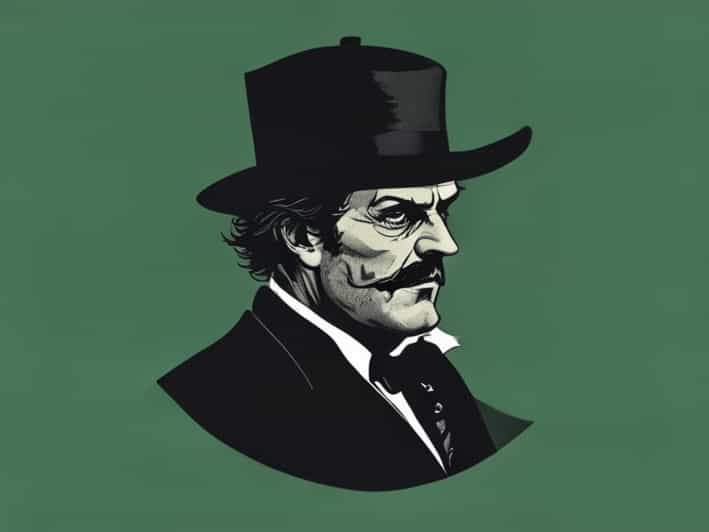
Robert Louis Stevenson’s novella,Dr Jekyll and Mr Hyde, is a gripping exploration of the duality of human nature, morality, and the struggle between good and evil within a single individual. The story, set in Victorian London, delves into the life of Dr Henry Jekyll, a respected scientist, who experiments with separating his virtuous and darker sides. Stevenson uses the narrative to explore psychological complexity and the consequences of giving in to hidden desires. The tale’s suspenseful plot, memorable characters, and moral lessons have made it a classic of literature and a profound study of human psychology that continues to captivate readers worldwide.
Setting and Atmosphere
The story takes place in London during the late 19th century, a time marked by strict social codes, scientific curiosity, and moral propriety. Stevenson creates a dark, mysterious atmosphere that mirrors the internal conflict of Dr Jekyll. Foggy streets, dimly lit alleys, and imposing buildings provide a backdrop that emphasizes secrecy, danger, and the unknown. The setting contributes to the novella’s gothic tone, reflecting the hidden darkness within individuals and society itself. London’s dual nature, both respectable and corrupt, parallels the split within Jekyll’s own identity.
The Duality of Human Nature
At the heart of the story is the theme of duality. Dr Jekyll is a man who has cultivated a respectable, moral persona but struggles with darker impulses that society deems unacceptable. His experiments aim to separate these sides, allowing him to indulge in immorality without facing social consequences. The creation of Mr Hyde, a manifestation of Jekyll’s baser instincts, represents the dangers of repressing and compartmentalizing human desires. Stevenson explores the idea that every person harbors both good and evil, and attempting to isolate one from the other can lead to disastrous consequences.
Main Characters
The novella features a small but memorable cast of characters who highlight various aspects of Victorian society and human psychology.
- Dr Henry JekyllA well-respected scientist and gentleman who experiments with separating his good and evil sides. His internal conflict drives the story and serves as a cautionary example of human ambition and moral compromise.
- Mr Edward HydeThe dark, violent, and immoral alter ego of Dr Jekyll. Hyde allows Jekyll to indulge in wicked behavior without personal accountability, but he gradually gains control, leading to chaos and tragedy.
- Mr Gabriel John UttersonJekyll’s lawyer and close friend, who investigates the strange occurrences surrounding Hyde. Utterson represents reason, morality, and loyalty, acting as the story’s moral compass and investigative lens.
- Dr Hastie LanyonA former friend of Jekyll, Lanyon is a man of science and rationality who becomes horrified by Jekyll’s experiments, emphasizing the conflict between conventional morality and scientific ambition.
The Transformation
The central element of the story is Jekyll’s transformation into Hyde. Using a chemical potion, Jekyll physically and mentally becomes Hyde, shedding his social identity and moral restraint. Initially, these transformations provide freedom and excitement, allowing him to act on impulses without consequence. However, Hyde’s influence grows stronger over time, and Jekyll finds himself losing control. Stevenson uses these transformations to symbolize the dangerous allure of unchecked desires and the consequences of attempting to separate the human psyche into distinct moral and immoral halves.
Plot Summary
The novella opens with Mr Utterson, Jekyll’s lawyer, hearing rumors about a mysterious man named Mr Hyde. Hyde is linked to violent and criminal behavior, causing concern among those who know Jekyll. Utterson’s investigation gradually uncovers the strange relationship between Jekyll and Hyde. As Hyde commits increasingly serious acts, the tension escalates, and the contrast between Jekyll’s respectable life and Hyde’s immoral actions becomes more pronounced. The story builds suspense as readers are drawn into the mystery of how one man could be connected to such evil.
Rising Tension
Utterson observes that Jekyll is increasingly secretive and troubled. Letters and accounts suggest that Hyde is gaining influence over Jekyll’s life. Jekyll’s friends grow worried about his well-being, yet Jekyll reassures them that Hyde is under control. Despite these assurances, Hyde’s behavior escalates to murder, revealing the uncontrollable nature of the darker side of human instincts. Stevenson uses this escalation to heighten tension and underscore the moral consequences of surrendering to one’s darker impulses.
The Climax and Revelation
The climax of the novella occurs when Utterson and others discover the full truth through a series of letters and confessions left by Jekyll. It is revealed that Jekyll and Hyde are the same person, and that Hyde has committed heinous acts while Jekyll’s social persona tried to maintain respectability. The dual identity, initially a controlled experiment, spirals into uncontrollable chaos. Jekyll realizes that Hyde is beginning to dominate, and he can no longer return to his former self at will. This revelation exposes the moral dangers of attempting to separate good from evil within a human being.
Tragic Ending
In the end, Jekyll loses the battle for control over his identity. Hyde’s actions result in irreversible consequences, including death and social disgrace. Stevenson’s ending is both shocking and morally instructive, illustrating that human nature cannot be neatly divided or controlled without serious repercussions. The tragic conclusion leaves readers reflecting on morality, accountability, and the complex nature of humanity.
Themes and Messages
Stevenson’s novella explores several themes that remain relevant today
- Duality of Human NatureEvery person contains both good and evil, and attempts to separate or suppress either side can lead to disaster.
- Consequences of Scientific AmbitionJekyll’s experiments show the dangers of pursuing knowledge and power without moral restraint or consideration of ethical boundaries.
- Moral ResponsibilityActions have consequences, and trying to avoid accountability by creating a separate identity leads to tragedy.
- Repression and Social PressureVictorian society’s rigid moral standards contribute to Jekyll’s decision to hide his darker side, highlighting the dangers of suppressing natural desires.
- Psychological ComplexityStevenson examines the conflict between conscience, desire, and societal expectation, offering an early exploration of modern psychology in literature.
Dr Jekyll and Mr Hydeis a timeless novella that explores the complexities of human nature, morality, and identity. Through Jekyll’s tragic transformation into Hyde, Stevenson warns about the dangers of unchecked ambition, moral compromise, and the attempt to separate good from evil within oneself. The story’s gothic atmosphere, memorable characters, and moral lessons continue to resonate with readers today. By highlighting the duality of human nature and the consequences of surrendering to darker impulses, the novella encourages reflection on personal responsibility, ethics, and the human struggle between virtue and vice. Its enduring relevance and captivating narrative ensure thatDr Jekyll and Mr Hyderemains a cornerstone of classic literature and a powerful exploration of the human psyche.