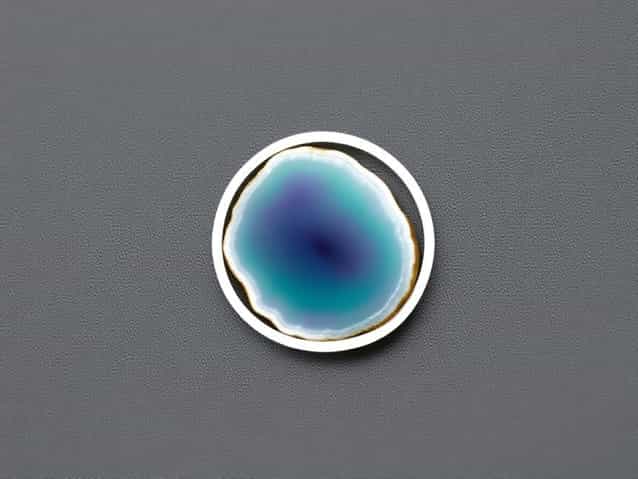
Chalcedony is a captivating and versatile gemstone that has fascinated humans for thousands of years. Known for its smooth texture, translucency, and a wide range of colors, chalcedony has been used in jewelry, carvings, and decorative art since ancient times. Its significance extends beyond aesthetics, as many cultures have attributed protective, healing, and spiritual qualities to this beautiful stone. Understanding the meaning of chalcedony provides insight into its mineral composition, historical use, symbolic significance, and continued popularity in modern jewelry and metaphysical practices.
Definition of Chalcedony
Chalcedony is a microcrystalline form of quartz, composed primarily of silicon dioxide (SiO2). Unlike crystalline quartz, which forms large, visible crystals, chalcedony consists of tiny interlocking crystals that give it a waxy luster and smooth texture. It can be translucent or opaque and occurs in a variety of colors, including blue, white, gray, pink, and even multicolored patterns. This gemstone is valued for its durability, aesthetic appeal, and symbolic associations in many cultures.
Origins and Geological Formation
Chalcedony forms in volcanic and sedimentary rocks, typically filling cavities, fractures, or voids in the surrounding rock. Over time, silica-rich fluids deposit layers of microscopic crystals, creating the smooth, uniform texture characteristic of chalcedony. This slow, natural process can take thousands or even millions of years. Geologists study chalcedony to understand past geological activity, including volcanic eruptions and sedimentation patterns, making it a gemstone of both beauty and scientific interest.
Types and Varieties of Chalcedony
Chalcedony comes in numerous varieties, each with distinct colorations and patterns. These varieties have unique names and uses in jewelry and decorative art. Some notable types include
Blue Chalcedony
Blue chalcedony is a soft, calming stone with a light to medium blue hue. It is often associated with emotional balance, communication, and tranquility. Many jewelers use blue chalcedony in rings, pendants, and earrings for its soothing appearance and elegant appeal.
Agate
Agate is a well-known variety of chalcedony characterized by its layered patterns and vibrant colors. It can include banded, moss, or dendritic agates, each with distinct visual textures. Agate has been used for centuries in carvings, seals, and jewelry, prized for its durability and ornamental beauty.
Carnelian
Carnelian is a reddish-orange form of chalcedony that has been historically valued for its rich color and symbolic properties. Ancient civilizations, including the Egyptians and Romans, used carnelian in amulets, signet rings, and decorative objects, believing it brought courage, vitality, and protection.
Chrysoprase
Chrysoprase is a green variety of chalcedony colored by nickel inclusions. Its vibrant green hue symbolizes growth, renewal, and prosperity. Chrysoprase is popular in fine jewelry and is often carved into cabochons or beads.
Cultural and Historical Significance
Chalcedony has been valued across cultures and civilizations for its beauty and supposed metaphysical properties. In ancient times, it was used to craft seals, talismans, and jewelry, believed to provide protection and spiritual insight. Different societies attributed specific meanings to chalcedony, including
- Ancient EgyptUsed in amulets to protect the wearer and ensure safe passage in the afterlife.
- Ancient Rome and GreeceCarved into cameos, intaglios, and signet rings for ornamental and symbolic purposes.
- Native American TribesBelieved to enhance harmony, balance, and communication.
Spiritual and Healing Associations
In metaphysical practices, chalcedony is considered a nurturing and balancing stone. Its gentle energy is said to promote emotional stability, reduce stress, and enhance communication skills. Many crystal healers use chalcedony to improve clarity of thought, foster peaceful interactions, and encourage positive energy. Each variety of chalcedony is believed to carry additional attributes-for example, carnelian for motivation, blue chalcedony for calmness, and chrysoprase for prosperity.
Uses in Jewelry and Decorative Art
Chalcedony’s beauty and durability make it a popular gemstone in jewelry and decorative items. Jewelers often cut chalcedony into cabochons, beads, or carved pieces, emphasizing its smooth texture and vibrant color. It is used in rings, necklaces, bracelets, and earrings, as well as in ornamental carvings, vases, and figurines. Its relative hardness and resistance to weathering make it suitable for long-lasting creations, both functional and decorative.
Modern Popularity
Chalcedony remains popular in contemporary jewelry and design for several reasons
- Its wide range of colors allows for versatile use in different styles and aesthetics.
- It is accessible and relatively affordable compared to other gemstones.
- Its smooth texture and translucency create a soft, elegant appearance.
- It carries historical and cultural significance, adding meaning to modern pieces.
Scientific and Technical Aspects
From a scientific perspective, chalcedony is of interest due to its microcrystalline structure. It exhibits a cryptocrystalline form of quartz, meaning its crystals are too small to be seen without magnification. Its hardness, measured at 6.5 to 7 on the Mohs scale, makes it suitable for carving and jewelry applications. Chalcedony’s chemical stability allows it to resist weathering and maintain its color and texture over time. These properties make it both an aesthetically pleasing and technically valuable mineral.
Care and Maintenance
Maintaining chalcedony jewelry and decorative objects is relatively straightforward. It is resistant to scratches and chemical corrosion, but it is best to avoid harsh chemicals or prolonged exposure to extreme heat. Regular cleaning with warm soapy water and a soft cloth helps preserve its luster and vibrancy. Proper storage away from other hard gemstones reduces the risk of scratches and damage.
Chalcedony is a remarkable gemstone with a rich history, versatile uses, and symbolic significance. From its geological formation and mineral composition to its cultural, spiritual, and decorative roles, chalcedony has captivated humanity for centuries. Its variety of colors, smooth texture, and durable nature make it a favorite in jewelry and art, while its symbolic and metaphysical associations continue to inspire those who seek meaning and balance in their lives. Understanding the meaning of chalcedony allows us to appreciate not only its beauty but also its enduring cultural, historical, and spiritual value, making it a gemstone that continues to resonate across time and civilizations.