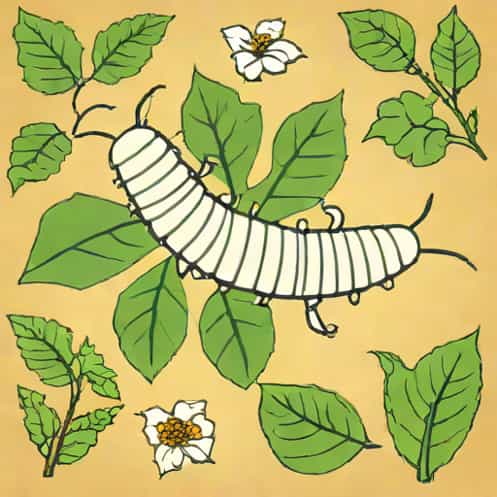
The Tasar silkworm is a highly valued insect in sericulture, known for producing a distinctive type of wild silk called Tasar silk. This silk is prized for its natural golden hue, strength, and durability, making it an important commodity in the textile industry. Understanding the zoological classification of the Tasar silkworm helps researchers, farmers, and silk producers optimize cultivation practices, ensure quality production, and preserve biodiversity. The study of Tasar silkworms also provides insights into their biology, life cycle, and ecological significance, highlighting the intricate balance between nature and agriculture in silk production.
Zoological Classification of Tasar Silkworm
The Tasar silkworm belongs to the insect class, order Lepidoptera, which includes moths and butterflies. Its scientific or zoological name isAntheraea mylitta, though there are closely related species likeAntheraea paphiaandAntheraea pernyithat are cultivated in different regions for Tasar silk production. The genusAntheraeais known for producing wild silk varieties, often referred to as non-mulberry silks, due to their origin from trees other than the mulberry.
Taxonomic Hierarchy
- KingdomAnimalia
- PhylumArthropoda
- ClassInsecta
- OrderLepidoptera
- FamilySaturniidae
- GenusAntheraea
- SpeciesAntheraea mylitta
Physical Characteristics of Tasar Silkworm
The Tasar silkworm is medium to large in size, with a caterpillar stage that is voracious in feeding. Its body is usually green or bluish-green, adorned with tubercles and tiny spines that provide camouflage against predators. The larvae primarily feed on leaves of host plants like the Arjuna tree (Terminalia arjuna), Asan tree (Terminalia tomentosa), and other regional forest trees, which influences the color and quality of the silk produced.
Life Cycle of Tasar Silkworm
The life cycle of the Tasar silkworm includes four stages egg, larva (caterpillar), pupa (cocoon), and adult moth. The egg stage lasts about 10-12 days, after which larvae emerge and undergo five to six instars over 30-40 days. During this period, they consume large amounts of foliage to support growth. The pupal stage involves cocoon formation, which takes around 15-20 days. Finally, the adult moth emerges, primarily for mating purposes, after which the cycle continues with egg-laying. Understanding these stages is crucial for successful Tasar silk production.
Habitat and Distribution
Tasar silkworms are native to the forested regions of India, including states like Jharkhand, Chhattisgarh, Odisha, Bihar, and West Bengal. They thrive in tropical and subtropical climates where host trees are abundant. The silkworm’s dependence on specific trees for feeding makes the preservation of forest habitats essential for sustainable Tasar silk cultivation. Wild populations ofAntheraea mylittacontribute genetic diversity, which can enhance silk quality and disease resistance in cultivated varieties.
Significance in Sericulture
The Tasar silkworm is a cornerstone of the non-mulberry silk industry. Unlike mulberry silkworms (Bombyx mori), Tasar silkworms produce silk that is naturally strong, coarse, and golden-brown, suitable for making sarees, scarves, upholstery, and other textiles. Farmers and entrepreneurs benefit economically from cultivating Tasar silkworms, as the silk commands a high market price due to its unique properties and natural coloration. The process of extracting and spinning Tasar silk requires skill, as the fibers are longer, more durable, and require careful handling during reeling and weaving.
Challenges in Tasar Silkworm Cultivation
Despite its economic importance, Tasar silkworm cultivation faces challenges such as disease outbreaks, predation, and climate variability. Fungal, bacterial, and viral infections can significantly reduce silk yield. Moreover, fluctuations in rainfall and temperature affect larval survival and cocoon quality. Farmers must implement proper hygiene, disease management, and environmental monitoring to maintain healthy silkworm populations. Government initiatives and research institutions also provide training and technical support to mitigate these challenges.
Conservation and Research
Preserving the biodiversity of Tasar silkworms is critical, as it ensures sustainable silk production and ecological balance. Research focuses on breeding disease-resistant strains, improving cocoon yield, and developing efficient rearing techniques. Studies also investigate the molecular biology ofAntheraea mylitta, including genetic mapping and silk protein analysis, which aid in enhancing silk quality and industrial applications. Conservation efforts include protecting host trees, promoting community-based forest management, and integrating traditional knowledge with modern scientific practices.
Economic and Cultural Importance
Tasar silk is not only a source of income but also holds cultural significance in various regions of India. Traditional handloom communities rely on Tasar silk for weaving heritage textiles, which are celebrated for their craftsmanship and intricate designs. The economic impact extends to rural livelihoods, providing employment in rearing, harvesting, and processing activities. Additionally, the cultivation of Tasar silkworms promotes sustainable forest use and supports rural development through value-added products.
The zoological name of the Tasar silkworm,Antheraea mylitta, represents a species of immense importance in the non-mulberry silk industry. Understanding its classification, life cycle, habitat, and cultivation requirements is essential for farmers, researchers, and entrepreneurs involved in sericulture. With careful management, sustainable practices, and continued research, Tasar silkworms contribute significantly to economic development, cultural heritage, and environmental conservation. By bridging traditional knowledge with scientific innovation, the cultivation ofAntheraea mylittacontinues to thrive as a vital component of global silk production.