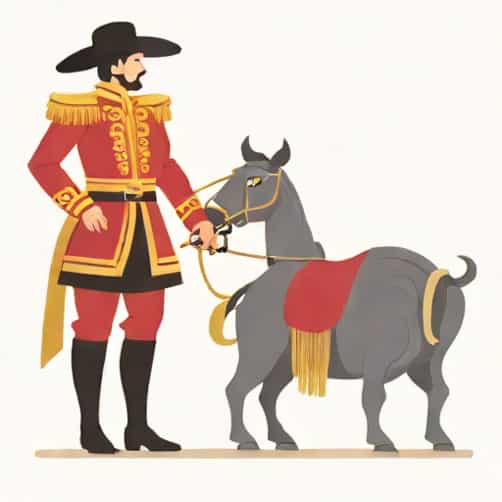
In the colorful and dramatic world of bullfighting, few figures are as captivating as the matador and the toreador. These two terms are often used interchangeably by those unfamiliar with the tradition, yet they carry subtle but meaningful differences. Understanding the distinction between a matador and a toreador provides a deeper insight into the cultural, historical, and linguistic layers of this centuries-old spectacle. Bullfighting is more than a sport; it is an art form rooted in Spanish history, and knowing who plays which role helps preserve the richness of its tradition.
Understanding Bullfighting as a Cultural Tradition
Bullfighting has been part of Spanish and Latin American culture for hundreds of years. Originating from ancient rituals, it evolved into a formalized performance that combines bravery, choreography, and symbolism. Within this spectacle, each participant plays a defined role, from the picadors on horseback to the banderilleros who prepare the bull for the final stage. The central figure, however, remains the matador – the one who faces the bull directly in the arena’s final act.
As the performance unfolds, the audience witnesses a carefully orchestrated dance between man and animal. This dance is both dangerous and poetic, requiring a deep understanding of timing, control, and courage. It is within this structured ritual that the difference between a matador and a toreador becomes most clear.
Definition of Matador
The termmatadorcomes from the Spanish word matar, meaning to kill. Thus, a matador is literally the killer. In bullfighting, the matador is the main performer who engages the bull in the final phase, known as thetercio de muerteor third of death. His role is both the most prestigious and the most perilous. The matador’s objective is to demonstrate control and artistry while ultimately killing the bull with a single, precise sword thrust between the animal’s shoulders.
Being a matador requires years of training and mastery of techniques such as foot placement, cape handling, and timing. Beyond physical skill, a matador must possess charisma and stage presence, as bullfighting is as much a theatrical performance as it is a contest of skill. The audience expects grace, courage, and aesthetic beauty in every move the matador makes.
Definition of Toreador
The wordtoreadorcomes from the Spanish toro, meaning bull. It broadly refers to anyone who takes part in bullfighting, including matadors, banderilleros, and picadors. While the term once appeared commonly in literature and art, particularly outside Spain, it is not used by Spaniards in modern bullfighting contexts. In Spanish, toreador is considered somewhat outdated or poetic, while torero is the correct contemporary term to describe a bullfighter in general.
The confusion betweentoreadorandmatadorbecame popularized through cultural works such as Georges Bizet’s operaCarmen, which featured the famous Toreador Song. This artistic influence helped spread the word toreador into other languages, especially French and English, where it came to symbolize the romantic image of the fearless bullfighter.
Main Differences Between Matador and Toreador
Although both terms relate to bullfighting, their meanings and usage differ in specific ways. The distinctions can be summarized as follows
- Role in the bullfightThe matador is the lead performer who delivers the final blow to the bull. A toreador, in general usage, refers to any bullfighter or participant in the event.
- Language and originMatador is a native Spanish term still widely used today. Toreador, on the other hand, is more literary or artistic, often used outside Spain in romantic or historical contexts.
- Popularity of usageIn Spain and Latin America, people say matador or torero, not toreador. The latter is mostly found in English or French literature.
- Function and prestigeOnly the matador earns the highest honors in a bullfight, such as being awarded the bull’s ear or tail after a successful performance. A toreador may refer to lesser roles and does not necessarily hold this status.
Why the Confusion Exists
The main reason people confuse these two terms is because toreador became widely known through European art and music, not through Spanish bullfighting itself. The romantic image of a toreador in paintings and songs appealed to foreign audiences who viewed bullfighting as an exotic symbol of Spain. Over time, the word entered popular culture and was mistakenly equated with matador.
However, within Spain, aficionados of bullfighting maintain clear distinctions between the two. They recognize the matador as a professional title that must be earned through skill, courage, and ceremony. Becoming a matador is a significant milestone that often marks the peak of a bullfighter’s career.
The Artistry and Symbolism of the Matador
The matador’s role extends far beyond the act of killing the bull. Each movement, from the way he holds the cape to how he steps before the bull, carries symbolic meaning. The red cape, ormuleta, is not meant to provoke the bull with color – bulls are color-blind – but to conceal the sword and create a focal point for the audience’s attention. Every gesture is carefully designed to demonstrate composure and mastery under pressure.
In many ways, the matador represents the human struggle against nature, fear, and mortality. His performance is a test of honor and elegance, where the goal is not merely to win but to achieve aesthetic perfection. The audience responds not only to victory but to bravery, style, and grace under danger.
Modern Usage of the Terms
Today, bullfighting continues to be a controversial and highly debated cultural practice. While it remains legal and popular in parts of Spain, Mexico, and Portugal, it faces criticism from animal rights groups. Despite this, the terminology – particularly the distinction between matador and toreador – remains important for cultural and historical accuracy.
In contemporary discussions, using the correct term matador demonstrates respect for the tradition and its participants. Referring to all bullfighters as toreadors can sound outdated or uninformed to native speakers. Understanding this linguistic nuance helps preserve the authenticity of Spanish culture and prevents misinterpretation.
The difference between matador and toreador may seem minor to casual observers, but it reveals a great deal about the heritage and precision of bullfighting terminology. The matador stands as the central hero of the arena, the one who faces the bull in the final act, embodying courage and artistry. The toreador, in contrast, serves as a broader or poetic term that refers to bullfighters in general, often used more in literature and art than in the actual sport.
By recognizing this distinction, we not only gain linguistic clarity but also a deeper appreciation for the cultural complexity surrounding bullfighting. Whether admired as an art form or questioned as a tradition, the matador’s role continues to capture the imagination of those who seek to understand the intricate dance of danger, beauty, and honor in the Spanish arena.