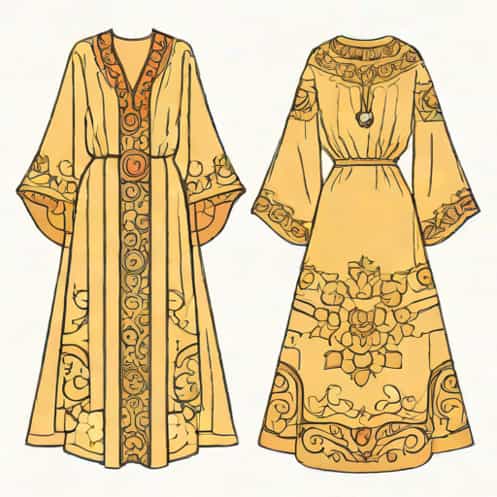
Making a caftan without a pattern is one of the most approachable sewing projects, even for beginners. A caftan is known for its loose shape, flowing fabric, and forgiving fit, which means you do not need complex measurements or professional pattern drafting skills. With a few basic tools, some fabric, and clear steps, you can create a comfortable and stylish caftan at home. This method focuses on simplicity, flexibility, and creativity, allowing you to customize length, width, and neckline according to your preference.
Understanding What a Caftan Is
A caftan is a loose-fitting garment that drapes freely over the body. It is often worn as casual wear, loungewear, beachwear, or even formal attire depending on the fabric and decoration. Traditionally, caftans are rectangular in shape, which makes them ideal for sewing without a pattern.
The absence of structured seams is what makes the caftan perfect for pattern-free sewing.
Choosing the Right Fabric
The first step in making a caftan without a pattern is selecting the right fabric. Lightweight and breathable materials work best, especially for beginners.
Recommended Fabric Types
- Cotton for everyday comfort
- Rayon for a soft, flowing look
- Linen for a relaxed and breathable feel
- Silk or satin for a dressier caftan
Avoid very stiff or heavy fabrics, as they can be harder to sew and may not drape well.
Deciding the Length and Width
One advantage of making a caftan without a pattern is that you can decide the size based on your body and style preference. Caftans are intentionally oversized, so exact measurements are not required.
For length, decide whether you want a knee-length, mid-calf, or full-length caftan. For width, the fabric should be wide enough to allow comfortable movement.
Preparing the Fabric
Lay your fabric flat on a large surface, such as a table or clean floor. Fold it in half lengthwise, with the right sides facing each other. This fold will become the center of the caftan.
Smooth out wrinkles to ensure clean cuts.
Creating the Basic Caftan Shape
Without a pattern, the caftan shape is essentially a large rectangle with openings for the head and arms.
Cutting the Neck Opening
At the folded edge of the fabric, mark the center. This is where the neckline will be. Cut a small curved or straight opening for the head. Start small, as you can always make it larger later.
For a simple look, a round neckline works well. For a more dramatic style, a V-neck is also popular.
Forming the Sleeves
Caftan sleeves are created naturally by the width of the fabric. You do not need separate sleeve pieces. The arm openings are usually cut or sewn along the sides.
Decide how wide you want the sleeves and mark the armhole depth accordingly.
Sewing the Side Seams
With the fabric still folded, sew down both sides, starting from the bottom hem and stopping where you want the arm openings to begin. This step defines the body shape.
Leave enough space for comfortable arm movement.
Finishing the Neckline
The neckline is an important design element. Without a pattern, finishing it neatly adds a professional touch.
Simple Neckline Finishing Options
- Fold and stitch the edge inward
- Add bias tape for durability
- Create a small facing using leftover fabric
Choose the option that matches your skill level and desired look.
Hemming the Caftan
Once the main shape is sewn, hem the bottom edge and sleeve edges. Fold the fabric inward twice and stitch to prevent fraying.
This step improves the overall appearance and durability of the garment.
Trying It On and Adjusting
After basic sewing, try on the caftan. This allows you to check the fit, neckline depth, and sleeve width.
Make small adjustments as needed, such as widening the neckline or shortening the length.
Adding Personal Style
A caftan without a pattern is a blank canvas. You can personalize it in many ways.
Simple Decoration Ideas
- Add a belt or drawstring at the waist
- Use contrasting thread for stitching
- Attach decorative trim along the neckline
- Embroider simple designs
These details can transform a basic caftan into a unique piece.
Common Mistakes to Avoid
One common mistake is cutting the neckline too large at the beginning. Always start small. Another mistake is making the caftan too narrow, which limits movement.
Remember that caftans are meant to be loose and comfortable.
Why Making a Caftan Without a Pattern Works
The rectangular design of a caftan eliminates the need for precise shaping. This makes it ideal for beginners and those who prefer relaxed sewing projects.
The forgiving fit also means minor mistakes are rarely noticeable.
Time and Skill Level
Making a caftan without a pattern can take as little as one to two hours, depending on your experience. It requires basic sewing skills such as straight stitching and simple cutting.
This makes it an excellent project for learning and practice.
Using Hand Sewing vs Machine Sewing
Both hand sewing and machine sewing work for this project. A sewing machine speeds up the process, but hand stitching is perfectly acceptable.
Choose the method that suits your comfort level.
Seasonal Fabric Choices
Light fabrics are ideal for summer caftans, while heavier fabrics can be used for cooler weather. Layering a caftan over other clothing also adds versatility.
This flexibility makes the caftan a year-round garment.
Confidence Through Simplicity
Making a caftan without a pattern builds confidence in sewing because it relies on basic shapes and logic rather than strict instructions.
Each caftan you make improves your understanding of fabric and fit.
Conclusion Through Creative Freedom
Learning how to make a caftan without a pattern is about embracing simplicity and creativity. By choosing the right fabric, cutting a basic shape, and sewing simple seams, you can create a comfortable and stylish garment that fits your lifestyle.
This approach removes the fear of patterns and measurements, making sewing more enjoyable and accessible. With practice, you can experiment with different fabrics, lengths, and details, turning a simple caftan into a personal fashion statement.