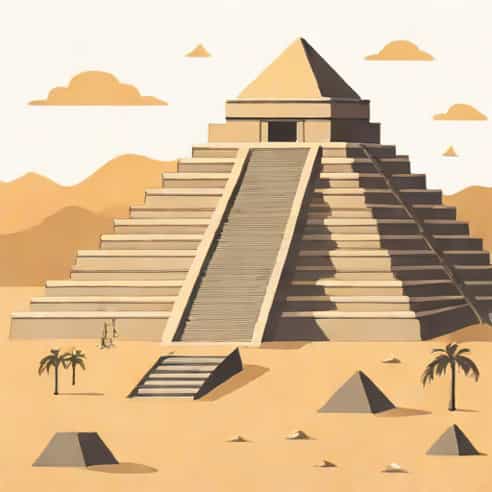
The ancient city of Teotihuacan, located in the Valley of Mexico, is home to some of the most impressive architectural achievements of pre-Columbian Mesoamerica. Among its most iconic structures are the Pyramids of Teotihuacan, which continue to fascinate historians, archaeologists, and tourists alike. These pyramids, including the Pyramid of the Sun and the Pyramid of the Moon, were central to the cultural, religious, and social life of the Teotihuacan civilization. Understanding the history of these pyramids provides insight into the development, beliefs, and sophistication of one of the most influential ancient cities in the Americas.
Origins of Teotihuacan
Teotihuacan was established around 100 BCE, and its peak occurred between 100 CE and 650 CE. The city was a major urban center, with an estimated population of 100,000 or more, making it one of the largest cities in the world at that time. The origins of the city’s inhabitants remain partially mysterious, as they left no written records directly explaining the city’s founding. However, through archaeological evidence, researchers have been able to piece together aspects of daily life, religious practices, and the construction of monumental architecture, particularly the pyramids, which served as focal points of both spiritual and civic life.
The Pyramid of the Sun
The Pyramid of the Sun is the largest structure in Teotihuacan and one of the largest pyramids in the world. Built around 200 CE, this massive pyramid stands approximately 65 meters high and covers an area of over 200,000 square meters at its base. The pyramid is believed to have been dedicated to solar deities, reflecting the importance of celestial observation and sun worship in Teotihuacan culture. Excavations have revealed an intricate network of tunnels beneath the pyramid, which may have been used for ritual purposes or as symbolic passageways connecting the underworld to the surface.
The Pyramid of the Moon
Located at the northern end of the city’s central avenue, known as the Avenue of the Dead, the Pyramid of the Moon is smaller than the Pyramid of the Sun but equally significant. It is closely associated with the ritual and ceremonial practices of the city, particularly human and animal sacrifices meant to honor gods and ensure the fertility of the land. Built over several construction phases, the Pyramid of the Moon also overlooks the Plaza of the Moon, a large ceremonial area that hosted gatherings, religious ceremonies, and possibly political events. This pyramid’s orientation and alignment with other structures demonstrate the Teotihuacan architects’ advanced understanding of astronomy and urban planning.
Religious and Cultural Significance
The pyramids of Teotihuacan were not merely architectural feats; they were deeply embedded in the spiritual life of the city. The Pyramid of the Sun and the Pyramid of the Moon were designed to connect humans with the divine. Religious ceremonies included offerings, sacrifices, and rituals aimed at appeasing gods associated with the sun, moon, rain, and fertility. The orientation of the pyramids along the Avenue of the Dead, which aligns with significant astronomical events, indicates that celestial observation played a critical role in shaping religious and social life.
Artifacts and Murals
Archaeologists have uncovered numerous artifacts and murals within and around the pyramids that shed light on Teotihuacan culture. Murals often depict religious symbolism, mythological scenes, and ceremonial activities, offering insight into the beliefs and daily life of the inhabitants. Artifacts such as pottery, figurines, and ceremonial objects suggest that the city was a hub of religious, economic, and artistic activity. These discoveries have allowed researchers to reconstruct aspects of the social hierarchy and the roles of priests, rulers, and artisans within the society.
Architectural Techniques and Urban Planning
The construction of the pyramids demonstrates the engineering skill of Teotihuacan builders. Large stones and adobe bricks were carefully arranged to create massive structures that have endured for centuries. The city itself was meticulously planned, with the Avenue of the Dead serving as a central axis connecting major pyramids and plazas. Residential complexes, markets, and ceremonial areas were systematically organized, reflecting the advanced urban planning and administrative capabilities of Teotihuacan society.
Alignment and Symbolism
The pyramids’ alignment and orientation were not random. The Avenue of the Dead runs approximately 2.5 kilometers through the city, with the Pyramid of the Moon positioned at its northern end and the Pyramid of the Sun located slightly east of the avenue’s center. This careful placement reflects the importance of astronomical observation, religious symbolism, and social hierarchy. The positioning of temples and pyramids also emphasized the connection between the heavens, earth, and underworld, which was central to Teotihuacan cosmology.
Decline and Legacy
Despite its remarkable achievements, Teotihuacan eventually experienced decline, around the 7th or 8th century CE. The reasons for this decline remain debated, with theories including internal social unrest, resource depletion, climate change, or external invasions. The city was largely abandoned, but its cultural and architectural influence persisted. Later civilizations, such as the Aztecs, revered Teotihuacan as a sacred site and incorporated its pyramids into their own cultural and religious narratives. The pyramids continued to be a source of inspiration and pilgrimage for centuries, cementing their place in Mesoamerican history.
Modern Discovery and Preservation
Modern archaeology has played a key role in uncovering the secrets of Teotihuacan. Excavations, preservation efforts, and research projects have revealed much about the construction techniques, religious practices, and social organization of the ancient city. Today, the pyramids of Teotihuacan are recognized as a UNESCO World Heritage Site, attracting millions of visitors annually. Preservation efforts aim to protect these ancient structures from environmental damage and human interference, ensuring that future generations can continue to study and appreciate this remarkable civilization.
Tourism and Education
Visiting the pyramids of Teotihuacan provides a tangible connection to the past. Tourists can climb the Pyramid of the Sun and Pyramid of the Moon to experience the scale and grandeur of these structures firsthand. Educational programs and guided tours help visitors understand the historical, cultural, and spiritual significance of the site. By promoting awareness and appreciation of Teotihuacan’s history, tourism contributes to the preservation of the site and supports ongoing archaeological research.
Impact on Mexican Culture
The pyramids of Teotihuacan continue to hold cultural significance in modern Mexico. They serve as a symbol of the country’s rich pre-Columbian heritage and are featured in educational materials, cultural festivals, and national narratives. The site’s influence extends to art, literature, and contemporary architecture, demonstrating the lasting impact of Teotihuacan’s civilization on Mexican identity and heritage.
The Pyramids of Teotihuacan stand as enduring monuments to the ingenuity, religious devotion, and cultural sophistication of an ancient civilization. From the massive Pyramid of the Sun to the ceremonial Pyramid of the Moon, these structures reveal the Teotihuacan people’s advanced understanding of architecture, astronomy, and urban planning. Their historical significance, combined with ongoing archaeological research, provides a window into the social, religious, and economic life of one of the most influential cities in Mesoamerican history. Today, the pyramids continue to inspire awe and respect, connecting modern audiences to a civilization that shaped the cultural landscape of the Americas for centuries.