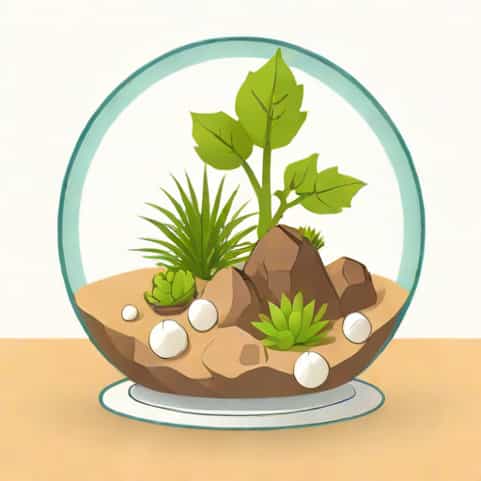
Creating a terrarium that is both visually appealing and functional often requires careful planning and the use of appropriate materials. One important material for constructing realistic terrarium backgrounds and structures is expanding foam, or mousse expansive. This versatile product allows hobbyists and designers to craft detailed landscapes, caves, and other decorative elements that mimic natural environments. Choosing the right type of expanding foam for your terrarium ensures safety for plants and animals, durability of the structures, and ease of application, making it a key component in building high-quality, immersive habitats.
Understanding Expanding Foam for Terrariums
Expanding foam is a polyurethane-based material that comes in aerosol cans or spray containers. When applied, it expands and hardens, forming a solid structure that can be carved, sanded, and painted to achieve the desired look. In terrariums, expanding foam is commonly used to create rock formations, cliffs, hollow logs, or elevated platforms. The foam is lightweight, which prevents excessive weight inside glass enclosures, and it can be coated with substrates such as epoxy, silicone, or plaster to increase durability and water resistance.
Types of Expanding Foam
Not all expanding foams are suitable for terrarium use. Selecting the appropriate type is crucial for safety and effectiveness
- Standard Expanding FoamThis foam is readily available at hardware stores. It expands significantly but may contain chemicals that are harmful to plants or animals if not fully cured. It’s generally used for dry terrarium setups where direct contact with living creatures is minimal.
- Low-Expansion FoamThis type expands less than standard foam, providing more control for precise sculpting. Low-expansion foam is ideal for intricate designs and smaller terrariums where space is limited.
- Safe or Non-Toxic FoamSome manufacturers offer foams labeled as non-toxic or safe for pets and plants. These are recommended for terrariums that house reptiles, amphibians, or live plants, as they reduce the risk of harmful off-gassing or chemical exposure.
Preparation and Application
Before applying expanding foam, it is important to prepare the terrarium and the area to ensure a smooth process and effective adhesion. Begin by cleaning the glass and ensuring all surfaces are dry. Protective gloves and a mask are recommended to avoid skin contact and inhalation of fumes. You can use cardboard, plastic, or painter’s tape to cover areas that should not be exposed to foam.
When applying the foam, start with a small amount, as it expands rapidly. Layering the foam in thin applications allows for better control and reduces the risk of overexpansion. Once the foam has cured, it can be trimmed and shaped using a craft knife, saw, or sandpaper. Carving details such as crevices, caves, and ledges enhances realism and provides functional spaces for terrarium inhabitants.
Finishing Techniques
After shaping the foam, additional steps can be taken to improve durability and aesthetics. Coating the foam with a sealant, plaster, or epoxy resin ensures that it is waterproof and resistant to humidity, which is especially important in tropical or vivarium setups. Painting the foam with acrylic paints or using natural substrates like coconut fiber, moss, and stones helps blend the foam with the environment and create a realistic landscape.
Safety Considerations
Using expanding foam in terrariums requires careful attention to safety. Ensure the foam is fully cured before introducing plants or animals. Incomplete curing can release harmful chemicals that may affect living organisms. Always use foams labeled as safe for pets when constructing habitats for reptiles, amphibians, or other sensitive species. Proper ventilation during application reduces inhalation risks, and wearing gloves protects the skin from sticky residues.
Advantages of Using Expanding Foam
Expanding foam offers several benefits that make it an ideal material for terrarium construction
- LightweightThe foam adds structure without significantly increasing the weight of the terrarium.
- CustomizableFoam can be shaped, carved, and painted to achieve highly realistic environments.
- DurableOnce sealed, foam withstands humidity and can last for years without deteriorating.
- Cost-EffectiveCompared to natural rocks or other heavy materials, expanding foam is economical and easy to work with.
- VersatileFoam can be used for both decorative and functional elements, including climbing structures for reptiles or hiding spots for amphibians.
Common Mistakes to Avoid
While expanding foam is highly versatile, some common mistakes can affect the final result. Applying too much foam at once can lead to uncontrolled expansion, cracking, or uneven surfaces. Not allowing sufficient curing time before painting or sealing can trap chemicals inside, affecting the safety of the habitat. Additionally, using non-pet-safe foam in vivariums can pose serious risks to inhabitants. Careful planning, controlled application, and adherence to safety guidelines are essential for achieving the best results.
Choosing the right expanding foam for a terrarium is a key factor in creating a safe, durable, and visually appealing habitat. Understanding the types of foam, proper application techniques, finishing methods, and safety considerations ensures a successful project. Low-expansion and non-toxic foams are especially suitable for live terrariums, allowing hobbyists to craft realistic landscapes while protecting plants and animals. Expanding foam remains a favorite material for terrarium enthusiasts, offering endless possibilities for creativity and functionality. By using this versatile product wisely, you can design stunning terrariums that are both beautiful and practical, providing a perfect home for your miniature ecosystems.