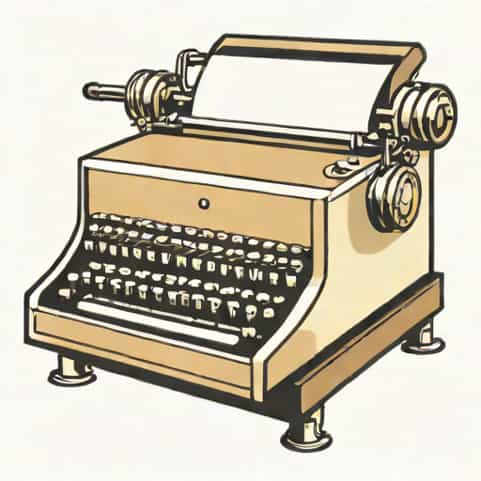
Before modern computers existed, managing large-scale data was a challenge that demanded innovation, creativity, and precise engineering. One of the earliest breakthroughs came from the Hollerith census machine, a device that transformed the way population information was collected and processed. This invention introduced concepts like data encoding, mechanical sorting, and automated tabulation, making it a landmark achievement in the history of information technology. Understanding how the machine worked and why it mattered provides valuable insight into the evolution of computing and the roots of modern data processing.
The Origins of the Hollerith Census Machine
The Hollerith census machine was created in response to the overwhelming task of counting and organizing census data. As populations grew, traditional methods became slower and more prone to errors. Herman Hollerith recognized the need for a faster and more efficient way to process information. His solution was a system that used punched cards to store data and electromechanical devices to read and tabulate it. This idea marked a significant shift from manual recordkeeping to automated processing.
The Problem Before Its Invention
Before Hollerith introduced his system, census workers wrote data on paper and manually sorted it. This process required immense labor and months of effort. In the U.S. Census of 1880, for example, tabulating the results took almost a decade. Such delays meant census data was outdated by the time it was published, limiting its usefulness for planning and policymaking.
- Slow manual counting methods
- High risk of transcription errors
- Difficulty in sorting large sets of information
- Growing population increasing workload
These challenges motivated the development of a more efficient system.
The Basic Components of the Machine
The Hollerith census machine worked by combining several key components that processed data systematically. Each piece played a role in transforming raw information into organized results.
Punched Cards as Data Storage
Punched cards were central to the system. Each card had rows and columns representing specific information such as age, gender, birthplace, or occupation. Instead of writing details by hand, census workers punched holes into designated positions on the card. These holes acted as encoded data that the machine could interpret.
The idea of using holes to represent information became the foundation for later computing systems, where punched cards were commonly used until the mid-20th century.
The Tabulating Machine
The tabulator was the mechanical brain of the system. It used electrical contacts that would drop through the holes in the card and complete a circuit. Each completed circuit triggered a counter, recording the attribute associated with that position.
This allowed large amounts of data to be processed quickly, significantly reducing the time required to count census information.
The Sorting Machine
Another important component was the sorter. After reading the cards, the machine could separate them into different categories based on the holes punched. This allowed census workers to group information by demographic characteristics and produce detailed reports.
- Sorting by age groups
- Sorting by birthplace
- Sorting by occupation
- Sorting by sex or marital status
This function made analysis more organized and accurate.
How the Machine Worked in Practice
Using the Hollerith census machine followed a structured workflow that blended human preparation with mechanical processing. The process demonstrated early principles of automation that influenced future computing designs.
Encoding the Data
First, census workers turned handwritten details into punched cards using a device known as a keypunch. Each hole represented a specific data point. For example, a hole in a particular column could indicate gender, while another might represent nationality.
Reading and Counting
Once the cards were punched, they were fed into the tabulator. Metal pins passed through the holes into mercury cups or electrical contacts. Whenever a pin completed a circuit, the corresponding counter increased by one. This process was fast and consistent, reducing human error.
Sorting for Analysis
After counting, cards were sorted into compartments. This step made it easier to analyze subsets of data and produce organized statistical reports. The combination of counting and sorting created a comprehensive system that allowed for flexible data handling.
The Machine’s Impact on the Census
The introduction of the Hollerith census machine transformed the way population statistics were handled. It dramatically reduced the time required to process information and improved accuracy.
Time Savings
For the 1890 census, the machine processed results in a fraction of the time previously required. What once took years could now be accomplished in months. This improvement allowed governments to use updated population information sooner for planning and policymaking.
More Detailed Data
Because the machine allowed complex sorting, analysts could generate more detailed demographic reports. This enhanced understanding of population shifts, economic conditions, and social trends.
Increased Efficiency
The system required fewer workers and less manual labor. It marked the beginning of a new era in administrative efficiency and established the value of mechanical data processing.
The Broader Influence of the Hollerith Machine
The importance of the Hollerith census machine extended far beyond its role in population statistics. It introduced concepts that shaped early computing and contributed to the development of major technological advancements.
Beginning of Modern Data Processing
The machine set the foundation for using mechanical systems to handle information. Hollerith’s innovations inspired the design of early computers and influenced how organizations processed data for decades.
The Birth of a Major Technology Company
Hollerith later founded a company to manufacture and sell his machines. This business eventually became part of a larger corporation known for its contributions to computing technology. The legacy of the Hollerith system can be seen in the evolution of data-processing equipment that followed.
Standardization of Data Encoding
Punched cards became the standard for representing information in early computing. They were used in industries ranging from banking to scientific research. This standardized format helped accelerate the adoption of automated data processing across many fields.
Why the Hollerith Census Machine Still Matters
The machine remains relevant as a historical milestone because it demonstrates how mechanical innovation laid the groundwork for digital technology. It is a reminder of the creativity required to solve large-scale data challenges before the digital era.
Lessons From Early Innovation
- Creative thinking can solve complex problems
- Automation improves accuracy and efficiency
- Small innovations can lead to transformative change
- Technology evolves through experimentation and adaptation
These lessons continue to influence modern engineering and computer science.
An Important Step in Computing History
The principles behind the Hollerith census machine encoding, sorting, and processing data are still fundamental to computing today. While modern systems are digital rather than mechanical, the underlying concepts remain familiar.
The Hollerith census machine was more than just a tool for counting population data. It represented a turning point in the way society handled information, introducing the world to automated data processing. By reducing errors, increasing speed, and enabling detailed analysis, the machine laid the groundwork for future computer systems. Its legacy continues to influence technology, making it an essential chapter in the story of computing and a remarkable achievement in the evolution of data management.