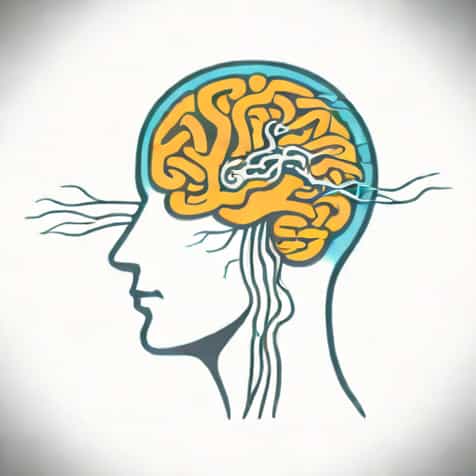
The vagus nerve, also known as cranial nerve X, is one of the most important nerves in the human body. It is a mixed nerve, containing both motor and sensory fibers, and it plays a crucial role in parasympathetic control of the heart, lungs, and digestive tract. Because of its extensive distribution, the vagus nerve is often associated with a wide range of physiological functions, from regulating heart rate to influencing digestion and even modulating certain aspects of mood and stress response. However, despite its broad innervation, there are certain areas and organs that the vagus nerve does not innervate. Understanding the limits of vagus nerve innervation is essential for students of anatomy, medical professionals, and anyone interested in human physiology.
Overview of Vagus Nerve Function
The vagus nerve emerges from the medulla oblongata in the brainstem and extends down through the neck and thorax into the abdomen. It carries sensory information from the internal organs to the brain and motor commands from the brain to various muscles and glands. Some of its key functions include controlling the muscles of the larynx and pharynx, regulating heart rate and blood pressure, and stimulating digestive organs such as the stomach and intestines. Due to these widespread roles, it is often referred to as the wanderer nerve, reflecting its long and complex course throughout the body.
Areas Innervated by the Vagus Nerve
The vagus nerve provides both sensory and motor innervation to several critical structures
- HeartParasympathetic fibers slow heart rate and modulate cardiac output.
- LungsVagus fibers control bronchoconstriction and relay sensory information from the airways.
- Digestive TractIt stimulates peristalsis and glandular secretions from the esophagus down to parts of the colon.
- Larynx and PharynxMotor fibers control voice production and swallowing.
- Gastrointestinal OrgansIncludes the stomach, small intestine, and parts of the large intestine, aiding in digestion.
These areas highlight the vagus nerve’s essential parasympathetic functions, demonstrating how it maintains homeostasis and supports involuntary bodily processes. However, it is important to recognize what it does not innervate, which clarifies its anatomical limitations and prevents common misconceptions.
Structures Not Innervated by the Vagus Nerve
Despite its extensive distribution, the vagus nerve does not innervate all organs or structures in the body. Certain areas rely on other cranial nerves, spinal nerves, or the sympathetic nervous system for control. Understanding these exceptions is vital for accurate anatomical knowledge and clinical practice. Here are some of the key structures that the vagus nerve does not innervate
Upper Limbs
The muscles, skin, and joints of the arms and hands receive innervation from the brachial plexus, not the vagus nerve. Sensory and motor signals in the upper limbs are carried by spinal nerves originating from the cervical and thoracic segments of the spinal cord. This means that actions such as moving the fingers or feeling touch in the hands do not involve the vagus nerve.
Lower Limbs
Similarly, the legs and feet are innervated by spinal nerves from the lumbar and sacral regions, primarily through the lumbosacral plexus. The vagus nerve has no role in walking, running, or controlling the muscles of the legs. Sensory input from the skin and motor output to the muscles of the lower limbs bypass the vagus entirely.
Skin and Skeletal Muscles of the Body Wall
The vagus nerve does not innervate the majority of skeletal muscles responsible for voluntary movement of the torso, back, or limbs. These muscles receive motor input from somatic nerves arising from the spinal cord. Likewise, sensory information from the skin, including touch, temperature, and pain signals from most regions of the body, is transmitted via spinal nerves, not the vagus.
Most of the Sympathetic Organs
The sympathetic nervous system, part of the autonomic nervous system alongside the parasympathetic system, regulates the fight or flight responses. Many organs that require sympathetic input, such as the adrenal glands, sweat glands, and peripheral blood vessels, are not innervated by the vagus nerve. While the vagus modulates parasympathetic activity in the heart and digestive system, it does not directly control sympathetic responses in these organs.
The Kidneys and Bladder
The kidneys and urinary bladder are primarily influenced by sympathetic and pelvic nerves rather than the vagus. Although the vagus nerve contributes to gastrointestinal regulation, it does not provide motor or sensory fibers to these urinary organs. Instead, autonomic control is mediated by sacral spinal nerves, which coordinate urinary function and reflexes.
Clinical Implications
Knowing which organs are and are not innervated by the vagus nerve has important implications for medical practice. Damage to the vagus nerve can lead to problems with voice production, swallowing, digestion, or heart rate control, but it will not directly affect voluntary movement in the limbs or skin sensation. Conversely, issues in the spinal nerves may impair limb movement or sensation without affecting parasympathetic functions. This distinction helps clinicians diagnose neurological injuries and plan appropriate treatments or interventions.
Examples of Vagus Nerve Dysfunction
- Hoarseness or difficulty speaking due to impaired laryngeal muscles.
- Difficulty swallowing resulting from pharyngeal muscle weakness.
- Altered heart rate or digestive disturbances caused by impaired parasympathetic control.
- Absence of effects on limb movement or skin sensation, confirming that these areas are not innervated by the vagus.
Importance in Physiology and Research
The vagus nerve is not only vital for daily bodily functions but also a key focus in medical research. Vagus nerve stimulation (VNS) has become a therapeutic tool for conditions such as epilepsy, depression, and certain inflammatory disorders. Understanding the precise areas it does and does not innervate ensures that treatments are targeted accurately and side effects are minimized. Research also explores how the vagus interacts with other parts of the autonomic nervous system, further emphasizing the importance of knowing its anatomical limitations.
Summary of Innervation and Non-Innervation
- Innervates Heart, lungs, gastrointestinal organs, larynx, pharynx, parts of the colon.
- Does not innervate Upper and lower limbs, skin and skeletal muscles of the body wall, kidneys, bladder, most sympathetic organs.
The vagus nerve is a crucial component of the parasympathetic nervous system, influencing a wide range of involuntary bodily functions including digestion, heart rate, and respiratory regulation. However, it does not innervate the limbs, most skeletal muscles, the skin, or many organs controlled by the sympathetic system. Recognizing both the extensive capabilities and the limitations of the vagus nerve is essential for understanding human physiology, diagnosing neurological conditions, and developing targeted medical therapies. By studying both what the vagus nerve innervates and what it does not, medical professionals and students gain a comprehensive understanding of this wanderer nerve and its critical role in maintaining health and homeostasis.