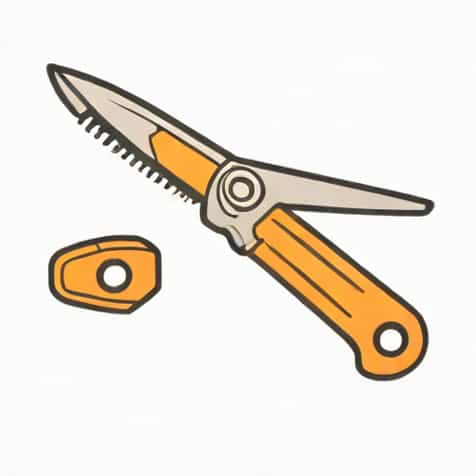
Keeping garden tools in optimal condition is essential for efficient and safe gardening, and secateurs are no exception. Secateurs, or pruning shears, are used for cutting stems, branches, and flowers, and over time, their blades can become dull, making tasks more difficult and potentially damaging plants. One of the most effective ways to maintain a sharp edge is by using a whetstone. A whetstone allows gardeners to carefully and precisely sharpen secateurs, restoring their cutting ability and prolonging the tool’s lifespan. Understanding the process, choosing the right whetstone, and following proper sharpening techniques can make a significant difference in garden maintenance.
Why Sharpening Secateurs Matters
Using dull secateurs can cause uneven cuts, crush plant stems, and lead to stress or damage in plants. Sharp secateurs ensure clean cuts, promoting faster healing and reducing the risk of disease. Additionally, maintaining sharp tools reduces the effort needed for pruning and minimizes the risk of injury from forcing a dull blade through tough branches. Regular sharpening also prevents corrosion and extends the overall life of the secateurs.
Choosing the Right Whetstone
Not all whetstones are the same, and selecting the correct one is crucial for effectively sharpening secateurs
1. Grit Size
Whetstones come in various grit sizes, typically ranging from coarse to fine. Coarse stones (around 200-600 grit) are ideal for repairing damaged or very dull blades, while medium stones (800-1000 grit) are suitable for regular sharpening. Fine stones (3000 grit and above) are used for polishing the edge and achieving a razor-sharp finish.
2. Water or Oil Stone
Whetstones can be used with water or oil as a lubricant to prevent metal ptopics from clogging the stone. Water stones are easier to clean and maintain, making them a popular choice for garden tools. Oil stones require a thin layer of mineral oil and tend to last longer, though they may be slightly less convenient for home use.
3. Size and Shape
Select a whetstone that provides enough surface area to accommodate the entire blade of the secateurs. Flat rectangular stones are common and versatile, allowing even sharpening along the edge. Some whetstones are double-sided with coarse and fine grits, offering a complete sharpening solution in one tool.
Preparing Secateurs for Sharpening
Before using a whetstone, proper preparation is essential for safety and effective results
- Clean the BladesRemove dirt, sap, and rust using a damp cloth, mild soap, or steel wool. Clean blades ensure even sharpening and prevent contamination of the whetstone.
- Disassemble if PossibleMany secateurs can be partially disassembled by removing the central bolt. This allows easier access to the cutting edge and ensures thorough sharpening.
- Secure the SecateursHold the tool firmly or place it in a vice if available to maintain control and prevent slipping during sharpening.
Sharpening Technique Using a Whetstone
Following a consistent technique is vital to achieve a sharp, durable edge
1. Lubricate the Whetstone
If using a water stone, soak it in water for a few minutes before starting. For oil stones, apply a thin layer of mineral oil. Lubrication reduces friction and prevents metal ptopics from clogging the stone.
2. Determine the Bevel Angle
Secateurs typically have a bevel angle of 20 to 30 degrees. Maintaining the correct angle throughout sharpening ensures a consistent edge and prevents uneven cuts.
3. Sharpening Motion
Using moderate pressure, move the blade along the whetstone in a sweeping motion, following the natural curve of the cutting edge. Ensure the entire length of the blade comes into contact with the stone. Repeat the motion evenly across the edge, usually 5-10 strokes per side, depending on the dullness of the blade.
4. Alternate Sides
Sharpen both sides of the blade evenly. This maintains balance and prevents creating a biased edge that can lead to uneven cuts or increased wear.
5. Test the Sharpness
After sharpening, carefully check the blade by slicing a piece of paper or a thin stem. The edge should cut cleanly without tearing. If the blade is still dull, repeat the process, focusing on areas that need more attention.
Finishing and Maintenance
After sharpening, proper finishing helps protect the blade and extend its sharpness
- Polish the EdgeUse a fine grit stone or a leather strop to remove any burrs and create a smooth, polished edge.
- Clean and LubricateWipe the blade clean and apply a thin layer of light oil to prevent rust and corrosion.
- ReassembleIf the secateurs were disassembled, reassemble the parts carefully and ensure proper alignment.
- Store ProperlyStore secateurs in a dry location and consider using a blade cover for added protection.
Tips for Long-Lasting Sharpness
To keep secateurs performing at their best, consider the following tips
- Regularly sharpen blades after extended use, rather than waiting until they become very dull.
- Clean secateurs after each use to prevent sap build-up and corrosion.
- Use the correct cutting technique and avoid cutting materials that are too hard for the tool.
- Periodically check screws and bolts to ensure blades remain aligned and tension is correct.
Using a whetstone to sharpen secateurs is an effective way to maintain the cutting performance and longevity of this essential gardening tool. By selecting the right whetstone, preparing the blades, and following proper sharpening techniques, gardeners can achieve clean, precise cuts while minimizing effort and damage to plants. Regular maintenance, including cleaning, lubrication, and proper storage, further enhances the lifespan of secateurs. Mastering the art of whetstone sharpening not only improves the efficiency of gardening tasks but also promotes safety and ensures that secateurs remain a reliable companion for years to come.