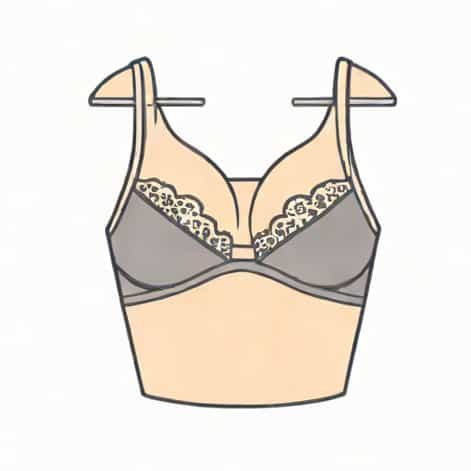
The word brassiere is familiar to millions of people around the world, yet few stop to wonder where it actually came from or how it became part of everyday language. Often shortened to bra, the term carries a long linguistic and cultural history tied to fashion, language evolution, and changing ideas about women’s clothing. Tracing the origin of the word brassiere reveals connections to French language roots, earlier garment traditions, and social shifts that influenced how undergarments were designed and described. The story behind the word is as layered as the garment itself.
The French Roots of the Word Brassiere
The word brassiere comes directly from the French language. In French, brassière originally referred to a type of garment worn on the upper body. The term itself is derived from bras, the French word for arm.
Historically, a brassière was not initially associated with women’s underwear. Instead, it described a sleeveless upper garment or vest that covered the torso and was often worn by children or soldiers. The idea was something that wrapped around the arms and chest.
Early Meanings Before Modern Lingerie
Before the modern bra existed, the word brassiere had a much broader meaning. In medieval and early modern France, a brassière could refer to an armored piece worn on the arms or chest, sometimes linked to protective clothing.
Over time, the meaning shifted away from armor and outerwear and began to describe garments worn closer to the body. This shift reflects how language adapts as clothing styles and social norms evolve.
How Brassiere Entered the English Language
The word brassiere entered the English language in the early 20th century. English speakers borrowed the French term as new types of women’s undergarments became popular.
At the time, women were moving away from restrictive corsets and toward more flexible, supportive garments. The French-sounding word brassiere carried a sense of sophistication and modernity, making it appealing in fashion marketing.
The First English Uses
The earliest recorded uses of the word brassiere in English date back to the early 1900s. Fashion magazines and clothing advertisements began using the term to describe a new kind of undergarment designed to support the bust without rigid boning.
This marked a key moment when the word brassiere became closely tied to women’s lingerie.
The Evolution of the Garment Itself
The changing meaning of the word brassiere cannot be separated from the evolution of the garment. As women sought more comfort and mobility, clothing designers experimented with alternatives to corsets.
These early brassieres were simpler, lighter, and more practical, aligning with changing roles for women in society, especially during and after World War I.
Why the Name Brassiere Was Chosen
The choice of the word brassiere was not accidental. Because it came from French, the term sounded refined and fashionable. French fashion had long been associated with elegance, making the word attractive for commercial use.
Additionally, the connection to bras subtly referenced the upper body without being explicit, which suited the modest sensibilities of the time.
Shortening to Bra
As with many long words, brassiere was eventually shortened. The abbreviation bra emerged in everyday speech and writing as a quicker, more casual alternative.
By the mid-20th century, bra became the dominant term in spoken English, while brassiere remained more formal or descriptive.
Language Simplification Over Time
This shortening reflects a common pattern in language evolution. As objects become more familiar, their names often become shorter and easier to say.
While brassiere remains correct, bra is now universally understood and widely used.
Differences in Usage Across Cultures
In some English-speaking regions, the word brassiere is rarely used outside of formal writing or product descriptions. In others, it still appears in certain contexts, especially in fashion or historical discussions.
Meanwhile, the French word brassière continues to exist, though in modern French it can also refer to different types of garments, including baby clothing or sports tops.
The Role of Fashion Marketing
Fashion marketing played a significant role in popularizing the word brassiere. Early advertisements emphasized comfort, health, and modern design.
Using a French-derived term helped distinguish the new garment from older, more restrictive underclothing. It suggested innovation and elegance at the same time.
How Social Change Influenced the Word
The rise of the brassiere coincided with broader social changes, including women’s increased participation in work, sports, and public life. Clothing needed to adapt, and so did the language describing it.
The word brassiere became associated with independence, practicality, and a break from tradition.
Common Misconceptions About the Word
Many people assume that brassiere has something to do with brass metal. This is a misunderstanding based on the similarity of sound, not meaning.
In reality, the word has no connection to metal at all. Its roots lie entirely in the French word for arm.
Related Words and Linguistic Connections
The word brassiere is related to other French-derived terms that entered English through fashion and culture.
-
Bodice, referring to the upper part of a dress
-
Corset, another historical undergarment
-
Lingerie, a broader category of intimate apparel
These words reflect how clothing vocabulary often crosses borders.
Why the Word Still Matters Today
Understanding where the word brassiere comes from provides insight into how language reflects social values. The shift from corsets to bras mirrors changes in attitudes toward comfort, health, and gender roles.
The word carries traces of these historical transformations, even if most people now use the shorter form.
Modern Usage of Brassiere
Today, brassiere appears most often in formal writing, product labels, or historical discussions. It adds a slightly traditional or technical tone compared to the everyday word bra.
Despite this, both terms refer to the same essential garment.
The Enduring Influence of French Fashion
The survival of the word brassiere in English highlights the lasting influence of French fashion on global clothing terminology.
Even as styles change, the language used to describe them often preserves their origins.
The word brassiere comes from the French language, rooted in the word bras, meaning arm. Its meaning evolved over centuries, shifting from general upper-body garments to the specific undergarment known today. Adopted into English in the early 20th century, brassiere reflected changing fashion trends and social attitudes. Though commonly shortened to bra, the original word remains a fascinating example of how language, culture, and clothing history are closely connected. Understanding where the word brassiere came from adds depth to a term that is often taken for granted.