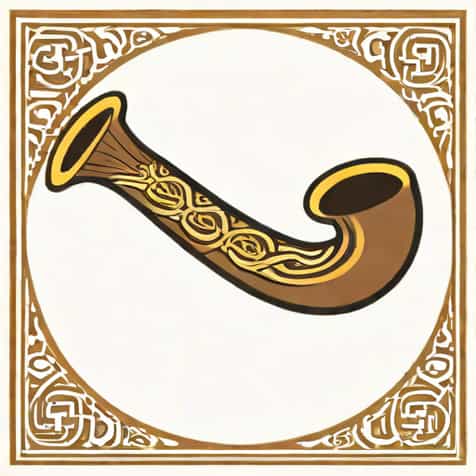
The Yemenite shofar is a unique and deeply symbolic instrument that has been part of Jewish tradition for centuries. Unlike the more commonly known ram’s horn shofar, the Yemenite shofar is usually crafted from the horn of the kudu, a large antelope native to Africa. Its long, spiraled shape and deep resonant sound set it apart from other types of shofarot. For many people, it is not only a ritual object but also a piece of history, carrying with it stories of faith, resilience, and spiritual connection. To fully understand what a Yemenite shofar is, it helps to explore its origins, materials, uses, and the significance it holds in Jewish culture and beyond.
Origins of the Yemenite Shofar
The Yemenite shofar traces its history to Jewish communities in Yemen, who developed their own distinctive style of shofar-making. Unlike Jewish groups in Europe and the Middle East who traditionally used ram’s horns, the Jews of Yemen crafted their shofars from the horn of the greater kudu, a species found in East Africa. Trade routes across the Red Sea allowed these horns to reach Yemen, where artisans skillfully shaped them into ritual instruments. The result was a shofar that looked and sounded very different from its counterparts in other Jewish communities.
Materials and Craftsmanship
The horn of the kudu is naturally long and spiraled, making the Yemenite shofar visually striking. These horns can grow several feet in length, giving the instrument a majestic appearance when held or blown. The crafting process typically involves heating and softening the horn so that it can be shaped, hollowed, and polished. Skilled shofar makers ensure the inside is smooth enough for air to flow properly, while the exterior retains much of its natural texture and spiral pattern. This careful balance of tradition and artistry makes each Yemenite shofar unique.
Sound of the Yemenite Shofar
One of the most distinctive features of the Yemenite shofar is its sound. The longer body and wide opening create a deep, resonant tone that can carry over long distances. Depending on the blower’s skill and the shofar’s size, the sound can range from sharp and piercing to warm and full-bodied. This variety of tones makes it especially powerful during ceremonies, as it captures attention and stirs emotion in those who hear it.
Ritual and Religious Significance
In Jewish tradition, the shofar is most closely associated with Rosh Hashanah, the Jewish New Year, and Yom Kippur, the Day of Atonement. Blowing the shofar serves as a call to reflection, repentance, and spiritual renewal. The Yemenite shofar, with its distinctive look and sound, has become a popular choice for these observances. Its presence in synagogues and ceremonies emphasizes continuity with tradition while also highlighting the diversity of Jewish heritage.
Symbolism of the Yemenite Shofar
Beyond its ritual use, the Yemenite shofar carries layers of symbolism. Its spiral shape is often seen as a metaphor for spiritual growth, representing the twists and turns of life’s journey toward faith. The act of blowing the shofar is thought to awaken the soul, urging people to turn inward and reflect on their actions. The deep sound, which cuts through silence, symbolizes both a cry from the heart and a call from the divine. Together, these elements make the Yemenite shofar more than an instrument-it becomes a spiritual tool.
Comparing Yemenite and Ram’s Horn Shofars
Although both types of shofars serve the same ritual purpose, they differ in several ways
- MaterialRam’s horn is small and curved, while the Yemenite shofar uses kudu horn, which is longer and spiraled.
- AppearanceRam’s horn shofars are more compact and simple, while Yemenite shofars are grand and visually striking.
- SoundThe ram’s horn produces a sharper, higher-pitched tone, while the Yemenite shofar produces deeper, resonant notes.
- Cultural backgroundRam’s horn shofars are common in European and Middle Eastern traditions, while Yemenite shofars come from Jewish communities in Yemen.
These differences highlight how Jewish traditions adapt to local environments and resources, creating diverse expressions of the same ancient practice.
Use in Modern Times
Today, the Yemenite shofar is cherished not only in Jewish communities but also among collectors, musicians, and those interested in spiritual practices. It is often displayed as a piece of art because of its natural beauty. Some musicians experiment with its sound, incorporating it into contemporary compositions or blending it with other instruments. In synagogues around the world, the Yemenite shofar is blown alongside or in place of ram’s horn shofars, offering a sound that connects modern audiences to ancient traditions.
Learning to Blow a Yemenite Shofar
Blowing a Yemenite shofar is not as simple as it may appear. It requires practice, control, and patience. Beginners often struggle to produce a clear tone, as the airflow and lip placement must be just right. The larger size of the Yemenite shofar adds to the challenge, but with persistence, players can master different notes and sequences. Religious practice typically calls for specific blasts-known as tekiah, shevarim, and teruah-that must be played in precise order. These blasts carry symbolic meaning, representing both cries of the soul and calls for renewal.
Symbol of Identity and Heritage
For many Jewish people, owning and using a Yemenite shofar is not just about ritual but also about identity. It represents a connection to Jewish history and the unique traditions of Yemenite Jews. Even those outside this specific heritage often choose Yemenite shofars because they symbolize strength, beauty, and spiritual depth. As Jewish communities continue to embrace their diverse cultural backgrounds, the Yemenite shofar stands as a proud reminder of how traditions evolve while still remaining true to their roots.
Educational and Inspirational Value
In schools, synagogues, and community centers, the Yemenite shofar is often used as a teaching tool. It helps younger generations understand not just the technical aspects of Jewish ritual, but also the broader themes of memory, reflection, and spiritual awakening. Its impressive size and sound make it especially effective in sparking curiosity and awe. Teachers and leaders often emphasize that the Yemenite shofar’s message is timeless to pause, listen, and consider the path of one’s life.
The Yemenite shofar is more than a ritual instrument; it is a living symbol of tradition, artistry, and spiritual expression. From its origins in the Jewish communities of Yemen to its modern presence in synagogues and homes around the world, it continues to inspire awe and reverence. Its majestic appearance, resonant sound, and deep symbolism make it a cherished part of Jewish culture and an object of fascination for anyone interested in history, spirituality, or art. In every blast of the Yemenite shofar, one can hear not only a call to reflection but also an echo of centuries of faith and resilience, reminding us of the enduring power of tradition in shaping identity and meaning.