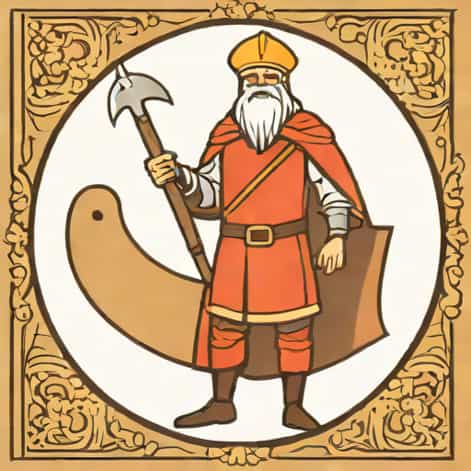
During the Middle Ages, the social structure of Europe was highly hierarchical, and the role of the medieval serf was central to the functioning of feudal society. Serfs were agricultural laborers who lived on and worked the land owned by a lord, often bound by legal and economic obligations that restricted their freedom. Unlike slaves, serfs were not considered property, but they were not fully free either, as they owed labor, rents, and services to their lords. Understanding who the medieval serf was provides valuable insight into the daily life, social dynamics, and economic structures of medieval Europe, revealing both the challenges and resilience of these individuals.
Origins and Historical Context
The institution of serfdom developed in Europe during the early Middle Ages, around the 9th and 10th centuries, as a response to the need for agricultural labor following the decline of centralized Roman authority. With the fall of the Roman Empire, local lords and landowners needed a reliable workforce to maintain their estates and ensure food production. Serfdom became a way to stabilize rural populations and create a predictable system of labor obligations. Serfs were typically peasants who had limited mobility and were legally tied to the land they cultivated.
The Feudal System
Serfs existed within the broader framework of feudalism, a hierarchical system that structured medieval society. At the top were kings and nobles, who owned large estates and controlled military and political power. Below them were knights, who offered military service in exchange for land or protection. Serfs occupied the lowest rung of this hierarchy, working the land to produce food and goods that supported the entire feudal system. Their obligations included not only labor but also payments in kind, such as crops or livestock, and various fees for using the lord’s facilities, such as mills or ovens.
Daily Life of a Medieval Serf
Life for a medieval serf was arduous and highly regimented, revolving around the cycles of agricultural work. Serfs typically lived in small villages on the lord’s estate, often in simple one-room cottages made of wood or wattle and daub. Their daily routine was dominated by tasks such as plowing fields, planting and harvesting crops, tending livestock, and maintaining the lord’s property. Men, women, and even children participated in labor, with each family member contributing to the survival of the household.
Living Conditions and Family Life
The living conditions of serfs were modest, with minimal personal possessions and simple diets primarily consisting of bread, vegetables, and occasionally meat. Despite these hardships, family life was central to the serf community. Families worked together on the land, celebrated religious festivals, and participated in village customs. The local church often played an important role in community cohesion, offering spiritual guidance and marking key life events such as baptisms, marriages, and funerals.
Legal Status and Obligations
Medieval serfs were legally bound to the land they worked, a condition known as villeinage in some regions. This meant that they could not freely leave the estate without the lord’s permission. Serfs owed various duties to their lords, including a portion of their crops, labor on the lord’s demesne, and payment of rents or fines. In return, the lord provided protection, access to common resources, and the right to cultivate land for personal use. While this system ensured survival, it also limited social mobility and personal freedom for the majority of rural peasants.
Taxes and Labor Services
One of the primary obligations of serfs was the labor service, often referred to as weekwork, where serfs would work a certain number of days on the lord’s land without pay. They also paid rents, which could be in the form of money, produce, or livestock. Additionally, serfs were subject to fees for using mills, ovens, and other facilities controlled by the lord. These economic obligations were enforced strictly, and failure to comply could result in punishment, including fines or corporal discipline.
Freedom and Limitations
Although serfs were not slaves and could not be bought or sold individually, their freedom was severely restricted. They could not marry, leave the estate, or dispose of property without the lord’s consent. Some lords allowed serfs to acquire more freedom through long-term contracts or by purchasing their release, but such opportunities were rare. Over time, legal reforms and economic changes, such as the growth of towns and trade, gradually provided avenues for serfs to gain greater autonomy, though this process took centuries.
Social and Cultural Life
Despite the restrictions, serfs developed vibrant social and cultural lives within their communities. They participated in village festivals, religious observances, and folk traditions. Storytelling, music, and communal labor events helped strengthen community bonds. These cultural practices provided comfort and continuity, helping serfs navigate the difficulties of daily life under feudal obligations. The shared experience of hardship fostered a sense of solidarity and resilience among serf communities.
Decline of Serfdom
Serfdom gradually declined in Europe from the late Middle Ages onward, influenced by a combination of economic, social, and political factors. The Black Death of the 14th century significantly reduced the population, creating labor shortages that allowed surviving peasants to demand better conditions and wages. The rise of towns and a market-based economy provided alternative opportunities for work outside the feudal estate. Legal reforms, including the gradual abolishment of serfdom in various regions, ultimately ended the widespread practice by the early modern period.
Legacy of the Medieval Serf
The legacy of the medieval serf is evident in the historical understanding of feudal society and the evolution of labor systems. Serfs were the backbone of medieval agriculture and played a critical role in sustaining the economy and social structure of the time. Their experiences shed light on the complexities of medieval life, highlighting themes of oppression, resilience, community, and survival. The history of serfdom also influenced later labor movements and reforms as societies transitioned from feudalism to more modern economic systems.
The medieval serf was a central figure in the feudal system of Europe, representing the majority of the rural population and embodying both the challenges and endurance of life under feudal obligations. From their origins as peasants bound to the land to their daily labor and community life, serfs played a crucial role in sustaining medieval society. While legally constrained and economically dependent on their lords, they maintained cultural traditions, social bonds, and resilience that defined their experience. Understanding who the medieval serf was provides valuable insight into the social, economic, and cultural fabric of medieval Europe, highlighting the enduring human story of work, survival, and community in a hierarchical world.