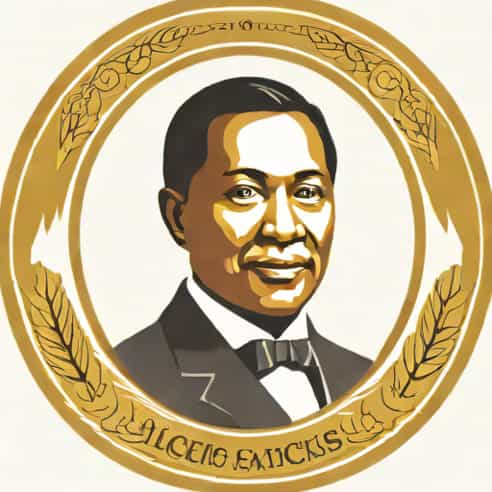
Crispus Attucks remains one of the most significant yet often underrepresented figures in American history. Remembered as the first casualty of the Boston Massacre in 1770, Attucks’ life and death symbolize courage, resistance, and the struggle for freedom. His legacy resonates not only because of the pivotal moment in which he died but also due to what he represents the intersection of African American and Native American heritage in the fight against oppression. Understanding the legacy of Crispus Attucks requires exploring his early life, his role in colonial America, the circumstances of the Boston Massacre, and how his memory has been preserved and celebrated over centuries.
Early Life and Background
Crispus Attucks was born around 1723, though specific details about his early life remain limited. He was of African and Native American descent, often identified as a member of the Natick Indian tribe through his maternal lineage. Attucks grew up in Massachusetts, a region marked by both colonial tension and diverse cultural intersections. As a man of mixed heritage during the colonial era, Attucks faced social and economic marginalization. He worked various jobs, including as a sailor and a rope maker, which required physical strength and courage-qualities that would define his later actions.
The Context of Colonial Tensions
During Crispus Attucks’ lifetime, colonial America was rife with social unrest. Economic inequalities, heavy taxation, and restrictive trade practices imposed by the British Crown created widespread dissatisfaction among the colonies. African Americans, Native Americans, and poor European settlers were often disproportionately affected by these policies, leading many to resist or protest against colonial authorities. Attucks’ presence in Boston, a hub of revolutionary activity, positioned him within a community deeply engaged in debates about liberty, justice, and rights. His life intersected with key revolutionary movements that would eventually lead to the American Revolution.
The Boston Massacre and Attucks’ Role
On March 5, 1770, a confrontation erupted between British soldiers and a crowd of colonists in Boston. Tensions had been escalating due to the stationing of British troops in the city and the imposition of various taxes and regulations. The situation escalated when a mob gathered near the Custom House, harassing the soldiers. Crispus Attucks, known for his physical presence and leadership qualities, was among the first to confront the troops. Accounts describe him as moving to the front of the crowd, signaling defiance and courage in the face of armed soldiers.
Death and Symbolism
Attucks was shot and killed during the Boston Massacre, making him the first person to die in the confrontation. His death held deep symbolic meaning, as he became the first martyr for American liberty. While many colonists were angered by the British troops’ actions, Attucks’ heritage added another layer of significance. He represented the contributions of African Americans and Native Americans to the fight for freedom and resistance against oppression. His death inspired speeches, writings, and commemorations that emphasized the idea that liberty was a universal right, transcending racial and social boundaries.
Commemoration and Historical Recognition
Following the Boston Massacre, Attucks’ sacrifice was remembered and honored in various ways. Early accounts and engravings depicted the event and emphasized his role as a leader in the confrontation. Over time, his name became associated with courage and the struggle for civil rights. In the 19th and 20th centuries, African American communities particularly highlighted Attucks’ legacy as a symbol of resilience and resistance. Schools, parks, and monuments were named in his honor, ensuring that his story remained part of the broader narrative of American history.
Monuments and Cultural Legacy
One of the most notable tributes is the Crispus Attucks Monument in Boston, which commemorates his death and the significance of the Boston Massacre. Beyond physical monuments, Attucks’ story has been celebrated in literature, speeches, and educational curricula. His legacy also played a role in the Civil Rights Movement, where activists invoked his courage to highlight the ongoing struggle for equality and justice in America. By remembering Attucks, communities reinforce the message that the fight for freedom has always included contributions from diverse groups.
Impact on African American History
Crispus Attucks’ legacy holds particular importance in African American history. He stands as an early example of African Americans actively participating in the pursuit of liberty and justice. While the Revolutionary War primarily highlights European colonists, Attucks’ story challenges this narrative by showing that people of African and Native American descent were integral to shaping America’s foundational moments. His memory serves as an inspiration for subsequent generations, emphasizing the importance of courage, civic engagement, and standing up against injustice.
Lessons from Attucks’ Life
The life and legacy of Crispus Attucks teach several important lessons
- Courage in the Face of AdversityAttucks demonstrated bravery by confronting armed forces despite the risks.
- Intersectionality of HeritageHis African and Native American background highlights the diverse contributions to America’s history.
- Enduring Symbol of ResistanceHis martyrdom reminds society that the fight for liberty and justice is ongoing and collective.
- Inspiration for Civic EngagementAttucks’ example encourages individuals to actively participate in social and political movements.
Continuing Relevance
Today, Crispus Attucks remains relevant as both a historical figure and a symbol of broader societal values. Schools named after him continue to educate young people about his life and the Boston Massacre. His story is included in discussions about civil rights, social justice, and the contributions of marginalized communities to America’s development. By studying and commemorating Attucks, society acknowledges the diverse forces that have shaped the nation and reinforces the importance of standing up against oppression and injustice in any era.
The legacy of Crispus Attucks is enduring and multifaceted. As the first casualty of the Boston Massacre, he symbolizes courage, resistance, and the fight for freedom. His life reflects the intersection of African American and Native American heritage in shaping American history, and his death reminds us of the sacrifices made for liberty. Through monuments, literature, education, and civil rights movements, Attucks’ story continues to inspire and educate. Remembering Crispus Attucks encourages reflection on the principles of justice, equality, and civic responsibility, ensuring that his legacy remains a guiding force in understanding America’s past and shaping its future.