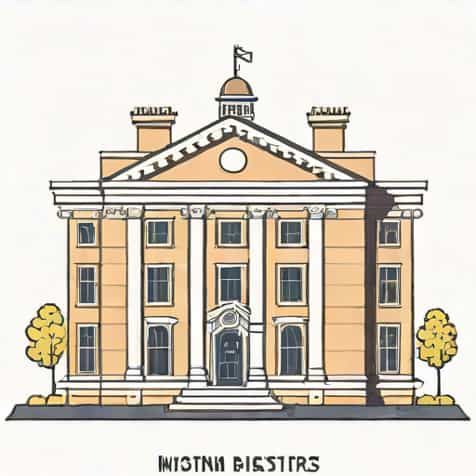
In many countries, certain buildings are recognized for their architectural, historical, or cultural significance and are protected by law. These buildings are known as listed buildings. They represent an important part of a nation’s heritage, reflecting the social, political, and artistic developments of different periods. Being classified as a listed building carries specific responsibilities and restrictions for owners, as alterations or demolitions can impact the preservation of the structure and its historical value. Understanding what a listed building is, how it is designated, and the implications for owners is essential for anyone interested in heritage conservation, architecture, or property management.
Definition of a Listed Building
A listed building is a structure that has been placed on an official register or list because of its special architectural, historical, or cultural interest. The purpose of listing is to protect buildings that contribute to a nation’s heritage and ensure that any changes respect the original character and significance of the building. Listed buildings can include residential homes, churches, public buildings, monuments, and even industrial sites that have historical value. This status ensures that the cultural legacy represented by these buildings is preserved for future generations.
Categories of Listed Buildings
Listed buildings are often categorized according to their relative importance and historical significance. Different countries may have slightly different systems, but the general principle is to identify buildings of varying levels of significance
- Grade I or Category ABuildings of exceptional interest, sometimes considered internationally important. These often include landmarks, iconic structures, and significant historical monuments.
- Grade II* or Category BParticularly important buildings of more than special interest. These structures often have notable architectural features or historical associations.
- Grade II or Category CBuildings of special interest that warrant every effort to preserve them. These may include well-preserved houses, local landmarks, or minor historical sites.
How Buildings Become Listed
The process of listing a building typically involves evaluation by government authorities or heritage organizations. Experts assess the building’s architectural design, historical importance, age, and context within its surroundings. Criteria often include
- Architectural DesignThe style, craftsmanship, and construction techniques used in the building.
- Historical SignificanceThe association with important events, people, or periods in history.
- UniquenessRare or unusual examples of architecture or building types.
- IntegrityHow well the building retains its original features and character.
Once a building is recommended for listing, it undergoes a review process before it is officially recorded. Owners and local authorities are usually notified, and the listing is published on an official register.
Implications of a Listed Status
Being designated as a listed building carries both responsibilities and restrictions. Owners cannot make changes that would alter the building’s character without obtaining formal permission. This includes renovations, extensions, demolitions, and sometimes even interior modifications. The goal is to preserve the historical and architectural integrity of the building. In many cases, planning authorities may work with owners to ensure that maintenance, repairs, and upgrades are sympathetic to the original structure.
- Planning PermissionSpecial consent is required for alterations or demolitions.
- Maintenance ResponsibilityOwners are responsible for keeping the building in good condition, including repairs that maintain its historic character.
- Legal ConsequencesUnauthorized changes or neglect can result in fines or legal action.
- Heritage GrantsIn some countries, financial assistance or grants may be available to help with the cost of maintaining or restoring a listed building.
Examples of Listed Buildings
Listed buildings can be found in urban and rural areas and may represent different architectural periods or historical events. Examples include
- Historic castles and palaces, often preserved as cultural landmarks and tourist attractions.
- Ancient churches and religious buildings that reflect the spiritual and social history of a community.
- Industrial heritage sites such as old factories, mills, or warehouses with significant historical value.
- Residential buildings with unique architectural features, such as Victorian terraces or Georgian townhouses.
Benefits of Preserving Listed Buildings
Preserving listed buildings offers numerous benefits to society and communities. These structures provide a tangible link to the past, helping people understand the cultural and historical context of their environment. Listed buildings also contribute to tourism, urban identity, and community pride. Furthermore, heritage conservation can promote sustainable practices by encouraging the restoration and reuse of existing buildings rather than demolition and new construction.
Challenges in Managing Listed Buildings
While listed buildings are valuable assets, maintaining them can be challenging. Owners often face higher costs for repairs and renovations due to the need for specialized materials and skilled labor. Additionally, balancing modern functionality with historical preservation can be difficult. Accessibility improvements, energy efficiency upgrades, and safety compliance must be carefully planned to avoid compromising the building’s character. Despite these challenges, careful management and respect for heritage principles ensure that listed buildings continue to enrich communities.
A listed building is a structure recognized for its architectural, historical, or cultural significance and protected by law to preserve its unique character. Listing helps maintain the historical legacy of nations, offering educational, cultural, and economic benefits. While ownership comes with responsibilities and restrictions, the preservation of listed buildings ensures that future generations can appreciate and learn from these architectural treasures. From ancient churches to historical homes, listed buildings are living reminders of a nation’s past and an essential part of its cultural identity.