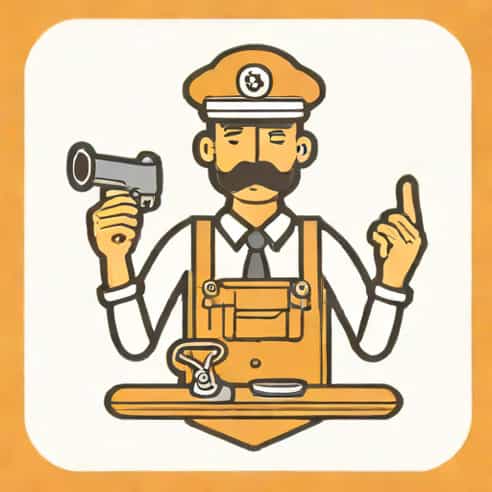
The saying Jack of all trades is one of those expressions that most people have heard at least once in their lives. It’s often used to describe someone who has a wide range of skills or can perform many different tasks reasonably well. While the phrase is sometimes used as a compliment, it can also carry a subtle criticism, implying that someone is competent in many areas but not exceptional in any particular one. The full version of the saying, however, gives a different perspective and reveals a more balanced meaning that many people overlook.
Origin of the Jack of All Trades Saying
The phrase Jack of all trades dates back to the 14th or 15th century. The word Jack was a common term used to describe an average man or a laborer, much like everyman in modern English. Because Jack was associated with versatility and practicality, the phrase came to describe someone capable of performing various kinds of work. In its early use, the saying was actually a compliment, celebrating the adaptability of people who could manage different tasks effectively.
Later on, the expression evolved into the longer version Jack of all trades, master of none. This addition changed the tone, making it sound like a criticism. It suggested that while a person might know a little about many things, they lack the depth of expertise needed to truly master any single one. However, an even fuller version of the phrase-less commonly known today-ends on a positive note Jack of all trades, master of none, but oftentimes better than master of one. This original form actually praised versatility as a valuable trait rather than a weakness.
The Meaning Behind the Saying
At its core, the saying Jack of all trades highlights the balance between specialization and generalization. In life and work, being able to handle multiple tasks can be both a strength and a limitation. A Jack of all trades is usually resourceful, adaptable, and willing to learn new things. On the other hand, a master of one might achieve deep expertise but lack flexibility in unfamiliar situations. The saying reminds us that versatility has both advantages and trade-offs depending on the context.
Positive Interpretation
In the modern world, where careers and industries evolve rapidly, being a Jack of all trades is often considered an asset. People who can learn quickly and move between roles easily are highly valued in many workplaces. For instance, entrepreneurs often need to understand marketing, finance, communication, and product design at least at a basic level. In this sense, the Jack of all trades saying celebrates curiosity, learning, and adaptability.
Negative Interpretation
On the other hand, the phrase can also imply a lack of focus or depth. When someone is called a Jack of all trades in a dismissive tone, it usually means they have spread themselves too thin-knowing a little about everything but not enough to excel in one area. In competitive industries that reward expertise, being too generalized can sometimes be seen as a disadvantage. This interpretation emphasizes the importance of mastering at least one craft or skill.
The Complete Version of the Saying
Many people don’t realize that the full expression-Jack of all trades, master of none, but oftentimes better than master of one-was originally intended as praise. It suggests that having multiple abilities can be more useful than mastering only one thing. In real-life situations, this makes sense. For example, a small business owner who understands accounting, marketing, and customer service may thrive more than someone who excels in only one of those areas.
The shortened modern version tends to strip away this nuance, leaving behind a more critical tone. Yet, understanding the full phrase restores its original balance, showing that being well-rounded and adaptable can often lead to greater success.
Examples of Jack of All Trades in Everyday Life
The Jack of all trades saying applies to many people in different fields and walks of life. Here are a few examples of how it appears in everyday situations
- FreelancersMany freelancers wear multiple hats, handling writing, design, communication, and finances all on their own.
- TeachersEducators often have to be adaptable-planning lessons, managing students, and communicating with parents effectively.
- EntrepreneursBusiness owners frequently act as managers, marketers, and problem solvers all at once, especially in the early stages of their ventures.
- ParentsManaging a household often requires multitasking, organization, and a wide range of skills-from cooking to budgeting to emotional support.
- HandymenThe term literally fits people who can fix plumbing, electrical issues, and carpentry-true Jacks of all trades.
The Jack of All Trades in Modern Work Culture
In today’s dynamic job market, the saying Jack of all trades has regained its positive meaning. Modern employers often seek employees who can handle diverse responsibilities and adapt to changing technology. For example, someone working in marketing today might need to understand social media, data analytics, and content creation. Similarly, startup teams value versatility because team members often perform multiple roles until the company grows.
Generalists vs. Specialists
There is an ongoing debate between being a generalist (a Jack of all trades) and a specialist (a master of one). Specialists are experts in a specific area, which makes them essential for solving deep or technical problems. However, generalists have the advantage of connecting ideas from different fields and adapting to new roles easily. In reality, the most successful professionals often combine both qualities-they specialize in one area while maintaining a broad understanding of others.
The T-Shaped Professional
Modern career advice often refers to the concept of a T-shaped professional. This means having deep expertise in one area (the vertical part of the T) and a broad understanding of related disciplines (the horizontal part). This idea aligns perfectly with the Jack of all trades philosophy but balances it with mastery. It shows that being versatile doesn’t have to mean lacking depth; instead, it means combining flexibility with expertise.
How to Be a Successful Jack of All Trades
If you identify as a Jack of all trades, you can turn that versatility into a strength. The key is to manage your broad skills effectively while continuing to deepen your knowledge in at least one area. Here are a few tips for doing that
- Embrace lifelong learningStay curious and keep learning new skills that complement what you already know.
- Find your core strengthChoose one main area of expertise that you can rely on professionally.
- Connect different skillsUse your diverse knowledge to create unique solutions that specialists might overlook.
- Be adaptableDon’t fear change-use it as an opportunity to apply your versatility.
- Network wiselyCollaborate with specialists who can fill in gaps while you contribute your broad perspective.
The Saying in Popular Culture
The Jack of all trades idea appears often in movies, books, and songs. Characters who can adapt, fix problems, and learn quickly tend to be admired. Whether it’s a hero who knows a bit of everything or an everyday person juggling many responsibilities, this archetype resonates with audiences. It reflects a human truth adaptability is key to survival and success, especially in unpredictable circumstances.
The saying Jack of all trades has stood the test of time because it captures something universal about human ability and ambition. While some see it as a warning against being too scattered, others view it as praise for versatility and open-mindedness. The fuller version of the saying reminds us that being capable in many areas can often be more valuable than mastering just one. In a world that rewards flexibility, creativity, and problem-solving, being a Jack of all trades might just be one of the smartest traits a person can have.