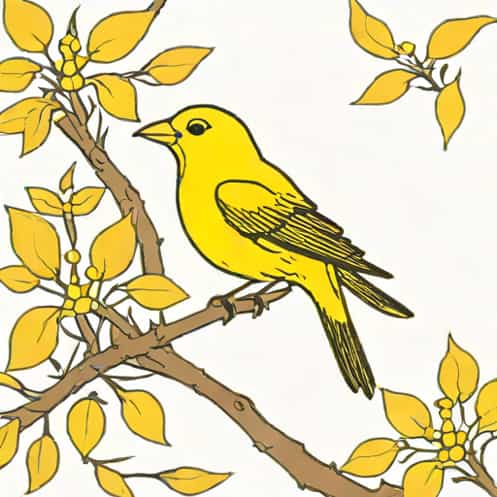
Canaries are beloved for their vibrant colors and melodious singing, making them a favorite pet for bird enthusiasts worldwide. One common question among prospective and current canary owners is about their lifespan and what factors influence how long these small birds can live. Understanding the lifespan of canaries is not only important for planning their care but also for ensuring they live healthy, fulfilling lives. Their longevity can vary significantly depending on species, environment, diet, and overall health care, so being informed is crucial for any responsible canary owner.
Average Lifespan of Canaries
On average, canaries live between 10 to 15 years when properly cared for. Some canaries may live longer, occasionally reaching 20 years or more, though this is relatively rare. The lifespan can depend heavily on whether the bird is kept in captivity or the wild, with captive canaries generally living longer due to protection from predators, regular feeding, and veterinary care. Tending to their specific needs regarding housing, diet, and social interaction is essential to maximize their lifespan.
Factors Affecting Canary Lifespan
Several key factors can influence how long a canary lives, and understanding these can help owners provide the best care. These include
- DietCanaries require a balanced diet that includes seeds, fresh fruits, and vegetables. A diet lacking essential nutrients can shorten their lifespan.
- HousingProper cage size and cleanliness are critical. Canaries need space to fly and exercise, and a dirty cage can lead to infections and diseases.
- Health CareRegular veterinary check-ups and prompt treatment for illnesses help prevent premature death. Parasites, respiratory infections, and feather disorders can impact their lifespan if left untreated.
- GeneticsSome canaries are predisposed to certain health conditions due to their genetic makeup, which can affect their longevity.
- Environmental FactorsTemperature, humidity, and exposure to harmful substances like smoke or chemicals can significantly affect their overall health.
Types of Canaries and Lifespan Differences
There are several types of canaries, and their lifespans can vary slightly depending on breed. Common types include
- American Singer CanaryKnown for its melodious song, this type often lives 10-15 years with proper care.
- Border CanaryPopular for show purposes, the Border Canary has a similar lifespan, often reaching 12-15 years in optimal conditions.
- Gloster CanaryRecognizable by its unique baldhead or corona appearance, Glosters typically live around 10-12 years.
- Fife Fancy CanarySmaller in size and popular in competitions, these canaries generally have a lifespan of 10-12 years.
Signs of Aging in Canaries
Canaries, like all animals, show signs of aging as they grow older. Some of these signs include
- Decreased activity and less frequent singing
- Changes in feather quality, such as dullness or increased molting
- Weight loss or difficulty maintaining body condition
- Slower metabolism and reduced flight stamina
Being aware of these signs helps owners provide age-appropriate care, including dietary adjustments and gentler handling to ensure comfort in later years.
Tips for Extending Canary Lifespan
While genetics play a role in how long canaries live, proper care can significantly influence their longevity. Here are some practical tips to help your canary live a long, healthy life
1. Provide a Nutritious Diet
Feed canaries a balanced diet that combines high-quality seeds, fresh vegetables, and fruits. Foods like spinach, broccoli, apples, and carrots can contribute essential vitamins and minerals. Avoid feeding them chocolate, avocado, and caffeine, as these can be toxic to birds.
2. Maintain a Clean Environment
Regularly clean cages, perches, and feeding bowls to prevent the spread of bacteria and parasites. Ensure that the cage is spacious enough for the canary to fly and exercise, which supports both physical and mental health.
3. Regular Exercise and Social Interaction
Canaries benefit from daily opportunities to fly and interact with their environment. While they are generally solitary, providing stimulating toys and occasional socialization can enhance their well-being and reduce stress, which positively impacts lifespan.
4. Monitor Health Closely
Observe your canary for any signs of illness, including changes in behavior, appetite, or feather condition. Early intervention by a veterinarian experienced in avian care can prevent minor issues from becoming life-threatening problems.
5. Optimal Lighting and Temperature
Canaries thrive in environments with consistent, moderate temperatures and exposure to natural light. Avoid drafts, extreme temperatures, and direct sunlight, which can stress the bird and weaken its immune system.
Common Health Issues Affecting Canary Lifespan
Understanding potential health issues can help prevent a shortened lifespan. Common problems include
- Respiratory InfectionsOften caused by poor ventilation, dust, or cold drafts, these infections can be fatal if untreated.
- Feather DisordersNutritional deficiencies or parasites can lead to feather loss and poor plumage, affecting overall health.
- ObesityOverfeeding or lack of exercise can lead to obesity, increasing the risk of heart problems and diabetes.
- Egg BindingFemale canaries may face complications from laying eggs, which requires immediate veterinary attention.
Canaries, with their charming songs and vivid colors, can live long and fulfilling lives if cared for properly. On average, they live between 10 and 15 years, though some may surpass this range with excellent care and favorable conditions. Diet, housing, environmental factors, and attentive health care play critical roles in determining lifespan. By understanding these factors, providing a balanced diet, a clean and stimulating environment, and regular veterinary attention, owners can ensure their canaries thrive and live to their full potential. Watching a canary grow, sing, and flourish over the years can be a deeply rewarding experience, made even more meaningful by the knowledge that careful care directly contributes to the bird’s longevity.