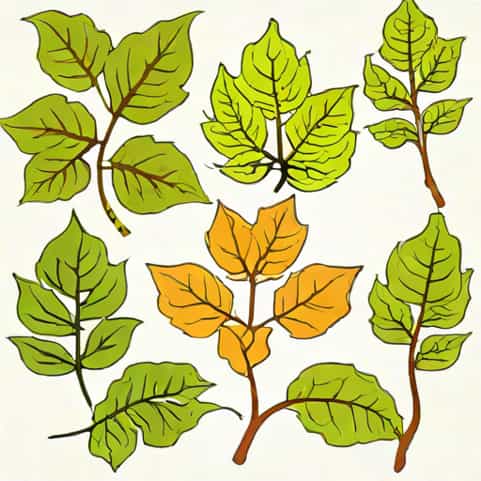
Poison ivy is a common plant that causes skin irritation and allergic reactions when its oils come into contact with the skin. The rash caused by poison ivy is not only uncomfortable but can also be alarming due to its rapid development and severity. Understanding the stages of a poison ivy rash is crucial for effective treatment, prevention of further irritation, and relief of symptoms. The rash progresses through several distinct stages, each with unique characteristics, and recognizing these stages helps individuals manage the reaction properly and avoid complications.
Initial Contact and Early Symptoms
The first stage of a poison ivy rash begins with direct or indirect contact with the plant’s urushiol oil, which is responsible for the allergic reaction. This oil can remain active on clothing, pets, or tools for days, making indirect exposure common. Within hours to two days after contact, the affected area may develop mild redness, tingling, or itching. This early stage often appears as faint pink or reddish patches, signaling the body’s immune response to the urushiol. At this point, washing the skin thoroughly with soap and water can reduce the severity of the reaction.
Characteristics of Early Rash
- Itching or tingling sensation in the affected area
- Redness or slight swelling
- Possible small bumps forming on the skin
- Localized discomfort without widespread inflammation
Development of Redness and Itching
As the body continues to react to urushiol, the rash enters the next stage, where redness becomes more pronounced and itching intensifies. The affected area may start to swell slightly, and the skin can feel warm to the touch. At this stage, the immune system sends white blood cells to the area, attempting to combat the perceived irritant, which contributes to the visible inflammation and itching. Scratching can worsen symptoms and increase the risk of secondary infection.
Symptoms During This Stage
- Bright red or inflamed skin patches
- Intense itching that may interfere with sleep
- Mild swelling around the rash
- Formation of small, raised bumps in clusters
Formation of Blisters
One of the hallmark stages of a poison ivy rash is the formation of blisters. Within one to three days after the initial redness, small fluid-filled bumps appear, often in lines or streaks corresponding to where the plant brushed against the skin. These blisters can vary in size and may merge into larger areas of fluid-filled lesions. The fluid inside the blisters is typically clear and should not be popped, as this can lead to infection and slow the healing process. Blistering is a sign of the body’s immune system actively responding to the urushiol oil.
Blister Stage Symptoms
- Clusters of small, raised fluid-filled blisters
- Increased swelling around affected areas
- Severe itching and burning sensations
- Potential spreading if urushiol remains on skin or clothing
Oozing and Crusting
As the rash progresses, the blisters may begin to ooze a clear fluid, which eventually dries and forms a crust. This stage generally occurs within five to seven days after initial exposure. The crusting is part of the body’s natural healing process, as the skin begins to repair itself and the immune system clears the remaining urushiol oil. During this stage, continued care is essential to prevent infection and support proper healing. Gentle cleaning and application of appropriate topical treatments can help soothe the skin and minimize scarring.
Signs of Oozing and Crusting
- Blisters breaking open and releasing clear fluid
- Formation of yellowish or brownish crust over affected areas
- Reduced itching compared to earlier stages, but discomfort may remain
- Skin beginning to heal underneath the crusts
Healing and Residual Effects
The final stage of a poison ivy rash involves healing and resolution of the skin lesions. Crusts fall off naturally, revealing new, pink skin beneath. The redness gradually fades, and most itching subsides, though some mild sensitivity may persist for a few weeks. Scarring is uncommon but may occur if blisters were scratched or infected. Full recovery typically takes two to three weeks, depending on the severity of the rash and the individual’s immune response. During this stage, maintaining skin moisture and avoiding further irritants supports optimal healing.
Healing Stage Characteristics
- Fading redness and disappearance of crusts
- New, healthy skin emerging under affected areas
- Mild residual itching or tenderness
- Gradual restoration of normal skin texture and color
Prevention and Management Tips
Understanding the stages of a poison ivy rash also helps in prevention and effective management. Immediate washing of the skin with soap and water after suspected exposure can significantly reduce the severity of the rash. Wearing protective clothing while in areas with poison ivy and avoiding direct contact with the plant are key preventive measures. Over-the-counter treatments, such as calamine lotion or hydrocortisone cream, can alleviate itching and discomfort. In severe cases, a healthcare professional may prescribe oral corticosteroids to control inflammation and accelerate healing.
Effective Management Strategies
- Wash exposed skin and contaminated clothing immediately
- Use topical treatments to relieve itching and inflammation
- Avoid scratching to prevent infection
- Consider oral medications for severe reactions
- Monitor for signs of infection, such as pus, increased redness, or fever
Poison ivy rashes progress through distinct stages, beginning with early redness and itching, followed by blister formation, oozing and crusting, and finally healing. Recognizing each stage allows for timely intervention and proper care, reducing discomfort and promoting faster recovery. Prevention through awareness and protective measures, along with appropriate treatment strategies, can minimize the impact of poison ivy exposure. By understanding the stages of poison ivy rash, individuals can effectively manage symptoms, avoid complications, and support the natural healing process of the skin.