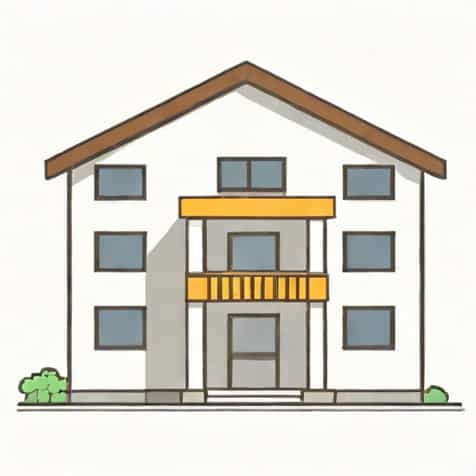
In cities, schools, offices, and even private homes, the need for additional space often leads to the construction of what is called an annex building. An annex is not a random extension but a carefully planned structure built to serve a specific purpose. It can be attached to the main building or stand independently while still functioning as part of the same property. Understanding what an annex building is and how it is used helps us appreciate its importance in both modern architecture and everyday life.
The Definition of an Annex Building
An annex building is a secondary structure that complements a main building. It can be physically connected by a corridor or passage, or it can stand close by on the same property. The key idea is that the annex is part of the overall site and not an entirely separate entity. While the main building may serve as the central hub, the annex provides additional functions that cannot be fully accommodated in the primary structure.
Annex buildings are common in schools, hospitals, universities, hotels, offices, and residential properties. They often provide extra classrooms, laboratories, meeting halls, guest rooms, or storage space. The flexibility of an annex makes it a popular solution for growing organizations or families.
The Purpose of Building an Annex
The primary purpose of an annex building is to add usable space without having to replace or excessively remodel the original structure. Instead of demolishing the existing building, property owners choose to expand with an annex. Some of the most common reasons include
- Providing more classrooms in schools or universities.
- Creating extra office space for expanding businesses.
- Building additional patient wards or medical facilities in hospitals.
- Offering guest accommodations in hotels or resorts.
- Extending living areas for families in residential properties.
Each annex is designed according to the specific needs of the people using it, which makes every project unique in size, design, and function.
Historical Use of Annex Buildings
Annex buildings are not new. Throughout history, large estates, castles, and religious institutions used annexes to handle different functions. For example, monasteries often had annex structures for kitchens, workshops, or guest lodgings. Universities also began using annexes centuries ago to separate housing, dining, and teaching spaces. In many ways, the concept of an annex reflects the natural growth of institutions and communities.
Even in government, annex buildings have been important. Many city halls or state buildings created annexes to accommodate increasing administrative work as populations grew. This tradition continues today in both urban and rural areas.
Types of Annex Buildings
Annex buildings come in many forms, depending on their function and design. Some of the most common types include
- Educational annexUsed by schools and universities for additional classrooms, libraries, or laboratories.
- Medical annexHospitals and clinics often build annexes for new wards, diagnostic centers, or emergency rooms.
- Office annexBusinesses may construct annexes to expand staff offices, conference rooms, or storage facilities.
- Hotel annexHospitality industries use annexes to add more guest rooms or recreational facilities without rebuilding the main property.
- Residential annexHomeowners sometimes add annexes in the form of granny flats, guest houses, or extended living spaces.
This variety shows how adaptable annex buildings are in meeting different demands.
Design and Architectural Considerations
When planning an annex, architects must balance functionality with harmony. The annex should serve its purpose without overshadowing or clashing with the main building. For this reason, many designs either mirror the original architecture or introduce a modern contrast that still complements the main structure.
Factors considered during planning include
- Available space on the property.
- Connection points between the main building and the annex.
- Accessibility for people with disabilities.
- Compliance with local building codes and safety standards.
- Energy efficiency and sustainability in construction.
Well-designed annexes improve functionality while enhancing the overall appearance and value of the property.
Annex Buildings in Education
One of the most common uses of annex buildings is in schools and universities. As student populations increase, institutions often need more classrooms, labs, or dormitories. Instead of relocating to a larger campus, many schools add annexes that allow them to grow gradually. These annexes can be temporary modular buildings or permanent structures designed to blend with the existing campus environment.
Educational annexes also allow schools to separate certain activities. For example, an annex might be dedicated to science labs, music classes, or physical education facilities. This separation reduces crowding and enhances the learning experience.
Annexes in Healthcare Facilities
Hospitals and clinics often face the challenge of expanding patient care capacity. Annex buildings are a practical solution, enabling healthcare providers to add specialized units such as maternity wards, diagnostic centers, or outpatient clinics. These annexes help distribute medical services more efficiently while avoiding the disruption of major renovations to the main hospital.
In times of emergency, such as disease outbreaks, temporary annexes can also be set up quickly to handle patient overflow. This adaptability is one reason annexes remain an essential feature in healthcare planning.
Residential Annexes and Family Living
In private homes, annex buildings often take the form of guest houses, studios, or in-law suites. They provide extra living space without overcrowding the main residence. Many families use residential annexes to house elderly parents, visiting relatives, or even rental tenants. These annexes not only add space but also increase the property’s value and versatility.
Modern residential annexes are often built with energy-efficient materials and designed to offer independence while maintaining closeness to the main household.
The Advantages of Annex Buildings
Annex buildings offer numerous benefits that make them a popular architectural solution
- They provide flexible expansion without demolishing the main building.
- They adapt to changing needs, such as growing families or businesses.
- They increase property value and functionality.
- They can be designed for specific purposes, making them efficient and practical.
- They preserve the main building’s historical or architectural significance while still allowing modern growth.
Challenges of Annex Construction
While annexes are highly useful, they also present challenges. Property owners must consider zoning laws, budget limitations, and architectural harmony. Poorly planned annexes can lead to overcrowding, reduced aesthetics, or structural problems. Maintenance is another issue; managing multiple connected buildings requires consistent upkeep and sometimes additional staff or resources.
Despite these challenges, careful planning and expert design usually ensure that annex buildings deliver long-term benefits.
Modern Trends in Annex Architecture
Today, annex buildings are influenced by modern design trends such as sustainability, minimalism, and technology integration. Many new annexes use eco-friendly materials, solar panels, and energy-efficient systems. Some are designed as smart annexes, equipped with advanced lighting, heating, and security systems. This modernization makes annexes not only functional but also environmentally responsible.
Another trend is modular annex construction. Prefabricated units can be quickly assembled on-site, reducing construction time and costs. This method is especially popular for schools, offices, and temporary medical facilities.
An annex building is far more than just an extra room; it is a purposeful extension that supports the main property while adding value and functionality. From schools and hospitals to offices and homes, annexes have proven to be an adaptable solution for growing space demands. With careful planning and design, annex buildings continue to play an essential role in modern life, balancing tradition with innovation and providing long-term benefits for communities and individuals alike.