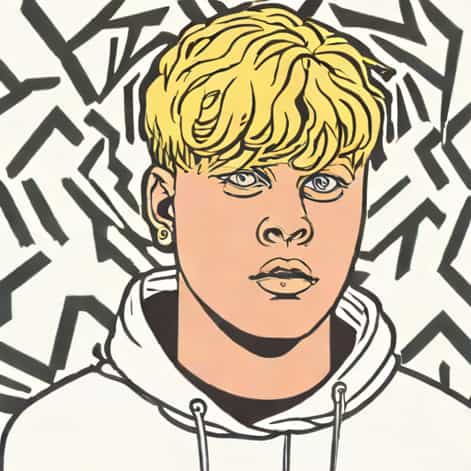
Yung Lean, born Jonatan Leandoer Håstad in 1996, is a Swedish rapper and producer who gained international recognition in the early 2010s with his melancholic and atmospheric style, often categorized under the cloud rap genre. His music, characterized by moody beats and introspective lyrics, resonated with a global audience, particularly the youth. However, behind his rise to fame lies a tumultuous journey marked by mental health struggles, substance abuse, and a significant psychotic episode that profoundly impacted his life and career.
Early Life and Musical Breakthrough
Growing up in Stockholm, Yung Lean began experimenting with music during his teenage years. His breakthrough came in 2013 with the viral success of his track Ginseng Strip 2002, which garnered millions of views on YouTube. This success led to the formation of his collective, Sad Boys, and the release of his debut mixtape, Unknown Death 2002. Lean’s unique blend of emotional vulnerability and internet culture references struck a chord with listeners worldwide, propelling him into the spotlight.
Struggles with Mental Health and Substance Abuse
Despite his early success, Yung Lean faced significant personal challenges. In 2015, while recording his album Warlord in Miami, he experienced a severe mental health crisis. Reports indicate that Lean’s substance use, including drugs like Xanax and cocaine, contributed to a state of psychosis. During this period, he was hospitalized at Mount Sinai Medical Center in Miami Beach. This experience was later depicted in his 2021 documentary, In My Head, which delves into his struggles with mental illness and the pressures of fame.
In a 2017 interview, Lean revealed that he had been diagnosed with bipolar disorder following another psychotic episode. He described the diagnosis as a turning point, providing him with clarity and a path toward treatment. This period marked a shift in his approach to both his personal life and music, as he began to address his mental health more openly.
The Making of Psykos
In 2024, Yung Lean released Psykos, a collaborative album with fellow artist Bladee. The title, derived from the Swedish word for psychosis, reflects the thematic core of the project. The album delves into themes of mental instability, trauma, and the complexities of fame. Lean and Bladee’s partnership on this album showcases their growth as artists, blending elements of alternative rock and post-punk with their signature atmospheric sound.
Critics noted that Psykos marked a departure from Lean’s earlier work, embracing a darker and more introspective tone. The album’s production, influenced by Lean’s personal experiences, creates an immersive atmosphere that resonates with listeners on a deep emotional level.
Recovery and Artistic Evolution
Following the release of Psykos, Yung Lean continued his journey of self-discovery and healing. In 2025, he released Jonatan, an album that reflects his evolution as an artist and individual. The album blends elements of indie rock, art pop, and electronica, showcasing Lean’s versatility and growth. Jonatan received positive reviews for its introspective lyrics and innovative production, further solidifying Lean’s place in the music industry.
Legacy and Impact
Yung Lean’s journey from a viral internet sensation to a respected artist in the global music scene is a testament to his resilience and artistic vision. His willingness to confront and share his struggles with mental health has opened up conversations within the music industry and among his fans. Through his music and personal narrative, Lean continues to inspire others facing similar challenges, proving that vulnerability can be a powerful tool for connection and healing.