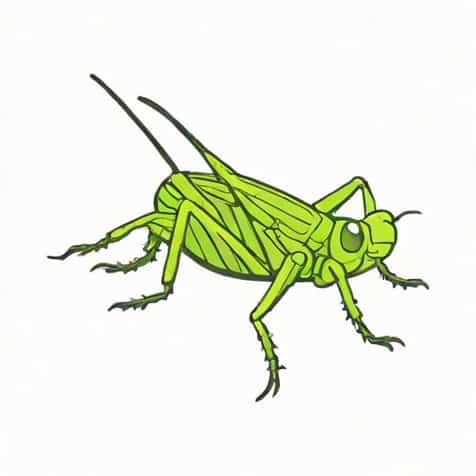
Grasshoppers and crickets are among the most familiar insects found across the United Kingdom, captivating both scientists and casual observers with their distinctive sounds, behaviors, and ecological roles. These insects belong to the order Orthoptera, characterized by their long hind legs adapted for jumping, their ability to produce chirping sounds, and their plant-based diet. Grasshoppers and crickets are not only important components of the UK’s ecosystems but also serve as indicators of environmental health. Understanding their life cycles, habitats, physical characteristics, and the differences between the two species can provide a fascinating insight into the natural world and the role of insects in maintaining ecological balance.
Overview of Grasshoppers in the UK
Grasshoppers are widespread across the UK, especially in grasslands, meadows, and heathlands. These insects are primarily herbivorous, feeding on a variety of grasses and leaves. Grasshoppers are known for their powerful hind legs, which allow them to leap impressive distances relative to their size, and for their wings, which enable short flights to escape predators or move between feeding areas. The chirping sound of grasshoppers, produced by rubbing their legs against their wings, is a familiar summer sound in many rural and suburban areas.
Physical Characteristics
- Size Grasshoppers vary in size, typically ranging from 15 to 40 millimeters in length.
- Color Many species exhibit green or brown coloration, providing camouflage among grasses and foliage.
- Legs Long hind legs adapted for jumping.
- Wings Most grasshoppers have wings that allow short-distance flights.
- Sound production Males produce characteristic chirping sounds to attract mates.
Life Cycle and Behavior
Grasshoppers undergo incomplete metamorphosis, with three main stages egg, nymph, and adult. Eggs are laid in soil during late summer and hatch the following spring. Nymphs resemble miniature adults but lack fully developed wings. Adults emerge in late spring and early summer, with peak activity occurring during warm, sunny months. Grasshoppers are primarily diurnal, feeding during the day and seeking shelter at night to avoid predators such as birds, spiders, and small mammals.
Overview of Crickets in the UK
Crickets are another prominent member of the Orthoptera order found in the UK. They are generally smaller and darker than grasshoppers and are most active in the evening or at night. Crickets produce the familiar chirping sound by rubbing their wings together, a process known as stridulation, and this sound is primarily produced by males to attract females. Crickets prefer habitats with tall grasses, hedgerows, and sheltered areas, and they play a key role in nutrient cycling by feeding on plants and small insects.
Physical Characteristics
- Size Crickets are typically smaller than grasshoppers, ranging from 10 to 25 millimeters in length.
- Color Usually dark brown or black, aiding in nighttime camouflage.
- Legs Strong hind legs for jumping, though less prominent than grasshoppers.
- Wings Crickets have wings, but they are often less used for flying than grasshoppers.
- Sound production Males chirp to attract mates, often more pronounced in the evening and night.
Life Cycle and Behavior
Like grasshoppers, crickets undergo incomplete metamorphosis. Eggs are laid in soil or under leaf litter and hatch into nymphs that gradually develop wings and reproductive organs. Adult crickets are mainly nocturnal, feeding on plant material, fungi, and occasionally small insects. They are known for their distinct chirping, which can vary in pitch and rhythm depending on species and environmental conditions. Crickets are also important prey for a range of predators, including birds, bats, and amphibians, making them integral to the UK’s food web.
Differences Between Grasshoppers and Crickets
Although grasshoppers and crickets share similarities, several differences distinguish the two
- Activity PatternsGrasshoppers are diurnal, while crickets are primarily nocturnal.
- Sound ProductionGrasshoppers produce sound by rubbing hind legs against wings; crickets rub their wings together.
- ColorationGrasshoppers are often green or brown, whereas crickets are darker, typically brown or black.
- Body StructureGrasshoppers generally have shorter antennae and larger hind legs compared to crickets.
- Habitat PreferencesGrasshoppers prefer open grasslands; crickets favor sheltered areas like hedgerows or leaf litter.
Ecological Importance
Both grasshoppers and crickets play vital roles in the UK ecosystem. They contribute to nutrient cycling by feeding on plant material and decomposing organic matter. Additionally, they serve as an essential food source for numerous predators, supporting the biodiversity of birds, mammals, reptiles, and amphibians. Their presence can also indicate ecosystem health, as populations may decline in areas affected by pesticide use, habitat loss, or environmental changes.
Contribution to Agriculture
While grasshoppers and crickets feed on plants, their impact on agriculture in the UK is generally limited due to natural population control. In some cases, large infestations of grasshoppers can cause minor damage to crops, but this is rare. Farmers often view these insects as part of the natural food chain rather than significant pests. Crickets, on the other hand, contribute to soil health by breaking down organic matter and promoting nutrient recycling.
Conservation and Observation
Grasshoppers and crickets in the UK face challenges due to habitat loss, pesticide use, and climate change. Conservation efforts focus on preserving grasslands, hedgerows, and other natural habitats to support healthy populations. Observing these insects in gardens, meadows, and nature reserves can offer educational opportunities and foster appreciation for the UK’s native wildlife.
Tips for Observation
- Visit grasslands, meadows, and hedgerows during warm months to observe grasshoppers and crickets in their natural habitat.
- Listen for chirping sounds in the evening to locate crickets.
- Use binoculars or a magnifying glass to observe physical characteristics without disturbing them.
- Document sightings to contribute to citizen science projects tracking insect populations.
Grasshoppers and crickets are fascinating insects that play essential roles in the United Kingdom’s ecosystems. Their distinctive physical traits, life cycles, and behaviors illustrate the complexity and diversity of the natural world. Grasshoppers, with their daytime activity and impressive jumping abilities, and crickets, with their nocturnal chirping and hidden habitats, each contribute to biodiversity and ecological balance. Observing and understanding these insects not only enhances appreciation for the UK’s wildlife but also emphasizes the importance of conservation and sustainable management of natural habitats. By learning about these insects, individuals can foster a deeper connection to the environment and recognize the significance of even the smallest creatures in maintaining healthy ecosystems.