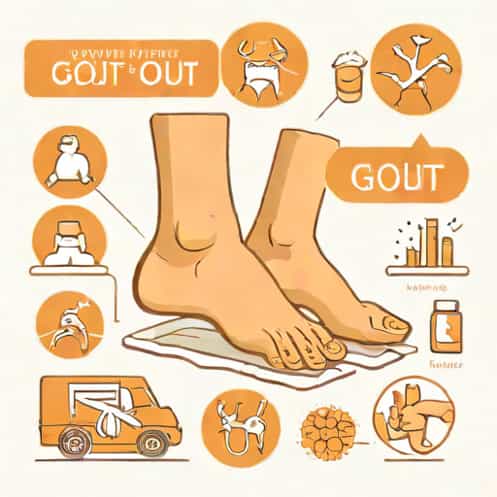
Gout is a painful form of arthritis that often affects the joints in the foot, especially the big toe. It occurs when uric acid builds up in the blood, forming sharp crystals in the joints and causing intense pain, swelling, and redness. Many people experience gout flare-ups suddenly, often at night, and the pain can be so severe that even the touch of a bedsheet feels unbearable. Knowing how to treat gout on the foot can make a big difference in managing symptoms and preventing future attacks. With proper care, lifestyle changes, and treatment, gout can be effectively controlled.
Understanding Gout on the Foot
Gout most commonly appears in the big toe joint, medically known as the metatarsophalangeal joint, but it can also affect the ankle, heel, and other areas of the foot. The condition results from an excess of uric acid a waste product that the body produces when breaking down purines, found in certain foods and drinks. When uric acid levels become too high, it can crystallize and deposit in the joints, leading to inflammation and pain.
Common Symptoms of Gout in the Foot
- Sudden, intense joint pain, especially in the big toe
- Swelling and warmth around the affected area
- Red or shiny skin over the joint
- Limited mobility due to pain
- Lingering discomfort even after the severe pain subsides
Understanding these symptoms is the first step toward effective gout treatment and management.
Immediate Relief During a Gout Attack
When a gout flare-up strikes, the goal is to reduce inflammation and relieve pain as quickly as possible. The affected foot should be rested and elevated to minimize swelling. Ice packs can also be used to soothe the pain and decrease inflammation. Here are some steps to manage acute gout pain effectively
1. Rest and Elevate the Foot
Avoid walking or putting pressure on the affected foot. Resting helps reduce irritation in the joint, while elevating it above heart level can minimize swelling and throbbing pain.
2. Apply Ice
Wrap an ice pack in a thin towel and place it on the inflamed joint for about 20 minutes at a time. This can be repeated several times a day. Cold therapy helps numb the area and reduce inflammation.
3. Stay Hydrated
Drink plenty of water throughout the day to help flush out excess uric acid from your system. Hydration supports kidney function, which is essential for controlling uric acid levels in the blood.
4. Avoid Alcohol and Sugary Drinks
Alcohol, especially beer, and sweetened beverages can raise uric acid levels. During an attack, it’s best to avoid them completely to prevent worsening the symptoms.
5. Over-the-Counter Medications
Nonsteroidal anti-inflammatory drugs (NSAIDs) like ibuprofen or naproxen can help relieve pain and inflammation. However, it’s important to consult a healthcare professional before using them regularly, especially if you have other health conditions.
Medical Treatments for Gout on the Foot
For chronic or recurring gout attacks, medical treatment is essential. Doctors may prescribe medications to relieve pain, prevent future flare-ups, or lower uric acid levels.
Medications for Pain and Inflammation
- ColchicineA medication that helps reduce inflammation and pain if taken early during a gout attack.
- NSAIDsCommonly prescribed to ease joint pain and swelling.
- CorticosteroidsUsed for severe cases when other medications aren’t effective. These can be taken orally or injected into the affected joint.
Uric Acid-Lowering Medications
- AllopurinolHelps reduce uric acid production in the body.
- FebuxostatWorks similarly to allopurinol but may be better tolerated in some patients.
- ProbenecidAids the kidneys in removing uric acid from the body more effectively.
These medications are usually prescribed for long-term management to prevent future gout attacks and complications such as joint damage.
Diet and Lifestyle Changes
What you eat and how you live have a significant impact on gout management. Diet plays a major role in controlling uric acid levels, as certain foods are rich in purines, which the body breaks down into uric acid. Adjusting your diet can help reduce the frequency and intensity of gout flare-ups.
Foods to Avoid
- Red meats (beef, lamb, pork)
- Organ meats (liver, kidney, sweetbreads)
- Shellfish (shrimp, lobster, crab)
- Alcohol, especially beer and spirits
- Sugary drinks and high-fructose corn syrup products
Foods to Include
- Low-fat dairy products such as yogurt and milk
- Fresh fruits, especially cherries and berries
- Vegetables like spinach, broccoli, and kale
- Whole grains and legumes
- Plenty of water for hydration
Maintaining a balanced diet rich in vitamins and minerals helps improve metabolism and reduce inflammation in the joints. Weight management also plays a key role, as being overweight increases the risk of gout flare-ups by putting additional stress on the joints and raising uric acid levels.
Home Remedies and Natural Treatments
In addition to medical and dietary treatments, several home remedies can complement gout care and offer relief from pain and swelling in the foot.
1. Cherry Juice
Studies suggest that cherries and cherry juice may help lower uric acid levels and reduce the frequency of gout attacks due to their anti-inflammatory properties.
2. Apple Cider Vinegar
Though scientific evidence is limited, some people use apple cider vinegar diluted in water to help manage gout symptoms. It’s believed to promote alkalinity and assist in uric acid removal.
3. Ginger Compress
Applying a ginger compress to the affected area can reduce pain and swelling thanks to ginger’s natural anti-inflammatory compounds.
4. Epsom Salt Soak
Soaking your foot in warm water with Epsom salt can relax muscles, ease joint discomfort, and improve circulation, which may relieve gout pain temporarily.
Preventing Future Gout Attacks
Preventing gout is as important as treating it. Once you have experienced an attack, the likelihood of recurrence increases if lifestyle changes and medical management are not maintained. Here are some preventive strategies
- Maintain a healthy weight through a balanced diet and regular exercise.
- Drink enough water daily to help the kidneys flush out uric acid.
- Limit alcohol and high-purine foods.
- Take prescribed medications regularly if recommended by your doctor.
- Monitor uric acid levels through periodic blood tests.
Prevention also involves listening to your body. Early signs of discomfort, stiffness, or mild swelling in the joints should not be ignored, as these can indicate a potential gout flare-up.
When to See a Doctor
If you experience frequent gout attacks, severe pain that does not improve with home treatment, or visible joint deformities, you should seek medical attention. Chronic gout can cause permanent joint damage if untreated. A doctor can help diagnose the severity of the condition through blood tests and imaging studies, then create a personalized treatment plan.
Knowing how to treat gout on the foot involves a combination of immediate pain relief, proper medical care, and lifestyle adjustments. While gout can be extremely painful, it’s a manageable condition with the right approach. From resting and using ice packs during flare-ups to following a low-purine diet and staying hydrated, consistent care can significantly reduce symptoms and prevent future attacks. By understanding your body’s needs and working with your doctor, you can live comfortably and keep gout under control, ensuring healthier joints and a better quality of life.