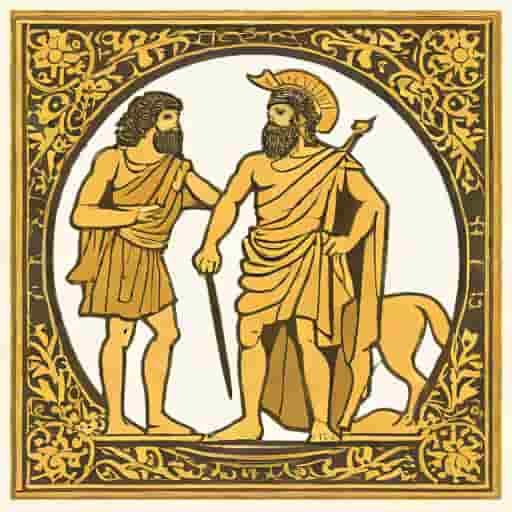
In Greek mythology, hubris is a central theme that represents excessive pride, arrogance, or overconfidence, particularly when mortals challenge the gods or overstep their natural limits. Hubris is not merely about personal pride; it is a dangerous trait that often leads to a character’s downfall, punishment, or humiliation. Stories of hubris serve as moral lessons in Greek literature, emphasizing the importance of humility, respect for divine authority, and awareness of human limitations. The concept appears repeatedly in myths, tragedies, and epic poems, highlighting both the power of the gods and the consequences of defying them. By exploring hubris in Greek mythology, one can better understand the cultural values, social norms, and ethical teachings of ancient Greece, which continue to influence literature and storytelling today.
Definition of Hubris
Hubris, in the context of Greek mythology, is more than just ordinary pride. It is a dangerous overestimation of one’s abilities, often combined with contempt for the gods, social laws, or natural order. Hubris can manifest in arrogance, excessive ambition, and a sense of invincibility. The ancient Greeks considered hubris not only a personal flaw but also a moral violation, as it disrupted the balance between mortals and the divine. In literature, hubris is frequently the driving force behind tragedy, setting the stage for nemesis, or divine retribution.
Key Characteristics of Hubris
- Excessive pride or self-confidence.
- Disregard for divine authority or societal norms.
- Overestimation of personal power or abilities.
- Actions that provoke anger or punishment from the gods.
- Often leads to downfall, suffering, or tragedy.
Hubris in Greek Mythological Stories
Hubris is a recurring theme in Greek myths, often portrayed through mortals who attempt to surpass their limitations or rival the gods. These stories illustrate the consequences of arrogance and serve as cautionary tales.
Icarus and the Sun
One of the most famous examples of hubris is the myth of Icarus. Icarus and his father, Daedalus, attempted to escape Crete using wings made of feathers and wax. Despite his father’s warning, Icarus flew too close to the sun, ignoring the limits of human ability. The wax melted, and he fell into the sea and drowned. Icarus’ hubris was his overconfidence and disregard for caution, which led to his tragic end.
Phaethon and the Chariot of the Sun
Phaethon, the son of the sun god Helios, demanded to drive his father’s chariot across the sky. Lacking the skill and experience to control the powerful horses, he veered dangerously close to the earth, scorching it, and ultimately lost control. Zeus struck him down with a thunderbolt. Phaethon’s story demonstrates hubris in the form of reckless ambition and a failure to respect natural limits.
Narcissus and Self-Love
Narcissus’ excessive pride and obsession with his own reflection is another manifestation of hubris. His inability to look beyond himself led to his demise, as he became entranced by his reflection and eventually wasted away. Narcissus illustrates the destructive power of arrogance and self-centeredness, reinforcing the moral lessons tied to hubris in Greek thought.
Hubris in Greek Tragedy
Hubris is a central element in Greek tragedy, where protagonists often possess great abilities or noble qualities but fall victim to their excessive pride. Tragedians like Sophocles, Euripides, and Aeschylus explored hubris as a moral and narrative device that highlights the tension between human aspiration and divine order.
Oedipus Rex
In Sophocles’ Oedipus Rex, Oedipus’ hubris is evident in his determination to outsmart fate. Despite warnings, he attempts to avoid the prophecy that he will kill his father and marry his mother. His overconfidence in his intelligence and control over destiny ultimately leads to tragic fulfillment of the prophecy, demonstrating how hubris blinds mortals to the inevitable.
Agamemnon
In Aeschylus’ Agamemnon, the king exhibits hubris through arrogance and pride, particularly in his disregard for the gods and moral consequences of his actions. His assumption of superiority and entitlement leads to betrayal and death, highlighting how hubris results in nemesis and downfall.
Creon in Antigone
Creon, in Sophocles’ Antigone, embodies hubris through his rigid enforcement of human laws over divine laws. His excessive pride and inflexibility provoke the gods’ displeasure, resulting in tragedy for his family. Creon’s story underscores that hubris is not limited to physical acts of defiance but can also involve moral and ethical arrogance.
The Moral Lessons of Hubris
Greek mythology uses hubris as a cautionary concept, teaching lessons about humility, respect, and the limits of human power. Mortals who display hubris often suffer severe consequences, serving as examples of what can go wrong when pride overrides wisdom and restraint.
Respect for the Gods
Hubris often arises when mortals fail to honor or fear the gods. Myths repeatedly show that disrespecting divine authority, whether through arrogance or defiance, invites nemesis. This emphasizes the cultural importance of reverence and humility in ancient Greek society.
Understanding Human Limitations
Many myths warn against overestimating one’s abilities. Hubris illustrates that no matter how talented or strong a mortal may be, humans are bound by limits that must be acknowledged. Attempting to exceed these limits often leads to disaster.
The Balance Between Ambition and Caution
While ambition and courage are valued traits, hubris shows that excessive ambition without prudence is dangerous. Greek mythology teaches that careful planning, respect for rules, and self-awareness are necessary to avoid catastrophic consequences.
Modern Influence of Hubris
The concept of hubris has transcended ancient mythology, influencing literature, psychology, and popular culture. In modern narratives, hubris often appears in stories about powerful leaders, entrepreneurs, or individuals whose overconfidence leads to failure or moral decline. Understanding hubris provides insight into human behavior, ethical dilemmas, and the enduring relevance of Greek myths.
In Literature
Authors often incorporate hubris to create tension and tragedy. Characters who overreach, ignore warnings, or underestimate challenges reflect the timeless lesson of humility and the dangers of arrogance.
In Psychology
Hubris is studied as a psychological trait, linked to narcissism, overconfidence, and risk-taking behavior. Recognizing hubris in oneself or others can improve decision-making and interpersonal relationships.
In Popular Culture
Movies, television shows, and video games frequently feature hubris as a theme, often with protagonists or villains whose arrogance leads to unexpected consequences. These modern retellings echo the warnings found in ancient Greek mythology.
Hubris in Greek mythology represents excessive pride and arrogance, particularly when mortals challenge the gods or ignore natural limits. Through stories like Icarus, Phaethon, Narcissus, and the tragedies of Oedipus, Agamemnon, and Creon, the Greeks illustrated the dangers of overconfidence and the importance of humility. Hubris serves as a moral lesson about respect for divine authority, awareness of human limitations, and the balance between ambition and caution. Its influence extends beyond ancient myths, shaping literature, psychology, and popular culture. By studying hubris in Greek mythology, we gain insight into human behavior, ethical values, and timeless storytelling that continues to resonate across generations.