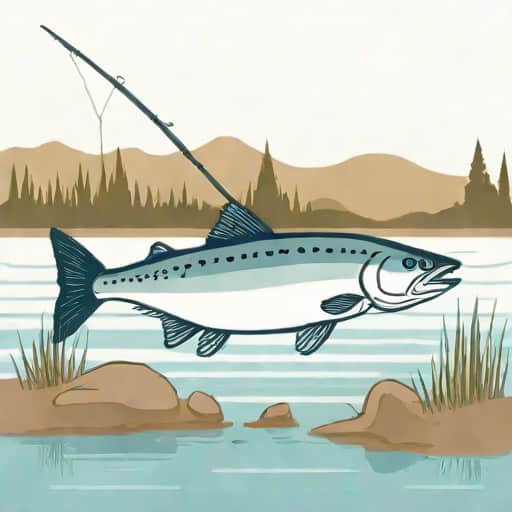
Fishing for coho salmon from shore is an exciting and rewarding activity for anglers of all skill levels. Coho salmon, also known as silver salmon, are prized for their fighting ability and delicious taste, making them a favorite target during salmon season. Shore fishing for coho allows you to enjoy the sport without the need for a boat, giving you the flexibility to fish from beaches, riverbanks, or piers. With the right gear, techniques, and knowledge of coho salmon behavior, you can increase your chances of a successful catch and enjoy a memorable day outdoors. Understanding where and when to fish, as well as the types of bait and lures to use, is essential for anyone looking to fish for coho from shore effectively.
Understanding Coho Salmon
Coho salmon are a species of Pacific salmon that are known for their silver coloring and aggressive fighting style. They typically range from 6 to 12 pounds, though larger specimens can be caught under the right conditions. Coho salmon are anadromous, meaning they are born in freshwater, migrate to the ocean, and return to freshwater to spawn. Their predictable migration patterns make them accessible to shore anglers during specific seasons. Knowing the habits and life cycle of coho salmon helps anglers choose the best times and locations to fish.
When to Fish for Coho Salmon from Shore
The best time to fish for coho salmon from shore is during their migration period when they return from the ocean to freshwater rivers and streams to spawn. In the Pacific Northwest, this typically occurs from late summer through fall, although exact timing can vary by location. Early morning and late evening are often the most productive times, as salmon tend to move closer to shore during these periods. Paying attention to tides, water temperature, and weather conditions can also improve your chances, as coho salmon are more likely to feed actively during certain environmental conditions.
Essential Gear for Shore Fishing
Having the right gear is crucial for successful coho salmon fishing from shore. The following equipment is recommended
- Rod and ReelA medium to heavy spinning rod with a reel capable of holding 150-200 yards of line is ideal for handling the size and strength of coho salmon.
- Fishing LineUse a 10-20 lb test monofilament or braided line for strength and durability. Braided line offers better casting distance, while monofilament provides some stretch, which can reduce hook pull during a fight.
- Baits and LuresPopular options include spoons, spinners, plugs, and herring or anchovy for bait fishing. Brightly colored lures such as pink, orange, or silver are effective in attracting coho salmon.
- Terminal TackleInclude swivels, hooks, and leader material appropriate for salmon fishing. Fluorocarbon leaders are useful as they are less visible underwater.
- Waders and BootsIf fishing from the water’s edge, waders allow access to deeper areas without getting wet, while non-slip boots provide stability on rocks or slippery banks.
Techniques for Shore Fishing
Different techniques can be used depending on whether you are fishing in rivers, estuaries, or along the ocean shoreline. Here are some effective methods
Drift Fishing with Bait
Drift fishing involves casting your bait upstream and allowing it to drift naturally with the current. This method is effective in rivers or streams where coho salmon are moving upstream. Attach a piece of herring, anchovy, or salmon roe to a hook and use a weight to keep the bait at the desired depth. Watch the line closely for subtle bites, as coho salmon often strike gently before committing.
Casting Lures
Casting lures is a common and productive method for coho salmon from shore. Use spoons, spinners, or plugs and cast them into likely holding areas such as deep pools, eddies, or near structure like rocks and logs. Retrieve the lure with varying speed and occasional pauses to mimic injured prey, which can trigger aggressive strikes from coho salmon.
Trolling from Shore
While trolling is typically associated with boat fishing, shore anglers can mimic this technique by casting lures at different distances and using a steady retrieve. This allows you to cover more water and find active fish. Using heavier lures or sinkers can help reach deeper water where coho salmon may be holding.
Choosing the Right Spot
The location you choose is just as important as your technique. Coho salmon tend to concentrate in areas that provide cover, food, and easy access to upstream spawning grounds. Look for the following features
- River mouths where freshwater meets saltwater, creating nutrient-rich zones.
- Deep pools or slower-moving sections of rivers where salmon pause during migration.
- Areas near rocks, logs, or underwater structures that provide shelter and ambush points.
- Shorelines with gradual drop-offs, allowing casting into deeper water without needing a boat.
Tips for Increasing Success
- Pay attention to tides and moon phases, as coho salmon often move closer to shore during incoming tides and high-activity moon phases.
- Use brightly colored lures in clear water or more natural, subdued colors in murky water.
- Change lure depth frequently to find where salmon are feeding.
- Keep noise and movement to a minimum to avoid spooking fish.
- Be patient and persistent; coho salmon can be unpredictable, and it may take time to locate active fish.
Handling and Releasing Coho Salmon
Once you catch a coho salmon, handling it properly is important whether you plan to keep it or release it. Use wet hands or a wet cloth to avoid removing the fish’s protective slime coating. Keep the fish in the water as much as possible during unhooking. If releasing, gently return it to the water, allowing it to recover before swimming away. Proper handling ensures the health of the salmon population and maintains the quality of your fishing spots for future trips.
Fishing for coho salmon from shore is both challenging and rewarding. By understanding coho salmon behavior, using the right gear, selecting effective techniques, and choosing the best spots, anglers can increase their chances of a successful catch. Patience, observation, and adaptation are key, as conditions and fish activity can vary. Whether you are drift fishing, casting lures, or trolling from shore, following these strategies ensures a productive and enjoyable fishing experience. Proper handling of caught salmon further supports sustainable fishing practices and allows future generations to enjoy the thrill of coho salmon fishing. With practice and attention to detail, anyone can improve their shore fishing skills and consistently catch coho salmon during the season.