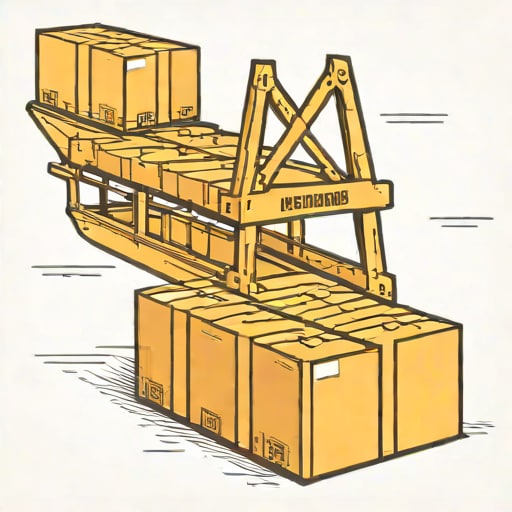
In the shipping industry, the term lashing carries significant importance for ensuring the safety and security of cargo during transportation. Lashing refers to the process of securing goods on a ship, container, or trailer to prevent movement caused by the ship’s motion, rough seas, or sudden stops. Proper lashing is essential for protecting the cargo, the vessel, and the crew from accidents and damage. It involves using ropes, chains, straps, or other securing devices to stabilize and restrain goods. Understanding the meaning of lashing in shipping, the types of lashing methods, and best practices is vital for anyone involved in logistics, maritime operations, or freight handling. This topic explores the concept in detail, providing practical insights into its applications, safety implications, and techniques.
Definition of Lashing in Shipping
Lashing in shipping is the act of securing cargo to prevent unwanted movement during transportation. It is a critical part of cargo stowage and handling, ensuring that goods remain in place regardless of external forces acting on the vessel. Lashing minimizes the risk of cargo shifting, which can lead to damage, accidents, or even capsizing in severe cases. In essence, lashing provides stability and protection, making it a fundamental aspect of maritime safety.
Key Objectives of Lashing
The main objectives of lashing in shipping include
- Preventing cargo movement during transit.
- Ensuring safety of the crew and vessel.
- Protecting cargo from damage caused by rough seas or sudden stops.
- Maintaining balance and stability of the ship.
- Complying with maritime safety regulations.
Types of Lashing in Shipping
There are several lashing techniques used in shipping, each suited to specific types of cargo and transportation conditions. Choosing the right lashing method is critical for achieving optimal safety and efficiency.
Container Lashing
Container lashing involves securing shipping containers on board a vessel or transport truck. This method typically uses twist locks, chains, or ratchet straps to prevent containers from shifting or tipping during transit.
- Twist locks are commonly used to lock containers onto the ship’s deck or between stacked containers.
- Chains and tensioning devices provide additional security against movement caused by waves or wind.
- Ratchet straps can be used for securing lighter containers or smaller shipments.
Cargo Lashing
Cargo lashing is used for goods that are transported outside containers or on pallets. This method is essential for securing heavy machinery, vehicles, and irregularly shaped cargo.
- Ropes and webbing straps are often used for manual lashing of goods on the deck.
- Steel chains and turnbuckles are preferred for heavy or oversized cargo.
- Lashing points or hooks on the deck provide anchor points to tie down the cargo securely.
Vehicle Lashing
Vehicles shipped by sea or on trailers require specific lashing methods to prevent rolling or shifting. This involves securing the wheels and body to prevent damage.
- Wheel chocks are placed in front and behind the tires to prevent movement.
- Straps or chains are connected to the vehicle’s frame for added stability.
- Regular checks during transit ensure that lashings remain tight and effective.
Importance of Proper Lashing
Proper lashing is crucial for safety, efficiency, and legal compliance in shipping. Incorrect or inadequate lashing can result in severe consequences, including cargo loss, ship damage, and injuries to the crew.
Safety Considerations
- Preventing cargo shift is essential to avoid accidents on board.
- Proper lashing reduces the risk of capsizing or imbalance due to uneven weight distribution.
- Secured cargo protects the crew from falling or sliding objects during rough seas.
Economic and Legal Implications
- Damaged cargo can lead to financial losses and insurance claims.
- Compliance with lashing standards ensures adherence to international shipping regulations such as the International Maritime Organization (IMO) guidelines.
- Proper documentation of lashing procedures can protect shipping companies from legal liability in case of accidents.
Materials and Equipment Used in Lashing
Different types of materials and equipment are used depending on the cargo type, weight, and mode of transport.
Ropes and Straps
Ropes and webbing straps are flexible and easy to adjust, suitable for lighter cargo and irregular shapes. They are often made of polyester, nylon, or polypropylene for strength and durability.
Chains and Turnbuckles
Steel chains and turnbuckles are used for heavy cargo. They provide high tensile strength and secure cargo under extreme conditions.
Twist Locks and Lashing Points
Twist locks are specifically designed for container shipping, ensuring that containers remain interlocked on the ship’s deck. Lashing points or hooks on the deck serve as anchor points for securing ropes or chains.
Best Practices for Effective Lashing
Following best practices ensures that lashing is secure and effective. This includes proper planning, choosing the right materials, and conducting regular inspections.
Planning and Assessment
- Assess the cargo weight, size, and shape before lashing.
- Determine the number of lashings and anchor points required for stability.
- Consider weather and sea conditions when planning lashing procedures.
Proper Techniques
- Use multiple lashings for heavy or irregular cargo.
- Ensure tension in straps and chains is adequate but not excessive.
- Regularly check lashings during transit for loosened connections.
Inspection and Maintenance
- Inspect ropes, straps, and chains for wear and tear before use.
- Replace damaged lashing equipment immediately to maintain safety.
- Document lashing procedures for accountability and compliance with regulations.
Lashing in shipping is a critical process for ensuring the safety and stability of cargo during transportation. By properly securing containers, vehicles, or individual goods, shipping companies can prevent accidents, reduce financial losses, and comply with international safety regulations. Understanding the meaning of lashing, the types of methods, materials used, and best practices allows logistics professionals and seafarers to handle cargo responsibly and efficiently. Effective lashing not only protects the cargo but also safeguards the crew and vessel, promoting a culture of safety and professionalism in the maritime industry. Whether dealing with containers, heavy machinery, or vehicles, proper lashing is an essential component of modern shipping operations, emphasizing the importance of preparation, equipment, and vigilance at every stage of transportation.