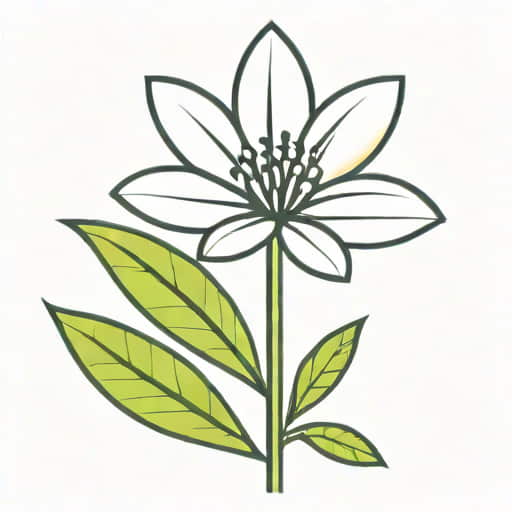
Flowers are one of nature’s most fascinating creations, not only because of their beauty but also due to their intricate structure and biology. Each part of a flower has a specific role in the process of reproduction and protection, and understanding these parts is crucial for students, gardeners, and anyone interested in botany. One essential component of a flower that is often overlooked is the sepal. Sepals play a vital role in the life cycle of a flower, providing protection, support, and contributing to the reproductive process. Learning the meaning of sepal in flowers helps in understanding how plants grow, bloom, and reproduce effectively. In English, the term sepal is widely used in botanical studies and is fundamental for identifying and describing flowers.
Definition of Sepal in Flowers
A sepal is one of the leaf-like structures that form the outermost part of a flower, typically located at the base of the petals. Sepals collectively form what is called the calyx. Their primary function is to protect the developing flower bud before it blooms. In some flowers, sepals are green and resemble leaves, while in others, they can be colorful and petal-like, contributing to the flower’s overall appearance. Sepals are an integral part of the flower’s anatomy and are essential for its protection, development, and sometimes even pollination.
Structure and Position of Sepals
Sepals are usually arranged in a circular pattern at the base of the flower, surrounding the petals and other reproductive organs. They are typically smaller than petals but can vary greatly in size, shape, and color depending on the species of the flower. In some flowers, such as lilies or roses, sepals are distinctly visible, while in others, they may be partially hidden beneath the petals. The structure of sepals allows them to act as a shield, covering the delicate inner parts of the flower and protecting them from environmental damage, pests, or diseases.
Functions of Sepals in Flowers
Sepals serve multiple purposes in the life cycle of a flower. They are not just decorative but play important functional roles that support the growth, protection, and reproduction of the plant.
Protection of Flower Buds
The most important function of sepals is to protect the developing flower bud. Before the flower blooms, sepals enclose the petals and reproductive organs, shielding them from harsh weather conditions, insects, and other potential threats. This protective role ensures that the flower can develop fully and bloom successfully.
Support for Open Flowers
Once the flower has bloomed, sepals provide support to the petals and help maintain the structure of the flower. They act as a base that holds the petals in place, preventing them from drooping or getting damaged. In some species, the sepals remain after the petals fall, supporting the fruit or seed formation.
Photosynthesis and Nutrition
In green sepals, photosynthesis can occur, which contributes to the nutrition of the flower. By producing some energy through sunlight, sepals help sustain the flower and contribute indirectly to the growth and development of petals and reproductive structures.
Attraction of Pollinators
In certain flowers, sepals are colorful and visually appealing, similar to petals. These sepals can help attract pollinators like bees, butterflies, and birds. While petals are usually the primary attractants, colorful sepals enhance the overall appearance of the flower and increase the chances of successful pollination.
Types of Sepals
Sepals can vary greatly across different types of flowers. They can be categorized based on their size, color, and shape.
Green Sepals
Most commonly, sepals are green and leaf-like. Their primary role in these flowers is protection and support rather than attraction. Examples include roses and hibiscus, where green sepals enclose the flower bud until it is ready to bloom.
Petaloid Sepals
In some flowers, sepals resemble petals in color and texture. These are known as petaloid sepals. They are often found in lilies and tulips and contribute to the flower’s visual appeal, aiding in pollination. Petaloid sepals can be difficult to distinguish from petals due to their similar appearance.
Fused Sepals
In certain species, sepals may be fused together to form a cup-like structure called a calyx tube. This fusion provides additional protection to the flower bud and can be seen in flowers like morning glories and hibiscus. Fused sepals often remain after flowering to support fruit development.
Examples of Sepals in Common Flowers
Understanding sepals can be easier when examining specific examples in common flowers
- RoseGreen, leaf-like sepals that enclose the bud before blooming.
- LilyPetaloid sepals that enhance the flower’s beauty and attract pollinators.
- HibiscusFused sepals forming a protective tube around the developing flower.
- Tomato PlantSepals remain attached to the fruit after the flower blooms, providing support and protection.
Importance of Sepals in Botanical Studies
Sepals are significant in botany and plant taxonomy. Their characteristics, such as number, shape, size, and arrangement, are used to identify and classify different plant species. For botanists, observing sepals provides insights into the evolutionary adaptations and reproductive strategies of plants. Sepals also help in studying the developmental stages of flowers, from bud formation to full bloom, highlighting their functional and ecological importance.
Educational Value
Learning about sepals is essential for students studying botany, horticulture, or biology. By understanding the structure and function of sepals, students can better appreciate how flowers protect themselves, attract pollinators, and reproduce. Practical exercises, such as examining flowers under a microscope, allow learners to observe sepals and understand their role in the plant’s life cycle.
Practical Applications in Gardening and Agriculture
Gardeners and farmers benefit from understanding sepals as well. Recognizing healthy sepals can indicate a flower bud’s readiness to bloom and help in pruning, planting, and care practices. In agriculture, sepals play a role in fruit protection and development, impacting crop yield and quality. Proper attention to sepals can enhance flowering success and ensure healthier plants.
Sepals are a fundamental part of flower anatomy, serving multiple essential functions including protection, support, photosynthesis, and attraction of pollinators. The meaning of sepal in flowers extends beyond its simple definition as a leaf-like structure, encompassing its crucial roles in growth, development, and reproduction. From green protective sepals to colorful petaloid varieties, these structures are vital for ensuring the survival and success of flowering plants. Understanding sepals is important not only for students of botany but also for gardeners, horticulturists, and anyone interested in plant science. By learning about sepals, one gains a deeper appreciation for the complexity of flowers, the delicate balance of their anatomy, and the fascinating processes that allow plants to thrive and reproduce.