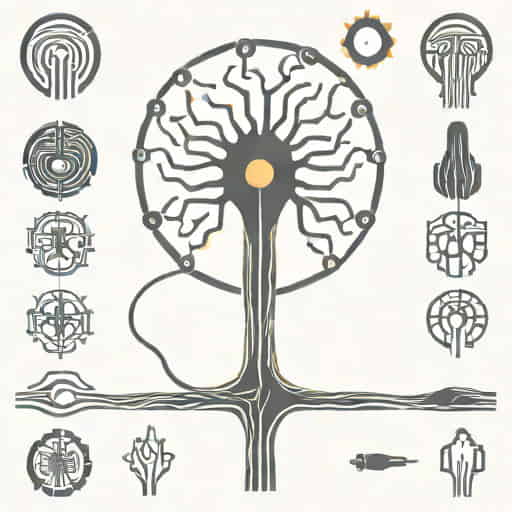
Nerves are a crucial part of the human body, forming a complex network that allows communication between the brain, spinal cord, and other parts of the body. They are responsible for transmitting signals that control movement, sensation, and various bodily functions. Broadly, nerves can be classified into sensory and motor types, each performing distinct roles. Sensory nerves carry information from the body to the brain, allowing us to perceive the environment, feel pain, and sense temperature, touch, and pressure. Motor nerves, on the other hand, transmit signals from the brain to muscles, enabling voluntary and involuntary movements. Understanding the structure, function, and interaction of sensory and motor nerves is fundamental for appreciating how the nervous system maintains body coordination and responds to stimuli.
Overview of Nerves
The human nervous system consists of the central nervous system (CNS), which includes the brain and spinal cord, and the peripheral nervous system (PNS), which encompasses all other nerves in the body. Nerves are composed of bundles of axons, which are long, thread-like structures that transmit electrical impulses. They are protected by connective tissue layers and often surrounded by myelin, a fatty substance that increases the speed of signal transmission. Nerves function as the body’s communication system, ensuring that sensory input and motor commands are delivered quickly and accurately.
Structure of a Nerve
A typical nerve is made up of three primary components
- AxonsThe long projections of neurons that carry electrical signals.
- Myelin SheathA protective coating that insulates axons and enhances signal speed.
- Connective TissueLayers such as endoneurium, perineurium, and epineurium that provide support and protection.
This structure allows nerves to transmit signals over long distances with minimal loss of information, making precise control of the body possible.
Sensory Nerves
Sensory nerves, also called afferent nerves, are responsible for carrying information from the body’s sensory receptors to the brain and spinal cord. These nerves allow humans to perceive and respond to changes in their environment, including touch, temperature, pain, and body position.
Function of Sensory Nerves
Sensory nerves detect various stimuli and convert them into electrical impulses. These impulses travel to the CNS, where they are processed and interpreted. This enables the brain to react appropriately, whether it’s pulling a hand away from a hot surface, adjusting posture to maintain balance, or experiencing the sensation of a gentle touch.
Types of Sensory Nerves
- MechanoreceptorsRespond to mechanical stimuli such as pressure, vibration, and texture.
- NociceptorsDetect pain and harmful stimuli that could damage tissues.
- ThermoreceptorsSense changes in temperature.
- ProprioceptorsMonitor the position and movement of muscles and joints.
Each type of sensory receptor plays a critical role in allowing the body to interact safely and efficiently with its surroundings.
Motor Nerves
Motor nerves, also called efferent nerves, transmit signals from the CNS to muscles and glands, initiating movement and controlling bodily functions. They are essential for both voluntary movements, like walking or typing, and involuntary actions, such as reflexes and the regulation of organ activity.
Function of Motor Nerves
Motor nerves deliver electrical signals to muscle fibers, causing them to contract. This process involves the release of neurotransmitters at neuromuscular junctions, where nerve endings meet muscle cells. Proper functioning of motor nerves is necessary for coordination, strength, and precision in movement. Damage to motor nerves can result in weakness, paralysis, or loss of motor control depending on the severity and location of the injury.
Types of Motor Nerves
- Somatic Motor NervesControl voluntary movements of skeletal muscles.
- Autonomic Motor NervesRegulate involuntary functions such as heart rate, digestion, and respiratory rate.
Interaction Between Sensory and Motor Nerves
Sensory and motor nerves work together to maintain body function and respond to stimuli efficiently. This interaction occurs in reflex arcs and complex neural pathways. For instance, when touching a hot object, sensory nerves transmit the pain signal to the spinal cord, which then sends an immediate response via motor nerves to withdraw the hand. This seamless communication is crucial for protecting the body and performing everyday tasks.
Reflexes
Reflexes are automatic responses that demonstrate the collaboration between sensory and motor nerves. A simple reflex arc involves a sensory nerve detecting a stimulus, transmitting it to the spinal cord, and a motor nerve sending a response signal to the muscle. This rapid reaction occurs without conscious thought, showcasing the efficiency of the nervous system in maintaining safety and homeostasis.
Disorders Affecting Sensory and Motor Nerves
Both sensory and motor nerves can be affected by various conditions, leading to symptoms that range from mild discomfort to severe impairment. Peripheral neuropathy, for example, can damage sensory nerves, causing numbness, tingling, or pain. Motor nerve disorders, such as amyotrophic lateral sclerosis (ALS), can result in muscle weakness, paralysis, and loss of motor function. Diabetes, infections, trauma, and autoimmune diseases are common causes of nerve damage, affecting both sensory and motor functions.
Symptoms of Nerve Disorders
- Numbness or tingling in the extremities
- Muscle weakness or loss of coordination
- Sharp, shooting, or burning pain
- Loss of reflexes or abnormal sensations
- Difficulty performing daily activities requiring motor control
Diagnosis and Treatment
Diagnosing nerve-related problems involves neurological examinations, imaging studies, and tests such as electromyography (EMG) or nerve conduction studies. These evaluations help identify whether sensory, motor, or both types of nerves are affected. Treatment varies depending on the underlying cause and may include medications, physical therapy, surgery, or lifestyle modifications to manage symptoms and improve nerve function.
Prevention and Care
Maintaining nerve health is essential for proper sensory and motor function. Preventive measures include managing chronic conditions such as diabetes, avoiding repetitive stress injuries, maintaining a healthy diet rich in vitamins and minerals, exercising regularly to improve circulation and nerve function, and protecting against injuries that can damage nerves.
Sensory and motor nerves are fundamental components of the nervous system, working together to transmit information, coordinate movements, and respond to the environment. Sensory nerves allow the body to perceive stimuli, while motor nerves execute the brain’s commands to muscles and organs. Disorders affecting these nerves can significantly impact quality of life, making understanding their function, structure, and care essential. By recognizing the importance of sensory and motor nerves, individuals can better appreciate the complexity of the nervous system and take steps to maintain its health and function throughout life.