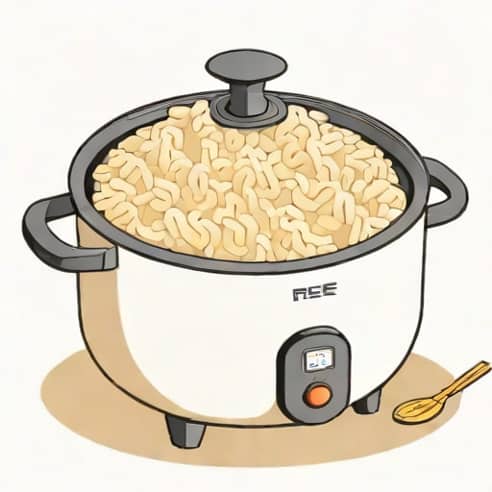
Cooking glutinous rice can be a challenge for many home cooks, as its sticky texture and unique consistency require careful preparation. Fortunately, a rice cooker designed for glutinous rice makes the process much easier, providing consistent results with minimal effort. Glutinous rice, also known as sticky rice, is a staple in many Asian cuisines, used in dishes ranging from savory meals to sweet desserts. Using a rice cooker specifically for glutinous rice allows the grains to cook evenly, absorb water properly, and develop the characteristic chewy texture that makes this type of rice so popular. Understanding how to use the rice cooker, the appropriate water-to-rice ratio, and tips for enhancing flavor can elevate your cooking experience and ensure perfect sticky rice every time.
Understanding Glutinous Rice
Glutinous rice is a type of rice that contains a high amount of amylopectin, a component of starch that gives the rice its sticky and chewy texture when cooked. Despite its name, glutinous rice does not contain gluten, making it safe for people with gluten sensitivities. This rice is commonly used in Asian cuisine for dishes such as mango sticky rice, zongzi (sticky rice dumplings), and sticky rice with chicken or pork. Its unique properties make it ideal for both savory and sweet applications, and the correct cooking method is essential to maintain its texture.
Types of Glutinous Rice
There are several varieties of glutinous rice available, each with subtle differences in flavor and stickiness. Some common types include
- White glutinous riceThe most common variety, used in desserts and everyday dishes.
- Black glutinous riceHas a slightly nutty flavor and is often used in sweet puddings.
- Red glutinous riceOffers a firmer texture and richer flavor, suitable for both savory and sweet dishes.
Benefits of Using a Rice Cooker for Glutinous Rice
While glutinous rice can be cooked on the stovetop, a rice cooker provides numerous advantages that make the process easier and more reliable. Modern rice cookers come with specific settings for glutinous rice, ensuring precise temperature control and consistent results.
Consistent Cooking
One of the main advantages of using a rice cooker is the ability to cook rice evenly. Traditional stovetop methods can result in unevenly cooked rice, with some grains undercooked and others overcooked. A rice cooker eliminates this issue by maintaining a constant temperature and cooking the rice thoroughly without constant monitoring.
Convenience and Time-Saving
A rice cooker allows you to prepare glutinous rice with minimal effort. Simply measure the rice, rinse it, add the correct amount of water, and start the cooking cycle. This convenience is particularly valuable when preparing large quantities for family meals, gatherings, or special occasions. Some rice cookers even offer a keep-warm function, allowing you to serve rice at the perfect temperature without worry.
Improved Texture and Flavor
Cooking glutinous rice in a rice cooker helps achieve the perfect sticky texture that is essential for many dishes. The controlled cooking environment prevents the rice from becoming too dry or mushy. Additionally, soaking the rice before cooking, which can be done easily when using a rice cooker, enhances the flavor and softness of the grains.
How to Cook Glutinous Rice in a Rice Cooker
Preparing glutinous rice in a rice cooker involves several steps to ensure optimal texture and flavor. Following these steps will help achieve perfect sticky rice consistently.
Step 1 Rinse the Rice
Begin by rinsing the glutinous rice thoroughly under cold water. Rinsing removes excess starch and prevents the rice from becoming overly sticky. Continue rinsing until the water runs clear, which typically takes three to four washes.
Step 2 Soak the Rice
After rinsing, soak the rice in water for at least 30 minutes to an hour. Soaking allows the grains to absorb water, resulting in a softer texture after cooking. For some recipes, soaking overnight can further enhance the rice’s consistency and flavor.
Step 3 Measure Water
The water-to-rice ratio is critical when cooking glutinous rice. Unlike regular rice, glutinous rice generally requires slightly less water. A common ratio is approximately 11.2 (1 cup of rice to 1.2 cups of water), but this may vary depending on the rice cooker and type of glutinous rice used. Adjusting the water slightly can help achieve the desired stickiness.
Step 4 Cooking
Place the soaked rice and measured water into the rice cooker. Select the glutinous rice or sticky rice setting if your rice cooker has one. If not, use the standard cooking setting, but monitor the rice closely the first few times to adjust for your preferred texture. Once the cooking cycle is complete, allow the rice to rest for 10 minutes before serving. This resting period helps the rice firm up slightly and improves its overall texture.
Tips for Enhancing Glutinous Rice
Cooking glutinous rice in a rice cooker is straightforward, but several tips can enhance the flavor and quality of the rice even further.
- Add coconut milkFor sweet sticky rice dishes, replacing part of the water with coconut milk can create a rich and aromatic flavor.
- Use banana leavesWrapping the rice in banana leaves before cooking can infuse a subtle fragrance, commonly used in traditional dishes like zongzi.
- Combine with other ingredientsMix glutinous rice with beans, nuts, or dried fruits to create a more complex texture and flavor.
- Do not overcookAvoid cooking for too long as this can make the rice overly mushy and lose its characteristic chewiness.
Common Dishes Made with Glutinous Rice
Glutinous rice is incredibly versatile and is used in a wide range of dishes across Asia. Its sticky texture makes it ideal for both savory and sweet preparations.
Savory Dishes
- Sticky rice with chicken or pork
- Zongzi or rice dumplings wrapped in leaves
- Thai sticky rice with grilled meat
- Stuffed glutinous rice balls with savory fillings
Sweet Dishes
- Mango sticky rice with coconut milk
- Black sticky rice pudding
- Sweet rice cakes or mochi
- Red bean sticky rice desserts
Using a rice cooker to prepare glutinous rice simplifies the cooking process while ensuring consistently excellent results. From rinsing and soaking to selecting the right water-to-rice ratio, each step plays an important role in achieving the perfect sticky texture. With proper technique, glutinous rice can be transformed into a variety of delicious dishes, both savory and sweet, that are enjoyed across cultures. By investing in a quality rice cooker and understanding the nuances of cooking glutinous rice, home cooks can bring traditional flavors and textures into their kitchen with ease and confidence.