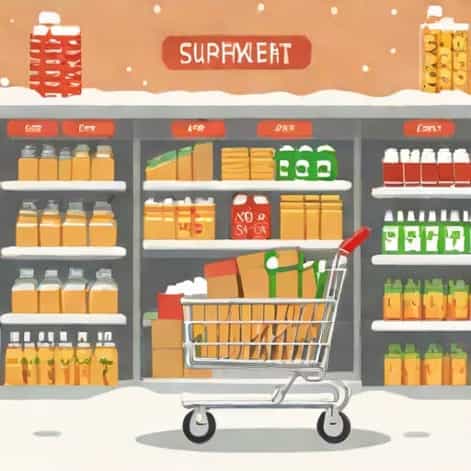
Snowstorms have a unique way of transforming everyday life, and one of the most noticeable effects occurs in supermarkets. As weather forecasts predict heavy snowfall, shoppers often rush to grocery stores, creating a phenomenon commonly referred to as snow panic buying. This behavior involves stocking up on essential items such as bread, milk, bottled water, and canned goods, often in large quantities, as people prepare for the possibility of being homebound for several days. Supermarket aisles quickly become crowded, shelves empty, and the normally calm shopping experience turns into a high-stress event where urgency and scarcity dominate. Understanding the dynamics of snow panic buying can shed light on consumer behavior, supply chain challenges, and the strategies supermarkets use to manage these extreme shopping situations.
What Is Snow Panic Buying?
Snow panic buying is a type of consumer behavior that occurs when individuals respond to impending severe weather conditions by purchasing excessive quantities of essential goods. This behavior is driven by fear of scarcity, uncertainty about supply availability, and the desire to ensure personal and family safety during potentially disruptive snowstorms. While panic buying can occur in other contexts, such as natural disasters or pandemics, it is particularly common in regions that experience heavy snowfalls, where mobility may be restricted and access to resources temporarily limited.
Common Items Purchased During Snow Panic Buying
During snow panic buying events, certain items are consistently in high demand. Shoppers prioritize products that are necessary for daily survival, convenience, and comfort
- Staple FoodsBread, pasta, rice, and canned goods often disappear from shelves quickly.
- Dairy ProductsMilk, cheese, and yogurt are popular due to their use in everyday meals.
- BeveragesBottled water, juice, and hot drinks like coffee and tea.
- Frozen FoodsFrozen vegetables, ready-made meals, and ice cream for long-lasting storage.
- Household EssentialsToilet paper, cleaning supplies, batteries, and flashlights.
- Comfort FoodsSnacks, chocolate, and other indulgences for entertainment and morale.
Psychology Behind Snow Panic Buying
The behavior of panic buying during snowstorms is not purely practical; it is influenced by psychological factors that drive human decision-making. Fear of missing out (FOMO), herd behavior, and stress all contribute to the rush in supermarkets. When shoppers observe empty shelves or see other customers stockpiling items, they may feel compelled to buy more than they initially intended. This self-reinforcing cycle often escalates quickly, leading to significant increases in demand within a short period.
Fear of Scarcity
Scarcity is a powerful motivator. Even if a supermarket is well-stocked, the perception of limited availability can create urgency. This psychological response often results in shoppers purchasing multiple units of each item, far beyond their normal consumption needs, to feel secure that they will not run out during the storm.
Social Influence
Social cues and media coverage also amplify snow panic buying. News reports about heavy snowfall, viral images of empty supermarket aisles, or neighbors talking about stockpiling can trigger similar behavior in other shoppers. This herd mentality leads to widespread panic buying, even when the actual risk may be lower than perceived.
Impact on Supermarkets and Supply Chains
Snow panic buying has notable implications for supermarkets and supply chain management. Retailers face sudden spikes in demand that can strain inventory, staffing, and logistics. The rapid depletion of popular items often requires emergency restocking and can create temporary shortages. Supermarkets must balance customer satisfaction with operational efficiency to manage these peak shopping periods effectively.
Inventory Challenges
Supermarkets prepare for snowstorms by increasing inventory levels, especially for high-demand items. However, the unpredictability of consumer behavior makes precise forecasting difficult. Even well-prepared stores can experience shortages of essential goods when panic buying escalates unexpectedly.
Staffing and Operations
High foot traffic during snow panic buying events places additional pressure on supermarket staff. Cashiers, stockers, and customer service representatives may face long hours and challenging working conditions. Effective management strategies, such as scheduling extra staff and implementing crowd control measures, are critical to maintain smooth operations and ensure a positive shopping experience.
Strategies for Managing Snow Panic Buying
Supermarkets employ various strategies to mitigate the effects of panic buying and ensure fairness for all customers. These measures aim to maintain stock availability, reduce stress, and provide clear communication during high-demand periods.
Purchase Limits
One common strategy is implementing purchase limits on high-demand items. By restricting the number of units per customer, supermarkets can prevent hoarding and ensure that more shoppers have access to essential products. This approach helps maintain equitable distribution during snowstorms.
Early Communication and Stocking
Proactive communication with customers about expected stock levels, store hours, and safety measures can reduce panic buying. Supermarkets also increase inventory and prioritize stocking essential goods in advance of predicted snowstorms to minimize shortages.
Online Ordering and Delivery
Offering online ordering and home delivery services can reduce the pressure on physical stores. Customers can secure necessary items without visiting the crowded aisles, helping to spread demand more evenly and improve overall safety.
Lessons for Shoppers
While snow panic buying may be understandable, there are ways for shoppers to prepare responsibly. Planning ahead, creating shopping lists, and focusing on essential items rather than unnecessary bulk purchases can help reduce stress and prevent supply issues. Sharing resources with neighbors and maintaining a community-minded approach also contributes to a more equitable shopping environment.
Tips for Responsible Shopping
- Check inventory and make a list of truly essential items before visiting the supermarket.
- Shop early to avoid last-minute panic and long queues.
- Purchase only what you need to prevent waste and ensure availability for others.
- Consider online ordering or curbside pickup to minimize in-store crowding.
- Stay informed about weather forecasts but avoid overreacting to social media rumors.
Snow panic buying at supermarkets is a fascinating phenomenon that illustrates human behavior under stress and uncertainty. While fear of scarcity and social influence drive many to stockpile essential goods, supermarkets must balance supply, operations, and customer satisfaction during these high-demand periods. Responsible shopping and effective store management can minimize the negative effects of panic buying, ensuring that communities remain well-provisioned and safe during snowstorms. Understanding the psychological and logistical aspects of snow panic buying allows both consumers and retailers to navigate winter weather challenges more effectively, creating a safer, more organized, and equitable shopping experience for everyone involved.