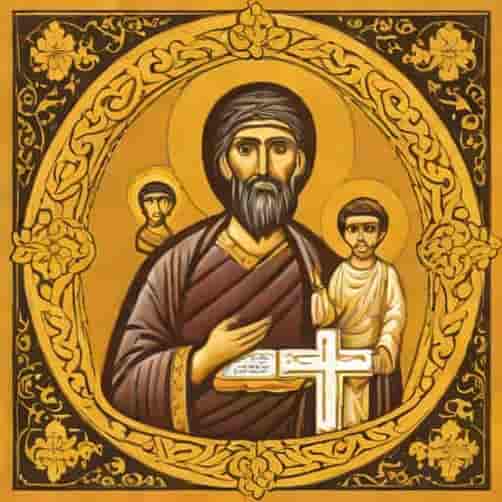
Syriac Christianity is one of the oldest branches of Christianity, with a rich history that dates back to the first centuries of the church. Rooted in the ancient Near East, particularly in regions that are now modern-day Syria, Iraq, and Turkey, Syriac Christianity has preserved unique theological, liturgical, and cultural traditions. It developed alongside early Greek and Latin Christianity but maintained distinct practices, languages, and spiritual expressions. Syriac Christianity is closely associated with the Syriac language, a dialect of Aramaic, which was spoken by Jesus Christ and his earliest followers. Understanding Syriac Christianity provides insight into the diversity of early Christian thought, the development of church traditions, and the ways in which faith has been expressed in different cultural contexts over the centuries.
Origins of Syriac Christianity
Syriac Christianity emerged in the eastern regions of the Roman Empire, particularly in Edessa (modern-day Urfa, Turkey) and surrounding areas. It developed as part of the broader spread of Christianity in the Near East, but with distinctive features shaped by local culture, language, and philosophy. The use of the Syriac language allowed early Christians to communicate the message of Jesus Christ in the vernacular, making the faith more accessible to local communities. Syriac Christianity became known for its deep theological scholarship, ascetic traditions, and vibrant liturgical life.
Early Development and Influence
- The establishment of the Church of Edessa as a center for Christian learning and worship.
- Translation of biblical texts and theological writings into Syriac.
- Influence of Jewish and Aramaic cultural heritage in shaping early Christian thought.
- Connections with the broader Christian world, including Greek-speaking and Latin-speaking communities.
Major Branches of Syriac Christianity
Over time, Syriac Christianity developed several distinct branches, reflecting theological, historical, and political differences. These branches continue to exist today and include both Eastern and Western Syriac traditions. The major branches are
Eastern Syriac Tradition
The Eastern Syriac tradition is primarily associated with the Church of the East, sometimes referred to historically as the Nestorian Church. This tradition spread throughout Persia, India, and Central Asia, becoming a major center of Christian thought and missionary activity. The Church of the East emphasized the dual nature of Christ and maintained unique liturgical practices that distinguished it from Western Christianity.
Western Syriac Tradition
The Western Syriac tradition includes the Syriac Orthodox Church and the Maronite Church. These churches developed in the Levant and emphasize the use of the West Syriac dialect in their liturgy. The Western Syriac churches are known for their rich liturgical hymns, monastic traditions, and theological writings. They have historically played a crucial role in preserving Syriac culture and Christian heritage in the Middle East.
Language and Liturgical Practices
The Syriac language is central to Syriac Christianity. It is a dialect of Aramaic, the language spoken by Jesus and his contemporaries. This language allowed early Christians to communicate their faith effectively to local communities and develop a rich literary tradition. Syriac liturgy is highly structured, combining prayers, hymns, and readings from the Bible in a way that emphasizes the mystery and sacredness of worship. Both Eastern and Western traditions have distinct liturgical rites that reflect their theological and cultural heritage.
Importance of the Syriac Language
- Translation of the Bible into Syriac, known as the Peshitta.
- Development of theological and philosophical literature in Syriac.
- Preservation of ancient Christian prayers, hymns, and rituals.
- Use of Syriac in education and monastic life to transmit religious knowledge.
Liturgical Characteristics
Syriac liturgy is known for its solemnity, symbolism, and poetic language. The liturgical calendar includes feasts, fasts, and celebrations that commemorate key events in the life of Jesus Christ, the Virgin Mary, and the saints. Eastern and Western Syriac rites differ in their hymns, prayers, and ceremonial gestures, but both emphasize the centrality of the Eucharist, the reading of Scripture, and communal prayer.
Theology and Spirituality
Syriac Christianity has contributed significantly to the development of Christian theology. It produced notable theologians, scholars, and monastic writers who explored topics such as the nature of Christ, the Trinity, and the role of the church in the world. Syriac spirituality emphasizes ascetic practices, contemplation, and the pursuit of personal holiness. Monasticism has been a defining feature of Syriac Christian life, providing centers for education, spiritual formation, and social service.
Key Theological Themes
- Christology Understanding the dual nature of Christ in Eastern traditions.
- Trinitarian theology Maintaining a balance between unity and distinction within the Godhead.
- Soteriology Emphasis on salvation through faith, repentance, and ethical living.
- Ecclesiology The role of the church as a community of believers and a spiritual guide.
Monasticism and Ascetic Life
Monasticism has been central to Syriac Christianity, with monasteries serving as centers for spiritual growth, learning, and preservation of religious texts. Ascetic practices, including fasting, prayer, and solitude, are emphasized as ways to deepen communion with God and cultivate moral discipline. Monks and nuns have historically contributed to theological scholarship, education, and the transmission of Syriac Christian culture.
Historical Challenges
Throughout history, Syriac Christianity has faced significant challenges, including persecution, political upheaval, and cultural marginalization. The rise of Islam, the Ottoman Empire, and modern conflicts in the Middle East have all affected the communities of Syriac Christians. Despite these difficulties, Syriac Christianity has preserved its traditions, language, and theological heritage, demonstrating remarkable resilience and adaptability.
Major Historical Events
- Persecution under various regimes, leading to the migration of Syriac Christians.
- Influence of colonial and missionary movements on Syriac Christian communities.
- Modern diaspora communities in Europe, North America, and Australia preserving traditions abroad.
- Efforts to maintain cultural and linguistic heritage amidst changing political landscapes.
Global Influence and Legacy
Today, Syriac Christianity continues to influence both local and global Christianity. Its liturgical, theological, and spiritual traditions contribute to the broader Christian heritage, while diaspora communities help preserve and share Syriac culture worldwide. Scholars study Syriac texts to gain insight into early Christian history, theology, and biblical interpretation. Additionally, the ethical and spiritual teachings of Syriac Christianity continue to inspire believers seeking a deep, contemplative, and morally engaged faith.
Modern Presence
- Active Syriac Christian communities in the Middle East, India, Europe, and North America.
- Preservation of the Syriac language and liturgical practices through churches and educational institutions.
- Global scholarly interest in Syriac theology, literature, and history.
- Interfaith dialogue and cultural exchange facilitated by Syriac Christian organizations.
Syriac Christianity represents a unique and historically rich branch of the Christian faith. With its roots in the ancient Near East, it has preserved distinctive language, liturgy, theology, and spirituality for centuries. Despite historical challenges and modern pressures, Syriac Christian communities continue to maintain their traditions, inspiring believers with their emphasis on faith, moral responsibility, and spiritual depth. Understanding Syriac Christianity provides insight into the diversity of Christian expression, the historical development of early church traditions, and the enduring relevance of faith in shaping ethical and spiritual life across cultures and generations.