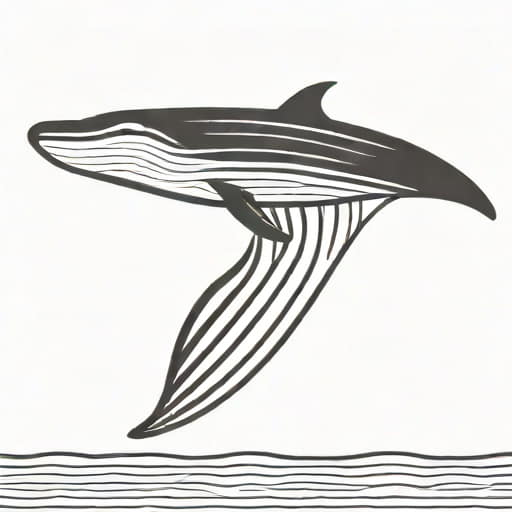
Whale baleen is a unique anatomical feature found in certain species of whales, primarily the baleen whales, that allows them to efficiently filter feed in the ocean. Unlike toothed whales, baleen whales do not have teeth; instead, they possess plates of baleen made of keratin, the same protein found in human hair and nails. These baleen plates hang from the upper jaw and function as a sieve, enabling whales to capture large amounts of small prey such as krill, plankton, and small fish. The study and understanding of whale baleen provide insights into whale feeding behaviors, evolutionary adaptations, and ecological roles in marine environments. Whale baleen has also historically been used by humans for various purposes, although modern conservation efforts have significantly restricted such uses.
Definition of Whale Baleen
Whale baleen refers to the comb-like structures made of keratin that hang from the upper jaws of baleen whales. These plates vary in length, thickness, and fringed texture depending on the species and serve as an efficient filtering system for feeding. As whales swim through swarms of tiny marine organisms, they take in large mouthfuls of water and then close their mouths, pushing the water out through the baleen. The prey is trapped on the fringes of the baleen plates, allowing the whale to swallow it. This adaptation enables baleen whales to consume vast quantities of small prey, supporting their massive size and energy needs.
Structure and Composition
- Made primarily of keratin, a strong and flexible protein
- Composed of long, narrow plates attached to the upper jaw
- Fringed edges form a comb-like surface for trapping prey
- Thickness and length vary among species; some plates can reach several feet
- Durable yet flexible to withstand repeated feeding motions
Function of Whale Baleen
The primary function of whale baleen is to enable filter feeding in marine environments. By using baleen plates, whales can efficiently capture large amounts of small prey without expending excessive energy. This feeding strategy allows species like the blue whale, humpback whale, and gray whale to consume thousands of kilograms of krill or plankton each day. Baleen also plays a role in feeding efficiency and ecological balance, as whales contribute to nutrient cycling and influence the distribution of prey in the ocean.
How Baleen Works
- Whales open their mouths to take in water containing prey
- Water is forced out through the baleen plates while prey is trapped
- Fringed edges act like a sieve, preventing escape of small organisms
- Whales use tongue and mouth muscles to push trapped prey into the throat
- Enables consumption of large quantities of tiny prey efficiently
Types of Baleen Whales
Baleen whales are collectively referred to as Mysticeti and are distinguished by the presence of baleen instead of teeth. Examples of baleen whales include blue whales, humpback whales, gray whales, fin whales, and minke whales. Each species has baleen adapted to its feeding habits, prey size, and habitat. For instance, the blue whale has very long and fine baleen plates suitable for filtering tiny krill, while gray whales have shorter and coarser baleen adapted to benthic feeding on bottom-dwelling organisms.
Examples of Baleen Whale Species
- Blue whale Extremely long and fine baleen for krill filtration
- Humpback whale Medium-length baleen with fringed edges for small fish and plankton
- Gray whale Short, coarse baleen for scooping benthic organisms
- Fin whale Long, narrow baleen for fast swimming and filter feeding
- Minke whale Shorter baleen suited to small schooling fish and plankton
Historical Uses of Baleen
Historically, whale baleen was highly valued by humans for its flexibility and strength. During the 18th and 19th centuries, baleen was commonly referred to as whalebone, though it is not true bone. It was used in a wide variety of products, including corsets, umbrellas, whips, brushes, and hoop skirts. The elasticity of baleen made it particularly useful in fashion and industrial applications. However, overhunting led to significant declines in whale populations, prompting international protections and bans on commercial whaling in many countries.
Historical Applications
- Manufacturing of corsets and hoop skirts
- Umbrella and parasol ribs
- Whips, brushes, and fishing rods
- Flexible support in various industrial products
- Collectibles and art objects in some cultures
Ecological Significance
Whale baleen contributes significantly to the ecological roles of baleen whales. By feeding on krill, plankton, and small fish, baleen whales help regulate prey populations and maintain the balance of marine ecosystems. Their feeding activities also stimulate nutrient recycling, as waste products enrich the surrounding waters, promoting the growth of phytoplankton and supporting the food web. Understanding the function of baleen is therefore essential not only for studying whale biology but also for understanding broader oceanic ecological processes.
Ecological Roles
- Control of prey populations such as krill and plankton
- Nutrient cycling through waste and feeding activity
- Supporting primary productivity by stimulating phytoplankton growth
- Influence on marine food webs and ecosystem stability
- Indicator of ocean health and prey abundance
Conservation and Protection
Due to past overexploitation, many baleen whale populations were severely depleted. International efforts such as the International Whaling Commission (IWC) have implemented protections to conserve these species. Modern conservation focuses on habitat protection, anti-whaling regulations, and monitoring of whale populations. Understanding baleen and its role in feeding ecology is critical for conservation strategies, ensuring that these remarkable filter-feeding giants continue to thrive in the world’s oceans.
Conservation Measures
- International bans on commercial whaling
- Marine protected areas to safeguard feeding grounds
- Research on population health and migration patterns
- Monitoring of environmental changes affecting prey availability
- Public awareness campaigns to support whale conservation
Whale baleen is a fascinating adaptation that enables baleen whales to feed efficiently on small marine organisms while supporting ecological balance in the oceans. Composed of keratin, baleen plates act as natural sieves, allowing whales to filter vast quantities of krill, plankton, and small fish. Beyond its biological function, baleen has historical significance due to its use by humans in fashion and industry, though modern conservation efforts prioritize protecting whale populations. Understanding whale baleen is essential for appreciating the biology, ecology, and conservation of these extraordinary marine mammals, highlighting their critical role in maintaining healthy ocean ecosystems.