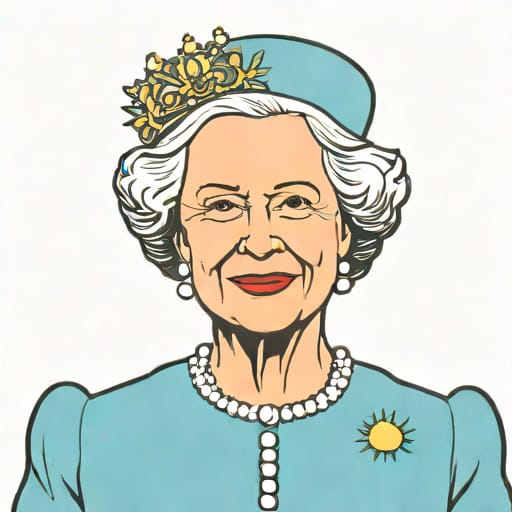
Queen Margrethe II of Denmark surprised many people around the world when she announced her abdication after more than five decades on the throne. For a monarch known for her dedication, creativity, and steady leadership, stepping down marked the end of an era in Danish royal history. While abdication among European monarchs has become more common in recent years, especially as rulers age, Margrethe’s decision still felt unexpected to the public. To understand why she abdicated, it is helpful to look at her long reign, personal motivations, and the changing expectations surrounding modern monarchy. Many observers wondered what led her to pass the crown to the next generation, and exploring those reasons offers insight into leadership, legacy, and family transition within royal life.
Why Did Queen Margrethe Abdicate?
Queen Margrethe abdicated primarily due to age, health considerations, and a desire to ensure smooth succession for the Danish monarchy. After governing as queen for more than 52 years, she chose to retire from her formal responsibilities and hand the throne to her son, Crown Prince Frederik, allowing the next generation to take on royal duties. Her decision came after undergoing back surgery, which influenced her perspective on her long-term ability to serve. Abdication allowed her to step back gracefully while still alive to witness the future of the royal family unfold.
A Look at Her Reign
Margrethe became queen in 1972 following the death of her father, King Frederik IX. She made history as Denmark’s first female monarch under the revised Act of Succession. Throughout her reign, she was known for intelligence, artistic talent, and deep sense of duty. Her leadership spanned decades of cultural and political change, including Denmark’s growing involvement in the European Union, shifts in social values, and increased public interest in the royal family’s role.
Over the years, she gained respect not only in Denmark but also internationally for her thoughtful speeches, involvement in cultural projects, and ability to maintain stability. By the time she abdicated, she had become one of the longest-reigning monarchs in Europe.
Health and Age as Key Factors
One of the clearest reasons for her abdication was health. In recent years, Queen Margrethe underwent significant back surgery. While she recovered and continued her duties, the experience reportedly led her to reflect on the future. Being a monarch involves travel, official appearances, ceremonies, and administrative responsibilities. For someone in her 80s, maintaining this pace became increasingly demanding.
The Physical Demands of Royal Duty
- Constant public engagements and ceremonies
- State meetings, government consultations, and international visits
- Standing for long events and formal occasions
- Travel commitments throughout Denmark and abroad
Given these responsibilities, a long recovery or ongoing medical limitations could affect her ability to perform consistently. Abdication allowed her to step away with dignity instead of reaching a point where health forced the decision unexpectedly.
Passing Responsibility to the Next Generation
Another strong motivation was her desire to transfer the crown while she could support and guide her successor. Crown Prince Frederik had prepared for decades to take the throne. At the time of transition, he was already actively representing Denmark in many functions. By abdicating during her lifetime, Margrethe gave him the opportunity to start his reign with full energy and vision.
This approach mirrors a trend seen in European monarchies where rulers retire instead of staying on the throne until death. Doing so encourages a smooth and modern transfer of power, ensuring continuity and relevance in contemporary society.
Benefits of Early Succession
- Ensures a prepared heir can assume leadership effectively
- Modernizes the tradition of monarchy through planned transition
- Reduces uncertainty during illness or advanced age
- Allows the former monarch to guide and advise privately
Margrethe’s abdication was thoughtful rather than forced, showing wisdom and long-term planning.
The Personal Side of the Decision
Beyond public duty and health concerns, her decision also reflected personal reflection. After decades of service, she may have desired more time for relaxation, art, and family. Queen Margrethe is known for her love of painting, costume design, literature, and translation. Abdication opened the door for her to pursue personal interests without the constant pressure of state duty.
In interviews, she has been described as devoted yet realistic about growing older. Choosing to step down before reaching a state of fatigue demonstrated responsibility toward her country and herself. Retiring from the throne does not remove her from public life completely-she may still attend certain events and remain a respected figure in Denmark.
Royal Abdication in Modern Times
Although abdication was once rare, recent decades show a shift in royal tradition. Kings and queens are increasingly stepping aside after long service. Spain’s King Juan Carlos, Belgium’s King Albert II, and the Netherlands’ Queen Beatrix also abdicated to allow younger heirs to rule. Margrethe’s decision fits within this pattern, emphasizing that monarchy can adapt to modern expectations of leadership.
Abdication helps maintain a positive public relationship. A younger monarch may better engage with digital culture, social change, and evolving national identity. By passing the crown while still healthy, Margrethe strengthens the monarchy’s future rather than risking decline.
Public Reaction to Her Announcement
The announcement received mixed yet emotional reactions. Many Danes expressed gratitude for her lifelong service, admiration for her legacy, and respect for her decision. People also felt sentimental knowing a familiar queen would no longer be the active head of state. However, excitement also surrounded Crown Prince Frederik and his wife, Crown Princess Mary, who became King and Queen, symbolizing renewal and continuity.
Media coverage highlighted her achievements, humor, warmth, and strong connection to Danish culture. The transition ceremony was followed closely, marking an important moment in national history.
Legacy of Queen Margrethe
Queen Margrethe leaves behind a legacy defined by stability, cultural contribution, and modern leadership. Her abdication does not diminish her influence but rather strengthens her story as a monarch who knew when to step down. She demonstrated grace, humility, and wisdom-qualities admired by people beyond Denmark.
Her Major Contributions
- Strengthened Denmark’s image globally
- Encouraged arts and culture through personal creative work
- Modernized royal traditions while preserving heritage
- Guided the nation through political and social change
Future generations will remember her for more than her reign; they will remember her insight in recognizing the right moment to let go.
Queen Margrethe abdicated after 52 years on the throne due to age, health considerations, and the desire to ensure a smooth succession for the Danish monarchy. Her thoughtful decision reflects a modern approach to royal responsibility and highlights her dedication to Denmark’s stability. By stepping aside willingly, she allowed Crown Prince Frederik to take leadership while she could still witness and support the transition. Her legacy endures in the cultural richness she promoted, the continuity she ensured, and the respect she earned throughout her reign. Understanding why she abdicated offers valuable insight into leadership, tradition, and the evolution of monarchy in a changing world.