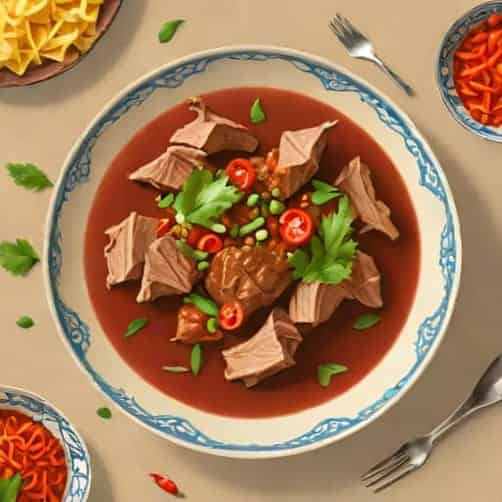
Xinjiang style sauteed lamb is a signature dish from the Xinjiang region of northwest China, known for its bold flavors, rich spices, and tender meat. This dish reflects the cultural heritage of the Uyghur people and their unique culinary traditions, blending influences from Central Asian and Chinese cuisines. Unlike typical Chinese stir-fries, Xinjiang style sauteed lamb emphasizes the natural flavor of the lamb, enhanced by cumin, chili, garlic, and onions. The result is a dish that is aromatic, savory, and slightly spicy, often enjoyed with flatbreads or rice. Its popularity has grown beyond the region, making it a beloved dish in Chinese restaurants worldwide. Understanding Xinjiang style sauteed lamb involves exploring its ingredients, cooking techniques, cultural significance, and tips for making it at home.
History and Cultural Background
The origins of Xinjiang style sauteed lamb are deeply rooted in the Uyghur culture, which has a rich history of pastoralism and trade along the Silk Road. Lamb has long been a staple protein in Xinjiang due to the region’s nomadic lifestyle and livestock farming. Over centuries, the Uyghur people developed cooking methods that highlighted the flavor of lamb, combining it with spices and ingredients introduced through trade with Central Asia, Persia, and India. Sauteed lamb became a popular dish because it is quick to cook, preserves the meat’s tenderness, and brings out its natural taste while adding layers of aromatic complexity.
Ingredients Used in Xinjiang Style Sauteed Lamb
The dish relies on a simple yet flavorful combination of ingredients, each contributing to its distinctive taste
- Lamb Usually boneless leg or shoulder meat, cut into thin slices or small cubes for even cooking.
- Spices Cumin seeds, ground cumin, chili flakes, and black pepper are essential for the authentic flavor.
- Aromatics Garlic, ginger, and onions add depth and fragrance to the dish.
- Vegetables Bell peppers, green onions, and sometimes tomatoes provide freshness and color.
- Oil Typically vegetable or sesame oil, used to sauté the meat and spices for maximum flavor.
These ingredients combine to create a dish that is both savory and aromatic, with a balance of heat, earthiness, and umami. The choice of lamb and the freshness of spices play a key role in the final taste, making Xinjiang style sauteed lamb a dish that is simple to prepare but rich in flavor.
Cooking Techniques
The method of cooking Xinjiang style sauteed lamb is designed to preserve the tenderness of the meat while infusing it with bold flavors. The basic steps include marinating, sautéing, and stir-frying at high heat. Marinating the lamb with a small amount of soy sauce, cooking wine, or cornstarch can enhance tenderness and flavor. Sautéing in a hot wok or skillet ensures that the lamb cooks quickly, sealing in juices and creating a slightly crispy exterior. Spices and aromatics are added during cooking to release their oils and aroma, resulting in a dish that is both fragrant and richly flavored.
Step-by-Step Cooking Process
- Marinate the lamb slices with a little soy sauce, cornstarch, and cooking wine for 15-30 minutes.
- Heat oil in a wok or large pan over high heat until shimmering.
- Add cumin seeds and stir-fry briefly to release their aroma.
- Add garlic, ginger, and onions, cooking until fragrant and slightly golden.
- Add the lamb slices and stir-fry quickly to sear the meat while keeping it tender.
- Add chili flakes, ground cumin, and other spices, mixing evenly.
- Stir in vegetables such as bell peppers or green onions, cooking until slightly tender but still crisp.
- Season with salt, pepper, or soy sauce as desired, then serve hot.
Flavor Profile
Xinjiang style sauteed lamb is known for its robust and aromatic flavor profile. The lamb provides a rich, meaty base, complemented by the warm, earthy taste of cumin and the gentle heat from chili flakes. Garlic and ginger add pungency and freshness, while onions contribute sweetness and texture. The combination of stir-frying at high heat and using aromatic spices creates a balance between smoky, spicy, and savory flavors. This dish is often served with hand-pulled flatbreads or steamed rice to balance the intensity of the spices and provide a satisfying meal.
Serving Suggestions
Xinjiang style sauteed lamb is versatile in how it can be served
- Traditional Served with flatbread, allowing diners to scoop up the lamb and enjoy it as a wrap.
- Modern Paired with steamed rice or noodles for a more contemporary presentation.
- Accompaniments Garnished with fresh cilantro, green onions, or sesame seeds to add freshness and visual appeal.
- Side Dishes Often enjoyed alongside simple vegetable stir-fries or pickled vegetables to balance the richness of the lamb.
Regional Variations
While the basic preparation of Xinjiang style sauteed lamb remains consistent, regional variations exist. Some versions are spicier, with an increased amount of chili or pepper, while others focus more on cumin and aromatic herbs. Certain recipes incorporate additional vegetables or nuts, such as bell peppers, carrots, or cashews, to add texture and flavor. Despite these variations, the essence of the dish-a focus on tender lamb infused with fragrant spices-remains the same.
Health Considerations
Xinjiang style sauteed lamb can be a nutritious and balanced dish when prepared with lean cuts of lamb and fresh vegetables. Lamb is rich in protein, iron, and essential vitamins, while the use of spices like cumin and chili can aid digestion and boost metabolism. Controlling the amount of oil and balancing it with vegetables can make this dish suitable for a healthy diet. For those seeking lower-fat options, leaner cuts of lamb or trimming excess fat before cooking can help maintain the flavor while reducing calorie content.
Popularity and Global Appeal
The popularity of Xinjiang style sauteed lamb has grown beyond China, as global diners discover its bold flavors and cultural richness. Many Chinese restaurants around the world feature this dish, and it has become a favorite for those seeking authentic and flavorful meat-based meals. Food enthusiasts often appreciate the balance of spices, tenderness of the lamb, and the cultural heritage it represents. Its appeal lies in its simplicity, aromatic spices, and the ability to deliver a rich culinary experience without overly complex ingredients or techniques.
Tips for Making at Home
- Use fresh, high-quality lamb for the best flavor and tenderness.
- Toast cumin seeds in oil before adding aromatics to enhance their aroma.
- Cook at high heat to sear the meat quickly while keeping it juicy.
- Adjust the amount of chili and cumin to suit personal taste preferences.
- Serve immediately to enjoy the dish at its most aromatic and flavorful state.
Xinjiang style sauteed lamb is a classic example of the rich culinary heritage of the Xinjiang region. Its combination of tender lamb, fragrant cumin, chili, garlic, and fresh vegetables creates a dish that is both flavorful and satisfying. The preparation emphasizes simplicity, quick cooking, and careful use of spices, reflecting the traditions of the Uyghur people. Whether enjoyed with flatbreads, rice, or noodles, this dish provides a memorable dining experience that celebrates bold flavors and cultural authenticity. For anyone looking to explore the diverse world of Chinese cuisine, Xinjiang style sauteed lamb offers a perfect introduction to the vibrant, aromatic, and delicious dishes of northwest China.