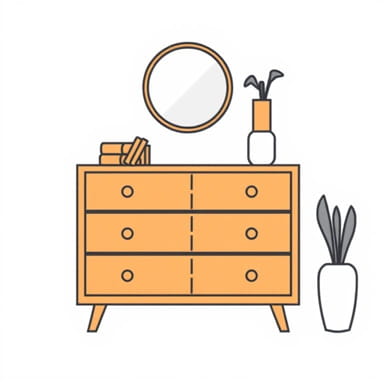
When learning a new language like Spanish, everyday objects often become fascinating entry points into culture and vocabulary. One such object is the dresser. While it may seem like a simple piece of furniture, understanding how to say and use ‘the dresser’ in Spanish opens a window into practical language skills, regional differences, and daily life expressions. This topic will explore the various translations of ‘dresser’ in Spanish, the cultural nuances behind them, and how to use related vocabulary in real-life scenarios. Whether you’re learning Spanish for travel, work, or personal growth, this guide will help you master the usage of ‘the dresser’ in Spanish.
Understanding the Word Dresser in Spanish
The English word dresser has multiple meanings, which is why translating it into Spanish isn’t always straightforward. Depending on the context, dresser can refer to a piece of furniture, a person who dresses others (such as in theater), or even someone concerned with fashion. For the sake of clarity, we’ll break these meanings down one by one.
1. The Furniture: El Tocador and La Cómoda
When referring to a piece of bedroom furniture, such as a cabinet or chest of drawers used for storing clothes, there are two common Spanish terms:
- El tocador– Often refers to a dressing table, especially one with a mirror. It is more feminine and stylish in tone.
- La cómoda– This is the most direct translation for a chest of drawers or a clothes dresser. It’s the term used most often in Latin American countries.
Example sentence: Guarda tus camisetas en la cómoda, por favor.(Put your T-shirts in the dresser, please.)
2. The Theater or Costume Dresser: Vestuarista
In theater and television, a dresser refers to someone who helps actors change costumes. In Spanish, this role is usually called:
- El vestuarista– This refers to the person responsible for wardrobe and costume changes.
Example sentence: El vestuarista ayudó al actor a cambiarse entre escenas.(The dresser helped the actor change between scenes.)
3. The Fashion Context: Persona que se viste bien
In a casual context, when referring to someone as a good dresser, you’re commenting on their fashion sense. In Spanish, this is usually expressed through phrases rather than a single noun.
Example sentence: Ella es una persona que se viste muy bien.(She is someone who dresses very well.)
Regional Variations in Spanish
Spanish is spoken in many countries, and regional differences can affect which word is most appropriate. For example, in Spain, the word cómoda is common, but some people might also use cómoda con cajones (dresser with drawers) to be more descriptive. In Mexico and most of Latin America, la cómoda is standard for a dresser used to store clothes, while tocador refers more to a vanity or dressing table with a mirror.
In some countries, people might use household terms interchangeably depending on personal habits, so listening for context is always important.
Other Furniture Vocabulary Related to Dresser
To expand your knowledge, it helps to learn other words often associated with a dresser in a bedroom:
- El espejo– the mirror
- El armario– the closet
- La gaveta / el cajón– the drawer
- La mesa de noche / el buró– nightstand
These words will help you better describe your room or household layout in Spanish conversations.
Using The Dresser in Spanish Sentences
To get more comfortable using the term dresser in Spanish, practice with example sentences. Here are a few to get started:
- Los calcetines están en la cómoda.(The socks are in the dresser.)
- El espejo está sobre el tocador.(The mirror is on the dressing table.)
- Compramos una cómoda nueva para el dormitorio.(We bought a new dresser for the bedroom.)
- El vestuarista arregló el traje del actor rápidamente.(The dresser fixed the actor’s suit quickly.)
Common Mistakes and Clarifications
One common mistake learners make is confusing tocador with baño (bathroom). In some Latin American countries, tocador can sometimes mean bathroom or powder room, especially in formal settings. However, in most contexts, especially when discussing furniture, tocador clearly refers to the vanity-style dresser.
Also, avoid using the direct English-to-Spanish translation el vestidor to mean dresser. In Spanish, vestidor usually refers to a walk-in closet or dressing room, not a piece of furniture.
Describing Your Room in Spanish
If you’re learning how to describe your house or bedroom in Spanish, incorporating words like la cómoda and el tocador can be very helpful. Here’s an example of a full description:
En mi habitación tengo una cama, dos mesas de noche, una cómoda blanca con seis cajones, y un tocador con espejo. También hay un armario grande para la ropa.(In my room, I have a bed, two nightstands, a white dresser with six drawers, and a vanity with a mirror. There’s also a big wardrobe for clothes.)
Tips for Memorizing the Vocabulary
Here are a few suggestions to help remember the different terms for ‘dresser’ in Spanish:
- Create flashcards for la cómoda, el tocador, and el vestuarista.
- Label your furniture at home with sticky notes in Spanish.
- Use the words in sentences about your daily routine.
- Watch Spanish-language home tours or interior design videos for exposure.
Mastering The Dresser in Spanish
Understanding how to say the dresser in Spanish whether as la cómoda, el tocador, or el vestuarista gives you more than just a translation. It enriches your vocabulary with cultural relevance and context-specific usage. Knowing the difference between a dresser for clothes, a dressing table with a mirror, and a theater costume assistant in Spanish allows for clearer, more natural communication.
As you continue to expand your Spanish language skills, don’t overlook the power of everyday objects like the dresser. These words help build a strong foundation in conversation and comprehension, bringing you closer to fluency and cultural connection.