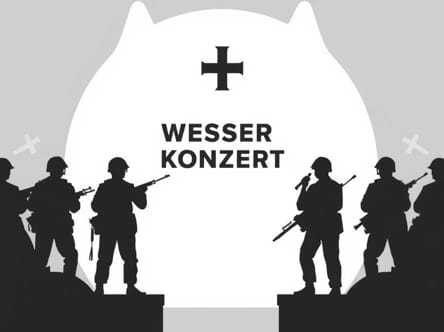
In the midst of World War II, as Europe was engulfed in conflict, Germany developed a variety of propaganda tools to maintain morale and loyalty among its soldiers and civilians. One such cultural and media initiative wasWunschkonzert für die Wehrmacht, a powerful radio program that connected front-line troops with the home front through music and messages. Far more than just entertainment, this broadcast held deep psychological, emotional, and propagandistic significance for Nazi Germany during the war. Understanding the nature and impact ofWunschkonzertoffers a unique lens through which to explore media, nationalism, and morale during wartime.
Origins and Structure of Wunschkonzert
Wunschkonzert für die Wehrmacht(Request Concert for the Armed Forces) began airing in 1939, soon after the outbreak of war. It was produced by the German radio network, Reichs-Rundfunk-Gesellschaft, and quickly became one of the most popular programs in Nazi Germany. The show was built around musical requests sent in by German soldiers and their families, creating a sentimental and emotional link between those at war and those at home.
The format of the show was relatively simple but highly effective. Listeners could submit song requests and personal messages to be read on air. The selected pieces often included traditional folk songs, classical music, and even popular hits of the day. Sometimes, letters from soldiers or their families were read aloud, enhancing the sense of personal connection. This broadcast acted as a symbolic reunification of families temporarily separated by war.
Emotional Appeal and Propaganda Value
The emotional power ofWunschkonzert für die Wehrmachtcannot be overstated. It served as a source of comfort for soldiers, reminding them of home, family, and national values. At a time when many Germans faced uncertainty, fear, and fatigue, the program offered a sense of normalcy and continuity. But behind the sentimentality lay a carefully curated effort to reinforce loyalty to the regime and support for the war.
The show functioned as a propaganda tool that subtly reinforced ideas of sacrifice, unity, and heroism. By broadcasting messages that emphasized patriotism and emotional endurance, the program maintained morale and contributed to the ideological goals of the Nazi regime. It painted an idealized image of the German soldier as noble, beloved, and spiritually connected to the homeland.
Connection with Nazi Ideology
The program’s content was aligned with broader Nazi ideological goals. While it appeared to be a sentimental broadcast, it often included speeches or announcements that reinforced the themes of Aryan unity, military honor, and national destiny. The selection of songs, especially German folk and classical pieces, served to highlight cultural purity and pride hallmarks of Nazi cultural policy.
Moreover, the show deliberately avoided broadcasting content that could reflect the hardships or brutal realities of war. Instead, it highlighted uplifting and idealistic images of the German nation. This strategic narrative manipulation played a role in sustaining public support for the war, even during its most challenging phases.
Role of Women and the Home Front
Wunschkonzert für die Wehrmachtalso portrayed women in a very specific role guardians of the home and moral support for fighting men. Messages from wives, mothers, and sisters were often broadcast, emphasizing their role in maintaining the emotional strength of the nation. These messages reinforced the Nazi gender ideology that saw women primarily as homemakers and supporters of the warrior state.
The inclusion of such messages served not only to comfort soldiers but also to remind the civilian population of their duties. Women were urged to remain strong and cheerful, to support war production, and to raise patriotic children. In this sense, the program became a vehicle for spreading both emotional comfort and ideological expectations.
Cultural Impact and Legacy
By 1941,Wunschkonzertwas reaching millions of listeners each week and had become a centerpiece of German radio culture. It was even adapted into a feature film titledWunschkonzertin 1940, which dramatized the power of the show in uniting a soldier and his lover. The film became one of the most successful propaganda movies in Nazi cinema and further cemented the show’s status as a national institution.
The success ofWunschkonzert für die Wehrmachtdemonstrated the importance of mass media in modern warfare. Radio, as an accessible and immediate form of communication, became a bridge between the battlefield and the living room. The program’s influence extended well beyond entertainment, shaping public sentiment and psychological resilience.
Music Selection and Symbolism
The music played during the broadcast carried its own symbolic meaning. Folk songs spoke of a pure, rural Germany. Military marches instilled pride and discipline. Romantic ballads allowed a brief escape from the grim reality of war. These musical choices were carefully curated to evoke specific emotions and to encourage a narrative of national unity and perseverance.
- German folk music represented cultural roots and national identity.
- Classical music emphasized intellectual and artistic superiority.
- Popular tunes connected soldiers with their past lives and communities.
Decline and End of the Broadcast
As the war turned against Germany, the tone ofWunschkonzert für die Wehrmachtgradually shifted. Broadcasts became more solemn, though still laced with hope and perseverance. The increasing hardships, including bombing campaigns on German cities and massive losses at the front, made it difficult to maintain the optimistic tone the program had long embraced.
By the final years of the war, resources for entertainment had diminished, and censorship increased. The radio broadcast ended shortly before the fall of Nazi Germany in 1945. However, its cultural legacy remains an important example of how music, media, and propaganda intersect during wartime.
Historical Interpretation
In the post-war period, historians have analyzedWunschkonzertas part of the larger apparatus of Nazi media control. It was more than a sentimental program it was a calculated psychological tool used to sustain a war of unprecedented scale. Its study reveals how even the seemingly harmless sphere of entertainment can be deeply political in a totalitarian system.
The emotional resonance ofWunschkonzert für die Wehrmachtoffers a window into the lives and minds of people who lived through war, providing valuable insight into the cultural techniques used to manage large populations in times of crisis. It stands as a case study in the complex dynamics between media, morale, and ideology.
Wunschkonzert für die Wehrmachtwas more than just a radio program; it was a strategic weapon of emotional influence, carefully constructed to maintain morale and promote national unity. Through music and messages, it shaped the psychological landscape of wartime Germany. Its success illustrates the power of media in shaping public consciousness, especially during conflict. As such, the broadcast remains a significant cultural artifact from one of the most turbulent periods in modern history.