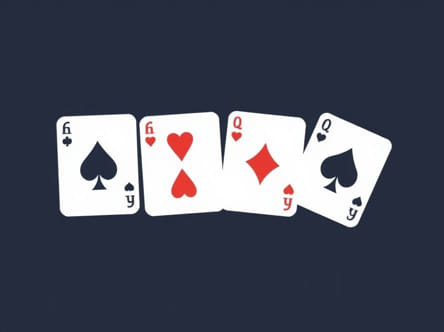
Among classic trick-taking card games, Euchre stands out as one of the most social and fast-paced games still played widely across North America, especially in the Midwest and parts of Canada. Often played by four people split into two partnerships, Euchre has a loyal following thanks to its quick rounds, strategic depth, and unique mechanics like the concept of trump suits and the powerful Bower cards. Whether you’re new to the game or looking to refresh your knowledge, understanding the rules, strategies, and culture around Euchre can enhance your appreciation and skill in this timeless game.
Overview of Euchre
Origins and History
Euchre has its roots in 19th-century Europe, with strong influences from German and French trick-taking games. It was brought to the United States by European immigrants and quickly became a staple game in households and social gatherings. Though its popularity has fluctuated over time, it remains a beloved regional pastime.
Basic Equipment and Setup
To play Euchre, you need a standard 24-card deck made by using the 9, 10, J, Q, K, and A from each suit. In some variations, the joker is included as a special trump card, referred to as the Benny. The game is typically played with four players split into two teams seated opposite each other.
- Deck: 24 cards (sometimes 25 with a joker)
- Players: 4 (two teams of two)
- Goal: Be the first team to reach 10 points
Gameplay Mechanics
Dealing and Bidding
The dealer gives out five cards to each player in two rounds (typically 3 cards, then 2 cards). The next card is turned face-up to initiate the bidding phase. Players take turns deciding whether the suit of the face-up card will be the trump suit or to pass. If all pass, players then choose a trump suit from the remaining ones. If no suit is selected after this second round, the cards are reshuffled and re-dealt.
The Trump Suit and Bowers
In Euchre, the selected trump suit becomes dominant for the round. What sets Euchre apart is the role of the Bowers. The highest trump card is the Jack of the trump suit, called the Right Bower. The second-highest is the Jack of the same color from the other suit, known as the Left Bower. For example, if Spades is trump, then the Jack of Spades is the Right Bower, and the Jack of Clubs is the Left Bower.
Playing the Hand
The player to the left of the dealer leads the first trick, and play proceeds clockwise. Players must follow suit if possible. If a player cannot follow suit, they may play any card, including a trump card. The highest card in the suit led wins the trick, unless a trump is played. If trump is played, the highest trump card wins.
Scoring
- If the team that called trump wins 3 or 4 tricks: 1 point
- If the team wins all 5 tricks: 2 points (called a march)
- If the opposing team wins more tricks than the callers: 2 points (called being euchred)
- If a player goes alone and wins all 5 tricks solo: 4 points
First team to reach 10 points wins the game.
Key Strategies in Euchre
Trump Management
Properly managing your trump cards is essential. Use lower trump cards early to draw out opponents’ higher trumps or save your high trumps for critical tricks. Recognizing when to use your trump or hold back is the cornerstone of good Euchre play.
Going Alone
If you have a particularly strong hand, you may choose to go alone, meaning your partner sits out for the round. This can score more points, but it’s also riskier. Ideally, you should only go alone when you hold both Bowers and at least one Ace or King in another suit.
Leading with Strength
If you’re first to lead and your team has named trump, it’s often wise to lead with a strong card in trump. If you’re defending, leading with a suit not held by the Right Bower can help lure trump cards from your opponents and control the pace of play.
Reading the Table
Paying attention to what’s been played can give clues about what cards remain in your opponents’ hands. Keeping mental notes on suits and whether trump has been played can give your team a better chance to control the round.
Popular Variations of Euchre
Like many classic games, Euchre has inspired several popular variants. These can range from house rules to regional adaptations.
Progressive Euchre
Common at social events and fundraisers, Progressive Euchre involves rotating partners and opponents after each round, often using a scorecard to keep track of individual progress. This adds a social and competitive twist to the game.
Bid Euchre
Sometimes referred to as ‘Pepper,’ this version adds an auction-style bidding phase. Players bid on how many tricks they think they can take, often in combination with their choice of trump suit. It adds complexity and requires more advanced strategic thinking.
Farmer’s Hand Rule
To prevent poor hands from ruining a round, some groups allow a redeal if a player has no face cards (J, Q, K, A). This helps balance the game and keep things interesting, especially for newcomers.
The Culture of Euchre
Part of what makes Euchre so beloved is the culture that surrounds it. It’s not just a card game it’s a social activity. It’s played in garages, community centers, family gatherings, and bars. Euchre nights often come with food, friendly rivalries, and plenty of table banter.
Midwestern Tradition
States like Michigan, Indiana, Ohio, and parts of Ontario in Canada are hotspots for Euchre. Many people learn the game as children and continue playing well into adulthood. Euchre tournaments are not uncommon and offer prizes or bragging rights within local communities.
Digital and App Versions
In the modern era, Euchre has found a home online. Several apps and websites allow people to play Euchre with friends or against AI opponents. These platforms help keep the game alive among younger audiences and long-distance friends and family.
Why Euchre Still Matters
Despite being overshadowed by newer games or more complex ones like bridge or poker, Euchre remains an important cultural pastime. It’s fast to learn but takes time to master. It brings people together, encourages strategic thinking, and doesn’t require hours to play. For many, Euchre is less about winning and more about connection, fun, and tradition.
The card game Euchre is more than just a casual distraction it’s a beloved tradition, a gateway into card strategy, and a social ritual that bonds friends and families. From its unique mechanics like the Bowers and trump suits to the fast-paced and competitive gameplay, Euchre offers an experience unlike any other card game. Whether you’re just learning the rules or have played for decades, there’s always more to discover in the world of Euchre. So grab a partner, shuffle the deck, and join in on one of the most cherished card games in North America.