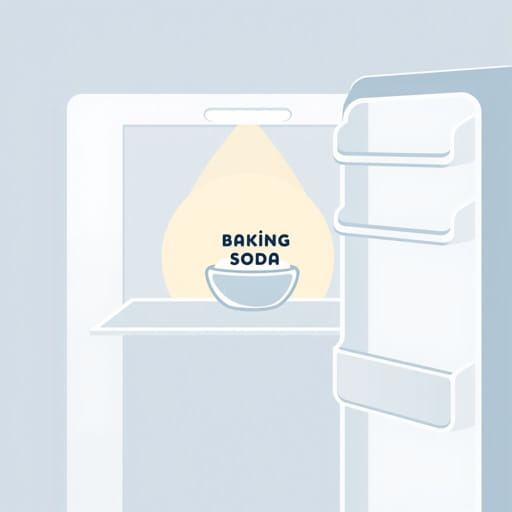
A refrigerator is one of the most used appliances in any home, but over time, it can develop unpleasant odors from leftover food, spills, or expired items. One of the most effective, inexpensive, and natural solutions to this common problem is using baking soda to deodorize the fridge. This simple household item has powerful odor-neutralizing properties that help keep your fridge smelling fresh and clean. Whether you’re dealing with strong food smells or just want to maintain freshness, baking soda is an easy fix that works without relying on harsh chemicals or synthetic air fresheners.
Why Baking Soda Works to Eliminate Odors
Baking soda, also known as sodium bicarbonate, is a natural compound with mildly alkaline properties. Its unique chemical structure allows it to react with both acids and bases, which makes it an effective odor absorber. Unlike air fresheners that only mask bad smells, baking soda neutralizes them by balancing pH levels. This means it doesn’t just cover up the odor it actually eliminates the source of it.
Common Odors in Refrigerators
- Spilled milk or juice that wasn’t cleaned properly
- Rotten fruits or vegetables forgotten in the drawers
- Leftovers stored too long
- Strong-smelling foods like onions, garlic, or fish
- Mold or mildew due to moisture buildup
All of these smells can be effectively managed by incorporating baking soda into your fridge maintenance routine.
How to Use Baking Soda in the Fridge
There are several methods for using baking soda to deodorize your refrigerator, depending on the level of odor and your preferences. Here are the most effective approaches:
1. Open Box Method
The simplest way to deodorize your fridge is to open a box of baking soda and place it on one of the shelves. This allows the powder to absorb odors from the surrounding air over time. Most people leave it near the back of the fridge or on the top shelf where it won’t be disturbed. Be sure to:
- Use a fresh, unopened box of baking soda
- Leave the top completely open
- Replace the box every 30 to 60 days
2. Pour-and-Spread Method
For more surface area and stronger odor absorption, pour baking soda into a shallow dish or container. Spread it out evenly and place it in the fridge. This exposes more of the baking soda to the air, allowing it to absorb more smells. Make sure the container is stable and out of the way of everyday items.
3. Deodorizing After a Spill or Rot
If your fridge has a particularly strong odor from spoiled food or a long-forgotten item, you may need to clean it first. After removing the source of the smell and wiping down the interior, leave an open dish of baking soda overnight. For extra strength, you can place multiple dishes of baking soda on different shelves.
Tips for Maximum Effectiveness
To get the best results from using baking soda in the fridge, consider these helpful tips:
- Don’t reuse the baking soda: After it has absorbed odors, discard the used baking soda. Do not use it for cooking or other purposes.
- Label the box: Write the date you placed it in the fridge so you know when it’s time to replace it.
- Keep it dry: Moisture reduces the effectiveness of baking soda, so avoid placing it in very humid spots inside the fridge.
- Use it in the freezer too: Baking soda works just as well in the freezer. Consider placing another container there for full coverage.
Cleaning Your Fridge with Baking Soda
In addition to deodorizing, baking soda can also be used as a cleaning agent for your refrigerator. Its gentle abrasiveness and odor-neutralizing power make it ideal for wiping down surfaces.
Steps to Clean with Baking Soda
- Remove all food and shelves from the fridge.
- Mix a solution of 2 tablespoons of baking soda with 1 quart of warm water.
- Use a clean sponge or cloth to wipe down all surfaces inside the fridge.
- Rinse with a damp cloth and dry with a towel.
- Place a fresh container of baking soda back into the fridge when done.
This method not only removes stains and food residues but also helps freshen the air inside the fridge naturally.
Alternatives and Enhancements
While baking soda is highly effective on its own, some people choose to combine it with other natural odor absorbers for enhanced freshness. Here are a few ideas:
- Activated charcoal: Works similarly to baking soda and can be used in conjunction.
- Coffee grounds: Absorbs odors and leaves a subtle scent behind.
- Lemon slices: Adds a fresh, citrusy smell to the fridge, especially when paired with baking soda.
However, it’s important not to overcrowd the fridge with too many odor absorbers. Choose one or two natural methods to avoid interference with food smells.
Signs It’s Time to Replace the Baking Soda
Although baking soda is long-lasting, it doesn’t work forever. Here are some indicators that it’s time for a fresh box:
- Food smells start returning or linger longer
- The baking soda has absorbed moisture and is clumped
- More than two months have passed since placing it
Regular replacement ensures consistent odor control and helps maintain a clean-smelling fridge.
Benefits of Using Baking Soda
Using baking soda to deodorize your fridge offers many advantages over commercial air fresheners or deodorizers. These include:
- Non-toxic and safe: Baking soda is food-safe and chemical-free, making it ideal for food storage environments.
- Affordable: A box of baking soda costs only a fraction of specialized deodorizers.
- Eco-friendly: It’s biodegradable and doesn’t add synthetic chemicals to your kitchen.
- Multi-purpose: Can be used for cleaning, baking, and deodorizing around the home.
Dealing with refrigerator odors doesn’t require expensive products or complicated solutions. Using baking soda to deodorize the fridge is a proven, safe, and cost-effective method that works for every household. Whether you place an open box inside or use it for a deep cleaning session, this versatile ingredient can help keep your fridge smelling fresh and inviting. Regular maintenance and timely replacement of your baking soda supply will ensure ongoing freshness, reduce waste, and contribute to a healthier kitchen environment.