The Union of Russia and Ukraine Tercentenary in 1954 marked a symbolic moment in the historical narrative constructed by the Soviet Union. This anniversary commemorated 300 years since the 1654 Pereiaslav Agreement, a treaty often portrayed by Soviet historians as a voluntary and fraternal unification between Russia and Ukraine. However, beneath the celebratory façade lay complex political intentions, cultural implications, and contested interpretations that continue to stir discussions in historical and geopolitical circles. Understanding this tercentenary celebration provides crucial insight into Soviet propaganda, national identity formation, and the roots of modern tensions between Russia and Ukraine.
Historical Background of the Pereiaslav Agreement
The Cossack Hetmanate and Russian Alliance
In the mid-17th century, Ukraine was in turmoil due to conflicts involving the Polish-Lithuanian Commonwealth, the Ottoman Empire, and internal strife. Bohdan Khmelnytsky, leader of the Cossack Hetmanate, sought protection and military support. In 1654, he convened a council in Pereiaslav where the Ukrainian Cossacks pledged allegiance to the Russian Tsar. This event, the Pereiaslav Agreement, was intended as a military alliance rather than full integration.
Historians debate whether this was a union or a temporary pact. While Moscow interpreted it as subordination, many Ukrainians believed it was a contract among equals. The implications of this divergent understanding would resonate through centuries, influencing Ukrainian-Russian relations profoundly.
Integration and Loss of Autonomy
Over time, the initial autonomy granted to Ukraine under the agreement eroded. The Russian Empire increasingly centralized authority, diminished local self-rule, and imposed Russian language and Orthodox religious policies. By the 18th century, the Hetmanate was abolished, and Ukraine became fully integrated into the Russian Empire. The narrative of unity grew more one-sided, shaped by imperial interests rather than mutual respect.
Soviet Framing of the Tercentenary
A Celebration of Brotherhood
In 1954, the Soviet government used the Union of Russia and Ukraine Tercentenary as a means to promote unity among its republics. Celebrations included mass parades, commemorative stamps, cultural events, and scholarly publications that emphasized the ‘eternal friendship’ between Russians and Ukrainians. The Soviet narrative depicted the 1654 event as a willing and harmonious union, omitting the subsequent loss of Ukrainian autonomy and suppressing alternative perspectives.
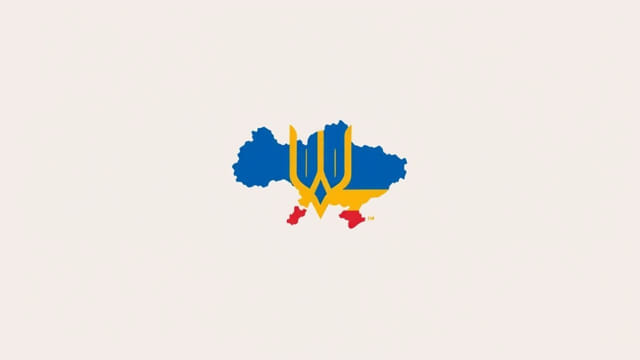
One of the most symbolic gestures during this time was the transfer of Crimea from the Russian Soviet Federative Socialist Republic to the Ukrainian Soviet Socialist Republic. Though seemingly administrative, it was a strategic move framed as a gift in honor of the tercentenary, and it would have long-term geopolitical consequences.
Political Motives and Propaganda
The 1954 tercentenary occurred during the post-Stalin era under Nikita Khrushchev. The commemoration aimed to reinforce the idea of unity and loyalty within the USSR. By glorifying the historical ties between Russia and Ukraine, Soviet leaders sought to stifle rising nationalist sentiments in the republics and maintain central control over the union.
Educational institutions, museums, and public media were all harnessed to spread the official version of history. Ukrainian cultural identity was tolerated only insofar as it aligned with Soviet values, and historical scholarship was strictly controlled to support the unity narrative.
Cultural and Ideological Impact
Reshaping Historical Memory
The tercentenary deeply influenced historical memory in both Russia and Ukraine. Soviet textbooks began to teach that the Pereiaslav Agreement was a milestone of progress and liberation for Ukraine. This portrayal downplayed Ukrainian resistance to Russian dominance and omitted episodes such as the liquidation of the Cossack elite and repressions of Ukrainian intelligentsia.
This ideological manipulation had lasting consequences. Many generations of Ukrainians were raised with this skewed historical narrative, complicating their understanding of national identity and their country’s past struggles for sovereignty.
Legacy in Monuments and Place Names
The 300th anniversary also inspired numerous physical memorials and changes to the urban landscape. Cities and streets were renamed to reflect Russian-Ukrainian unity, and monuments were erected to commemorate the Pereiaslav Agreement. These symbols reinforced the narrative in public spaces, serving as daily reminders of the state-sanctioned version of history.
Modern Reflections and Repercussions
The Shift After Independence
After the collapse of the Soviet Union in 1991, Ukraine gained independence and began to reexamine its past. Historians revisited the events of 1654 and the tercentenary of 1954 with a more critical lens. The portrayal of the Pereiaslav Agreement shifted from a celebration of union to a symbol of lost sovereignty and colonial subjugation.
Public opinion in Ukraine became increasingly aware of the manipulation of history for political gain. School curricula were revised, and new historical research challenged Soviet-era myths. The reassessment of national heroes and events gained momentum, marking a clear departure from Soviet ideological constructs.
The Crimea Question
The transfer of Crimea in 1954, initially framed as a symbolic gesture of unity, gained unexpected relevance in the 21st century. Following the annexation of Crimea by Russia in 2014, debates over the legality and motivation of the 1954 transfer intensified. Critics argue that the move was never meant to be permanent and was exploited by Russia to justify territorial claims.
This controversy highlights the long-term impact of Soviet-era decisions and the importance of historical context in modern international relations. The tercentenary, once viewed as a festive occasion, is now scrutinized as a moment that concealed deeper political motives and set the stage for future conflicts.
The Union of Russia and Ukraine Tercentenary in 1954 was more than a commemoration it was a calculated political exercise designed to reinforce Soviet control and reshape historical narratives. While it celebrated an event from 1654, the real significance of the tercentenary lay in how it distorted the past to serve the present. It painted a picture of eternal unity while ignoring the erosion of Ukrainian autonomy and culture.
Today, the legacy of the tercentenary is viewed through a different lens. What was once heralded as a symbol of friendship is now often seen as a marker of domination and historical revisionism. As Ukraine continues to assert its independence and reclaim its history, the lessons from the 1954 tercentenary serve as a reminder of the power of narrative in shaping nations and the importance of seeking truth beyond the official story.