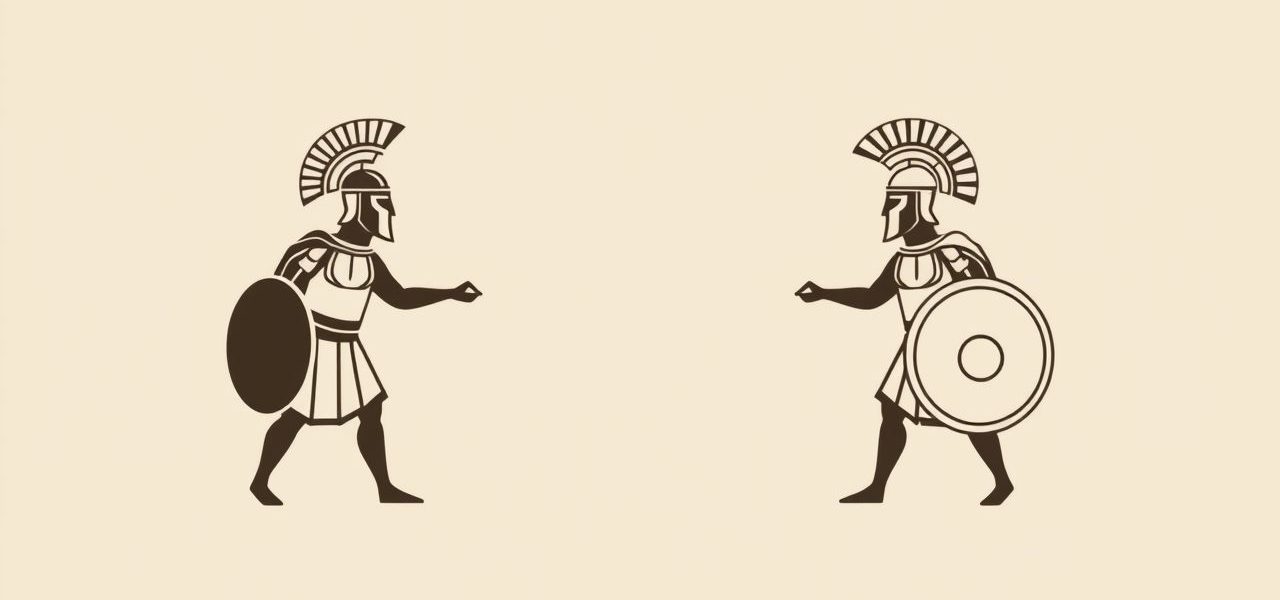
The clash between Chandragupta Maurya and Seleucus I Nicator marked a significant turning point in the history of ancient India and Hellenistic Asia. Following the death of Alexander the Great, his generals divided his vast empire, with Seleucus claiming control over the eastern provinces. Meanwhile, Chandragupta Maurya had established a powerful empire in India, overthrowing the Nanda dynasty and expanding his rule rapidly. When these two mighty leaders came into contact around 305 BCE, it resulted in a historic conflict that blended diplomacy with military might, leaving a legacy that influenced Indo-Greek relations for generations.
Background of the Conflict
Rise of Chandragupta Maurya
Chandragupta Maurya was the founder of the Mauryan Empire in India. With the guidance of his advisor Chanakya, he successfully overthrew the Nanda dynasty and unified most of northern India under one rule. By the time of his confrontation with Seleucus, Chandragupta had established strong administrative and military systems. His ambitions were not limited to India; he also sought to control the northwestern territories that had been under the influence of Alexander’s successors.
Seleucus and the Hellenistic World
After Alexander’s death in 323 BCE, his empire fragmented. Seleucus I Nicator, one of his generals, fought to secure control over Babylon and eventually expanded his rule eastward into regions that included parts of modern-day Iran, Afghanistan, and Pakistan. Seleucus hoped to reassert Hellenistic control over the Indian territories that Alexander had once conquered, bringing him into direct conflict with Chandragupta.
The Battle and Its Events
Geographical Focus of the Conflict
The battle between Chandragupta Maurya and Seleucus likely occurred near the Indus River valley or in the regions bordering Bactria and the Indian subcontinent. The exact location is still debated by historians, but it is generally agreed that the conflict took place in northwestern India or present-day Pakistan.
Military Strength and Tactics
Both leaders commanded large and well-organized armies. Chandragupta’s forces were known for their war elephants, disciplined infantry, and experienced cavalry. Seleucus, representing the Hellenistic military tradition, relied on heavy infantry, phalanx formations, and Macedonian cavalry. However, the Mauryan use of elephants gave them a psychological and tactical advantage, especially in unfamiliar terrain for the Greeks.
Duration and Outcome of the War
The war is believed to have lasted about two years. Though Seleucus had been successful in other campaigns, he faced stiff resistance from the Mauryan forces. Eventually, the war ended not with the total defeat of either side, but through a diplomatic settlement. Recognizing the strength and influence of the Mauryan Empire, Seleucus decided to negotiate peace.
The Peace Treaty and Its Terms
Territorial Agreement
As a result of the peace treaty, Seleucus ceded several eastern territories to Chandragupta. These likely included regions of modern-day Afghanistan, Pakistan, and parts of Iran. This marked a significant territorial gain for the Mauryan Empire, consolidating its dominance in the Indian subcontinent.
Marriage Alliance
The treaty is also believed to have included a marriage alliance. Although historical records differ, it is generally understood that a Greek princess, possibly Seleucus’s daughter, was given in marriage to Chandragupta or to someone within his court. This alliance strengthened political ties and symbolized mutual respect.
Exchange of Gifts and Diplomats
As part of the peace accord, Seleucus received 500 war elephants from Chandragupta. These elephants played a crucial role in Seleucus’s subsequent battles in the West, notably at the Battle of Ipsus in 301 BCE. The exchange of ambassadors, including the well-known envoy Megasthenes, fostered a period of diplomatic engagement and cultural exchange between the two empires.
Impact on Both Empires
Expansion of the Mauryan Empire
With the acquisition of new territories, Chandragupta’s empire stretched from Bengal in the east to Afghanistan in the northwest. This unprecedented expansion made the Mauryan Empire one of the largest and most powerful political entities in the ancient world. The empire enjoyed stability and prosperity under Chandragupta and his successors, including Bindusara and Ashoka.
Strengthening of Seleucid Influence
Though Seleucus lost territory in the East, he gained strategically valuable war elephants that significantly boosted his military capabilities. His decision to settle peacefully with Chandragupta allowed him to focus on consolidating power in the western parts of his empire and participate in the larger Diadochi wars, which determined the future of Alexander’s legacy.
Cultural and Diplomatic Exchange
The interactions between the Mauryan and Seleucid empires initiated a period of diplomatic and cultural exchange. Greek scholars and ambassadors such as Megasthenes documented Indian society, contributing to Western knowledge about India. These writings offered insights into Indian customs, governance, religion, and geography during the Mauryan period.
Legacy of the Conflict
A Model of Diplomacy Over Destruction
The peaceful conclusion of the war between Chandragupta Maurya and Seleucus Nicator is often cited as an early example of diplomacy triumphing over prolonged warfare. Both leaders recognized the benefits of cooperation and mutual respect, leading to a lasting impact on their respective regions.
Influence on Future Generations
The settlement laid the foundation for subsequent interactions between Indian and Hellenistic civilizations. Later Indo-Greek kingdoms that emerged in northwestern India reflected this fusion of cultures. Art, architecture, and even coinage from these regions show a blend of Indian and Greek elements.
Historical Significance
The battle and subsequent treaty demonstrated the strategic foresight of Chandragupta and Seleucus. Their decisions shaped the geopolitical boundaries of Asia for decades to come. The Mauryan Empire, with its vast territory and strong governance, became a benchmark for later Indian empires, while the Seleucid Empire focused on stabilizing the western parts of Alexander’s former domains.
The battle between Chandragupta Maurya and Seleucus Nicator was more than a military encounter it was a decisive moment in ancient world history that showcased the power of strategic diplomacy. By choosing negotiation over extended conflict, these two rulers not only secured their empires’ futures but also established a cultural bridge that influenced centuries of Indo-Hellenistic relations. The legacy of their interaction continues to fascinate historians and remains a testament to the importance of diplomacy in international affairs.