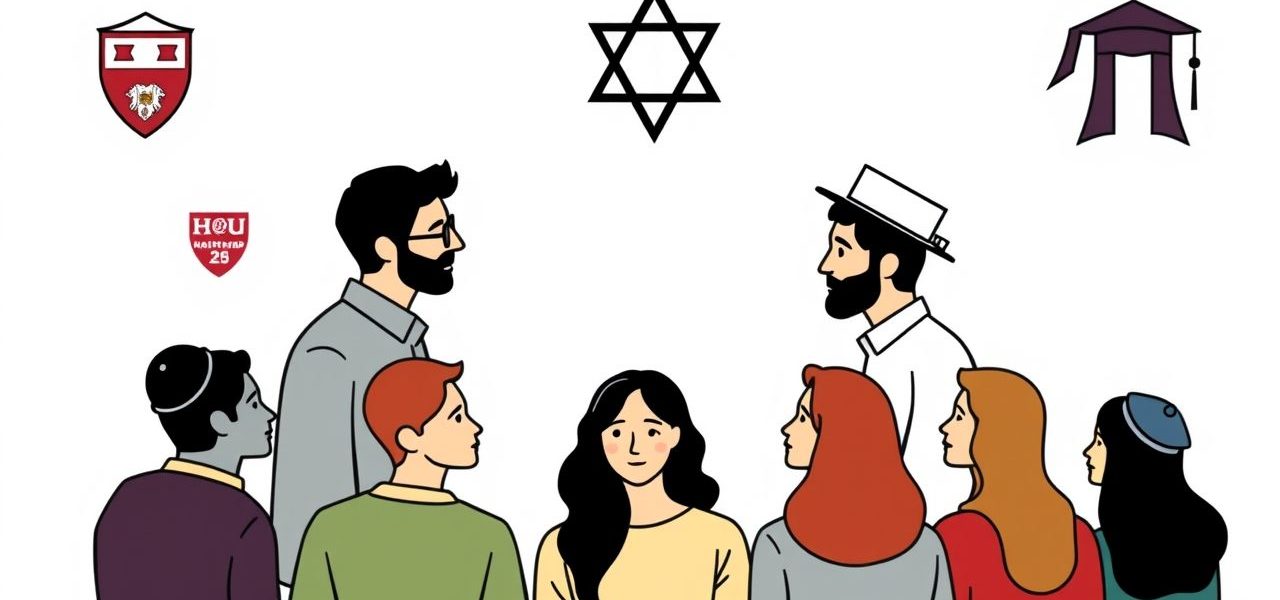
In recent years, many Jewish students across the United States have found themselves reevaluating their choices when it comes to higher education. Universities like Harvard and the University of Pennsylvania, long considered prestigious and welcoming, have come under scrutiny by Jewish students and their families. Concerns around rising antisemitism, campus activism, and institutional responses to incidents have caused some Jewish students to reconsider whether these elite schools still align with their values, safety, and identity. This shift is not simply a matter of political opinion it touches upon deeper questions of belonging, tolerance, and academic freedom.
Understanding the Changing Climate
Why Jewish Students Are Concerned
Jewish students have expressed discomfort with the current atmosphere on some Ivy League campuses. There have been growing reports of antisemitic incidents, hate speech, and political tensions, particularly surrounding discussions of Israel and Palestine. While political debate is a natural part of university life, the tone and intensity of some activism have left Jewish students feeling marginalized.
Additionally, some students feel that university administrations have not responded effectively or empathetically when Jewish students raise concerns. This lack of support can create an unwelcoming environment, especially for those who openly express their Jewish identity or support for Israel.
Shifting Perceptions of Elite Institutions
Harvard and Penn have long represented academic excellence and social prestige. However, recent developments have caused some families to see these institutions in a new light. Instead of being havens for diverse thought and open discussion, they are now sometimes seen as places where Jewish students must hide aspects of their identity to fit in or avoid confrontation.
This reevaluation is not limited to anecdotal stories. Organizations that track antisemitism on college campuses have documented a rise in incidents, and national surveys show that Jewish students are more likely to report feeling unsafe or excluded in certain academic environments than in previous years.
The Role of Campus Culture
Student Activism and Free Speech
One major factor in this shift is the nature of campus activism. While student movements can be powerful tools for change, they can also become divisive. Some Jewish students report that pro-Palestinian activism on campus has crossed the line from political advocacy to targeting individuals based on their religious or cultural identity. Slogans, protest signs, and social media posts have sometimes included rhetoric that Jewish students find deeply offensive or threatening.
At the same time, debates about free speech and academic freedom have complicated how universities respond. Administrations often walk a fine line between protecting free expression and maintaining a safe and inclusive environment for all students. When Jewish students feel their concerns are not taken seriously, it can lead to a loss of trust in the institution as a whole.
Social Pressures and Isolation
Outside of formal activism, Jewish students may also experience social pressures in dorms, classrooms, and clubs. Peer groups can be less understanding of Jewish identity, and students sometimes find it hard to speak up without fear of being judged or ostracized. In some cases, students have chosen to stay quiet about their background to avoid uncomfortable situations.
This feeling of isolation can be particularly strong at prestigious universities where competition and groupthink can dominate social dynamics. For Jewish students who are already navigating academic and personal challenges, this added pressure can lead them to question whether attending such schools is worth the emotional cost.
Exploring Alternative Options
Considering Other Universities
As concerns grow, many Jewish students are exploring other college options that may offer a more inclusive or supportive environment. These include schools with strong Jewish communities, active Hillel chapters, or leadership that has been responsive to incidents of discrimination. Some students are choosing smaller liberal arts colleges where the campus culture feels more intimate and supportive.
Others are looking at universities with clear policies against hate speech and a proven track record of responding swiftly and transparently to bias incidents. Some families are even prioritizing schools that integrate Jewish studies into their curriculum or offer programs focused on interfaith dialogue and community engagement.
Importance of Jewish Campus Life
Jewish student life plays a crucial role in helping students feel connected and supported. Programs like Shabbat dinners, Jewish learning groups, and holiday celebrations can foster a sense of belonging. When these opportunities are available and respected on campus, Jewish students are more likely to thrive.
Jewish students and their families are increasingly asking colleges hard questions during the admissions process. They want to know not just about academics, but about campus climate, safety, and inclusion. This careful evaluation reflects a growing awareness of the importance of community in the college experience.
Institutional Responses and the Path Forward
How Harvard and Penn Are Responding
In response to criticism, both Harvard and Penn have taken steps to address concerns. These include forming task forces on antisemitism, hosting campus-wide forums on inclusion, and releasing public statements condemning hate. However, many Jewish students and community leaders feel that more needs to be done not just in words, but in action.
Some suggest the creation of dedicated offices for Jewish student affairs, increased funding for Jewish student organizations, and the inclusion of Jewish voices in university decision-making processes. These steps could help rebuild trust and ensure that Jewish students feel valued and protected.
Building a More Inclusive Future
For Jewish students to feel fully welcome at elite universities, a cultural shift may be necessary. This includes fostering a deeper understanding of Jewish history, religion, and identity among the broader student body. It also requires strong leadership from university officials who are willing to listen, learn, and act.
Jewish students bring a rich tradition of scholarship, ethics, and community service to college campuses. Their presence should be celebrated, not politicized. As institutions strive to be more inclusive, they must ensure that all voices especially those feeling silenced or threatened are heard and respected.
The decision by Jewish students to rethink Harvard, Penn, and similar universities reflects broader questions about what it means to belong in today’s academic environment. It’s not just about rankings or resumes it’s about identity, dignity, and the right to learn in peace. By addressing concerns head-on and committing to inclusive practices, universities can regain the trust of Jewish students and create a more respectful, open campus culture for everyone.