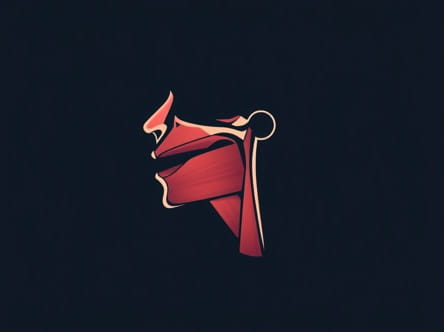
The larynx, often referred to as the voice box, is a vital structure in the neck responsible for producing sound, protecting the airway during swallowing, and aiding in breathing. One of the most important aspects of the larynx is its muscular system. The muscles of the larynx work together to control the tension, position, and movement of the vocal cords. Without these muscles, speech, singing, and even basic breathing coordination would be impossible. To fully understand the function of the larynx, it’s important to identify and explore each of the muscles involved in its operation.
Classification of Laryngeal Muscles
The muscles of the larynx are broadly classified into two categories: intrinsic and extrinsic muscles. This classification is based on their location and specific function in relation to the laryngeal cartilages and vocal cords.
Intrinsic Muscles of the Larynx
Intrinsic muscles are located entirely within the larynx. They are responsible for controlling sound production by adjusting the tension and position of the vocal cords. These muscles are particularly important in phonation and breathing.
Main Intrinsic Muscles
- Posterior cricoarytenoid muscle
- Lateral cricoarytenoid muscle
- Transverse arytenoid muscle
- Oblique arytenoid muscle
- Cricothyroid muscle
- Thyroarytenoid muscle
- Vocalis muscle
Extrinsic Muscles of the Larynx
Extrinsic muscles either originate or insert outside the larynx but attach to its structures. These muscles help move the larynx up or down during swallowing and breathing.
Main Extrinsic Muscles
- Infrahyoid muscles: Sternohyoid, sternothyroid, thyrohyoid, omohyoid
- Suprahyoid muscles: Digastric, stylohyoid, mylohyoid, geniohyoid
Detailed Overview of Intrinsic Laryngeal Muscles
Posterior Cricoarytenoid Muscle
This muscle originates from the posterior surface of the cricoid cartilage and inserts into the muscular process of the arytenoid cartilage. It is the only muscle thatabductsthe vocal cords, opening the rima glottidis (space between the vocal folds).
Function: Opens the vocal cords during breathing.
Innervation: Recurrent laryngeal nerve (branch of the vagus nerve, CN X).
Lateral Cricoarytenoid Muscle
This muscle originates from the arch of the cricoid cartilage and attaches to the muscular process of the arytenoid cartilage. It acts as anadductorof the vocal cords.
Function: Closes the vocal cords to allow phonation and prevent aspiration.
Innervation: Recurrent laryngeal nerve.
Transverse Arytenoid Muscle
This is an unpaired muscle that stretches between the two arytenoid cartilages. It helps bring the arytenoids together.
Function: Closes the posterior part of the rima glottidis by adducting the arytenoid cartilages.
Innervation: Recurrent laryngeal nerve.
Oblique Arytenoid Muscle
These muscles form an ‘X’ shape across the posterior aspect of the arytenoid cartilages. They lie superficial to the transverse arytenoid muscle.
Function: Works with the transverse arytenoid to adduct the vocal folds and close the laryngeal inlet.
Innervation: Recurrent laryngeal nerve.
Cricothyroid Muscle
Originating from the cricoid cartilage and attaching to the thyroid cartilage, the cricothyroid is unique because it is the only intrinsic laryngeal muscle innervated by theexternal branch of the superior laryngeal nerve(not the recurrent laryngeal nerve).
Function: Tenses and elongates the vocal cords by tilting the thyroid cartilage forward. This action increases pitch during phonation.
Thyroarytenoid Muscle
This muscle runs from the thyroid cartilage to the arytenoid cartilage and lies just lateral to the vocal ligaments.
Function: Relaxes and shortens the vocal cords, resulting in a lower pitch.
Innervation: Recurrent laryngeal nerve.
Vocalis Muscle
The vocalis muscle is a medial portion of the thyroarytenoid muscle that lies alongside the vocal ligament.
Function: Fine-tunes the tension of the vocal cords for precise pitch control.
Innervation: Recurrent laryngeal nerve.
Detailed Overview of Extrinsic Laryngeal Muscles
Infrahyoid Muscles
These muscles depress the larynx and hyoid bone, especially during the end of swallowing and speech modulation.
- Sternohyoid: Lowers the hyoid bone after it has been elevated.
- Sternothyroid: Depresses the thyroid cartilage and larynx.
- Thyrohyoid: Elevates the larynx or depresses the hyoid, depending on what is fixed.
- Omohyoid: Depresses and stabilizes the hyoid bone.
Suprahyoid Muscles
These muscles elevate the larynx and hyoid bone, playing a crucial role during swallowing.
- Digastric: Raises the hyoid and helps in opening the jaw.
- Stylohyoid: Elevates and retracts the hyoid bone.
- Mylohyoid: Elevates the floor of the mouth and the hyoid bone.
- Geniohyoid: Pulls the hyoid bone forward and upward.
Functional Grouping of Laryngeal Muscles
Muscles That Open the Vocal Cords
- Posterior cricoarytenoid
Muscles That Close the Vocal Cords
- Lateral cricoarytenoid
- Transverse arytenoid
- Oblique arytenoid
Muscles That Tense the Vocal Cords
- Cricothyroid
Muscles That Relax the Vocal Cords
- Thyroarytenoid
- Vocalis
Clinical Relevance
Damage to the nerves supplying the laryngeal muscles, particularly the recurrent laryngeal nerve, can result in vocal cord paralysis. This may lead to hoarseness, breathy voice, or even airway obstruction. Surgical procedures near the thyroid gland or aortic arch pose a risk to the laryngeal nerves, especially during thyroidectomy.
The muscles of the larynx are integral to voice production, airway protection, and effective breathing. Each muscle has a specialized role, whether it’s opening the vocal cords for breathing or tensing them for high-pitched sounds. Both the intrinsic and extrinsic muscles of the larynx contribute to the dynamic and complex process of phonation. A thorough understanding of these muscles, their actions, and their innervation provides a solid foundation for clinical practice and appreciation of human anatomy.