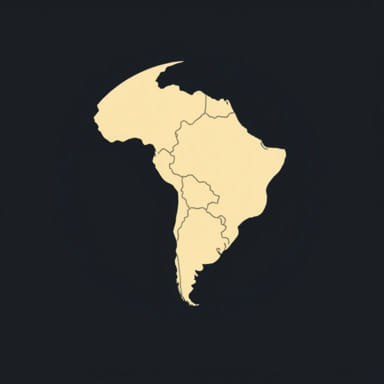
Located along the Earth’s equator, certain countries experience a unique climate and geographical identity unlike anywhere else. One such country is Ecuador, whose very name is derived from the Spanish word for equator.” The equator runs straight through this South American nation, giving Ecuador distinct natural features, consistent daylight, and an incredibly diverse ecosystem. Countries on the equator enjoy a tropical environment and rich biodiversity, often attracting researchers, tourists, and nature enthusiasts alike. Exploring the features of a country on the equator, such as Ecuador, provides valuable insight into its geography, climate, culture, and environmental significance.
Geographic Significance of the Equator
What Is the Equator?
The equator is an imaginary line that circles the globe at 0 degrees latitude, dividing the Earth into the Northern and Southern Hemispheres. This line crosses through 13 countries, including Ecuador, Brazil, and Indonesia. The geographic location of a country on the equator has a significant impact on its climate, biodiversity, and human activity.
Ecuador’s Unique Position
Ecuador is one of the most well-known countries straddling the equator. The equator passes just north of its capital, Quito. There are monuments in Ecuador marking the equatorial line, such as the “Mitad del Mundo” (Middle of the World), where visitors can stand with one foot in each hemisphere.
Climate Patterns in Equatorial Countries
Consistent Daylight
One of the defining characteristics of countries on the equator is the nearly equal length of day and night throughout the year. In Ecuador, sunrise and sunset occur at roughly the same time daily around 6 a.m. and 6 p.m. regardless of the season. This consistency shapes local lifestyles and agriculture.
Tropical Climate
Equatorial countries typically have a tropical climate, which means they experience warm temperatures year-round. Instead of four seasons, they often have just two wet and dry. In Ecuador
- The coastal region is hot and humid with a pronounced rainy season.
- The Andean highlands enjoy a cooler, spring-like climate due to elevation.
- The Amazon basin in the east is hot and rainy year-round, supporting lush rainforests.
Natural Diversity and Ecology
Biodiversity Hotspots
Countries on the equator, especially Ecuador, are known for incredible biodiversity. The Galápagos Islands, part of Ecuador, are home to species found nowhere else on Earth. Mainland Ecuador also includes Amazonian rainforests, Andean mountains, and coastal plains all within one small nation.
Protected Areas and Conservation
To protect its ecological wealth, Ecuador has established numerous national parks and reserves. Some notable examples include
- Yasuni National Park – located in the Amazon and considered one of the most biodiverse places on Earth.
- Galápagos National Park – a UNESCO World Heritage site with unique wildlife such as giant tortoises and marine iguanas.
- Cotopaxi National Park – home to the famous Cotopaxi volcano and high-altitude ecosystems.
Cultural and Economic Impact
Indigenous Heritage
Countries along the equator often have rich indigenous histories. In Ecuador, native groups such as the Kichwa, Shuar, and Otavalo maintain traditional customs, crafts, and languages. Many live in or near equatorial regions and contribute to Ecuador’s cultural diversity.
Agriculture and Livelihood
The tropical climate supports agriculture year-round. Ecuador is a major exporter of
- Bananas – one of the world’s leading banana producers
- Coffee and cocoa – grown in the highlands and coastal areas
- Flowers – particularly roses, which thrive in the Andean altitude with equatorial sunlight
Fishing, tourism, and oil production also form key pillars of Ecuador’s economy, much of which is influenced by its location on the equator.
Tourism and the Equator Experience
Equator Monuments and Attractions
Tourists visiting Ecuador often make a point to visit the “Mitad del Mundo” monument near Quito. This site offers interactive exhibits about the equator, scientific demonstrations, and cultural showcases. Visitors enjoy balancing eggs on nails, watching water drain in opposite directions on either side of the equator, and taking memorable photos straddling the hemispheres.
Galápagos Islands
Situated on the equator, the Galápagos Islands offer a once-in-a-lifetime wildlife experience. The islands were critical to Charles Darwin’s theory of evolution, and today they serve as a model for conservation and sustainable tourism.
Adventure and Nature Tourism
Ecuador’s diverse geography supports a wide variety of outdoor activities
- Hiking in the Andes
- Exploring Amazonian rainforests
- Whale watching off the Pacific coast
- Climbing volcanoes such as Chimborazo and Cotopaxi
Challenges of Equatorial Countries
Environmental Pressures
Despite its ecological richness, being on the equator also brings environmental concerns. Deforestation, climate change, and urbanization threaten habitats and wildlife. Ecuador faces the difficult balance between development and environmental preservation, especially in oil-rich Amazonian regions.
Health Considerations
Equatorial regions often contend with diseases related to warm, humid climates such as malaria, dengue fever, and other tropical illnesses. Public health initiatives and international aid help mitigate these challenges, but they remain a factor in equatorial living.
Scientific Importance of Equatorial Locations
Astronomy and Space Studies
Equatorial regions are advantageous for astronomy because they allow visibility of both northern and southern celestial hemispheres. Ecuador has been considered a potential site for satellite launches due to its equatorial location, which provides greater launch efficiency.
Climatology and Earth Sciences
Being on the equator also makes Ecuador and similar countries ideal for climate research. Scientists study rainfall patterns, solar radiation, and biodiversity in these regions to better understand global ecological dynamics.
A country on the equator, such as Ecuador, offers a fascinating glimpse into life where the Earth’s hemispheres meet. Its consistent climate, ecological variety, and cultural heritage make it an exceptional example of equatorial living. From the cloud forests and snow-capped peaks of the Andes to the vibrant life of the Galápagos Islands, Ecuador represents the diverse opportunities and responsibilities that come with being situated along one of the most important geographic lines on the planet. As tourism, conservation, and scientific interest grow, countries like Ecuador continue to play a vital role in our understanding of the natural world and humanity’s place within it.