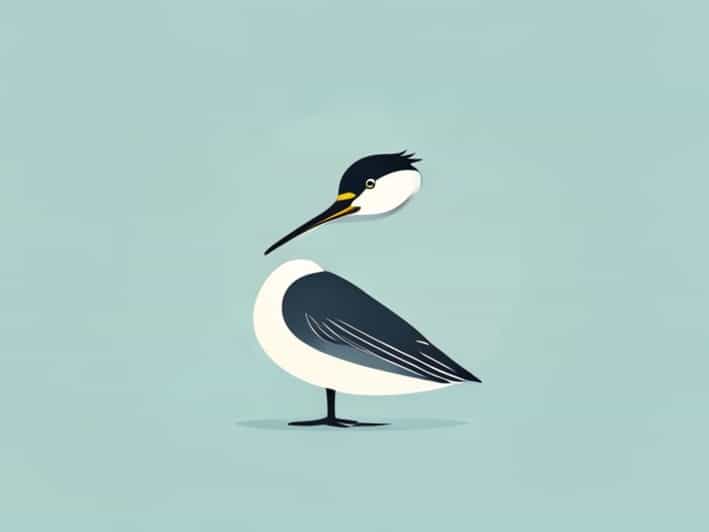
The pied-billed grebe is one of those secretive waterbirds that often goes unnoticed despite living close to many human communities. Known for its compact body, subtle coloring, and unusual ability to sink below the water’s surface without diving, this small bird fascinates birdwatchers and wildlife enthusiasts alike. Observing a pied-billed grebe can reveal surprising behaviors, from its soft calls echoing across marshes to its skilled underwater hunting techniques. Learning more about this species helps us appreciate the complexity of wetlands and the wildlife that depends on them.
Understanding the Pied-Billed Grebe
The pied-billed grebe is a small waterbird commonly found in freshwater habitats across North America, Central America, and parts of South America. Known scientifically asPodilymbus podiceps, it is instantly recognizable by its thick bill, which during breeding season features a distinct black band or pied marking. While its plumage appears plain brown, this simplicity serves as excellent camouflage among reeds, cattails, and floating vegetation.
Physical Characteristics
This species has several unique physical traits that allow it to thrive in watery environments. Unlike many birds, the pied-billed grebe has legs positioned far back on its body, making it awkward on land but extremely efficient in water. Its lobed toes help it maneuver quickly while diving or chasing prey.
- Length Approximately 12 15 inches
- Bill Thick, pale, with a dark band during breeding season
- Plumage Brown, with subtle shading for camouflage
- Neck Short and sturdy, useful for aquatic movement
These features contribute to the bird’s ability to escape predators by sinking out of sight. This submerging behavior is one reason the pied-billed grebe is often called a master of disappearance.
Habitat and Distribution
The pied-billed grebe thrives in wetlands, ponds, marshes, and slow-moving rivers. These areas provide vegetation for nesting, open water for feeding, and cover for protection. Its distribution stretches widely, making it one of the most adaptable grebes in the Western Hemisphere.
Preferred Environments
The bird typically chooses locations surrounded by emergent vegetation such as cattails and bulrushes. These plants offer hiding spots and materials for nesting platforms. Although the species prefers freshwater habitats, it occasionally uses brackish areas, particularly during migration.
Migration Patterns
Not all pied-billed grebes migrate; some populations remain year-round in warmer regions. In colder climates, the birds migrate south to avoid freezing waters. Their movements are flexible, often influenced by food availability and temperature changes rather than strict seasonal timing.
Diet and Feeding Behavior
The pied-billed grebe is a skilled hunter, catching prey through rapid dives and underwater pursuit. Its diet varies depending on habitat and season, but it generally feeds on aquatic animals.
Common Prey
- Small fish
- Crustaceans
- Insects and insect larvae
- Amphibians, such as tadpoles and small frogs
The bird swallows small stones, known as gastroliths, to help digest tougher prey. Its hunting style involves silently cruising across the water before suddenly dipping beneath the surface. This quiet, stealthy approach makes it an effective predator.
Nesting and Reproduction
Pied-billed grebes build floating nests anchored to vegetation. These nests are designed to rise and fall with water levels, protecting the eggs from flooding. Both parents participate in nest building, incubation, and chick care.
Breeding Behavior
During breeding season, the grebe’s call becomes more frequent, marking territory and attracting mates. The bird’s distinctive bill markings also appear during this time, making identification easier. Courtship involves vocalizations, swimming displays, and careful nest preparation.
Chick Development
Grebe chicks are notable for their striped plumage and ability to swim shortly after hatching. Parents often carry their young on their backs, keeping them warm and protected while teaching them to forage. This behavior strengthens the bond between adults and chicks and improves survival rates.
Behavioral Traits
Pied-billed grebes are known for a range of interesting behaviors that set them apart from many other waterbirds. Their secretive nature and ability to vanish quickly make them challenging to observe, but understanding their habits adds depth to any birdwatching experience.
Silent Movement
Unlike ducks, which often take flight loudly, grebes prefer to avoid danger by slipping beneath the surface. The bird controls its buoyancy so precisely that it can partially submerge with only its eyes and nostrils visible. This periscope posture helps it scan for threats while staying hidden.
Limited Flight Abilities
Pied-billed grebes can fly, but they generally avoid doing so unless necessary. Their takeoff requires a long running start across the water. Because they rely more on swimming and diving, they spend nearly all their time on the water’s surface or just below it.
Conservation Status
Currently, the pied-billed grebe is considered a species of least concern due to its widespread distribution and relatively stable population. However, habitat loss poses a significant threat. Wetland drainage, pollution, and climate change can affect breeding grounds and food sources.
Importance of Wetland Conservation
Healthy wetlands support countless species, including the pied-billed grebe. Conservation efforts such as protecting marshes, restoring natural waterways, and controlling pollution play a critical role in maintaining bird populations. Observers who appreciate the pied-billed grebe’s unique traits often advocate for wetland protection.
Human Interaction
Although these birds generally avoid human contact, they may inhabit ponds near residential areas. Birdwatchers can help by respecting nesting sites and minimizing disturbance during breeding season. Education about wetland importance also contributes to long-term conservation success.
Why the Pied-Billed Grebe Matters
Beyond its interesting behaviors and subtle beauty, the pied-billed grebe plays an important role in aquatic ecosystems. As a predator of insects, fish, and amphibians, it helps maintain ecological balance. Its presence also indicates healthy wetland conditions, making it an important species for environmental monitoring.
A Bird That Reflects Its Habitat
The grebe’s appearance, behavior, and feeding habits are perfectly adapted to wetland life. Watching it glide across the water or disappear beneath the surface offers insights into the complexity of nature. It symbolizes the quiet resilience of wildlife that thrives in overlooked environments.
The pied-billed grebe may not be the most colorful or famous waterbird, but it represents the beauty and mystery of wetlands. Its ability to dive, hunt, and raise young in floating nests makes it both fascinating and essential to its ecosystem. Understanding this species encourages appreciation for the delicate balance of nature and the importance of preserving wild habitats. Observing a pied-billed grebe is a reminder of how much life exists just beneath the surface, waiting to be noticed and valued.