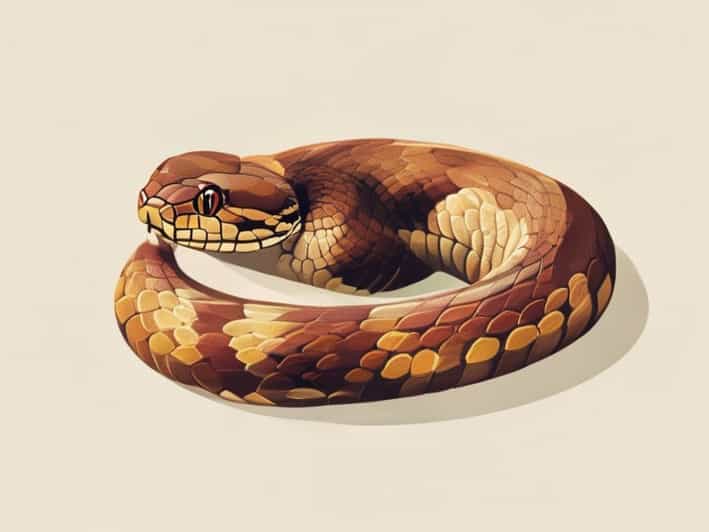
The Eastern Brown Snake is one of the most well-known and feared reptiles in Australia. Despite its slender appearance and often unassuming color, this snake possesses a venom so powerful that it ranks among the deadliest in the world. Found primarily in the eastern and central regions of Australia, the Eastern Brown Snake plays an important role in the ecosystem, helping to control rodent populations. Understanding more about this species from its habitat and diet to its behavior and dangers provides a deeper appreciation for its role in nature and helps promote awareness and safety among people who may encounter it.
Physical Characteristics of the Eastern Brown Snake
The Eastern Brown Snake, scientifically known asPseudonaja textilis, is a long and slender reptile that can reach lengths of up to 2 meters, although most individuals are slightly shorter. Its color can range from pale brown to dark chocolate, sometimes with a hint of gray or orange. The underbelly is usually lighter, often cream or yellow, with darker patches. Juvenile snakes may have bands across their bodies that fade as they mature. Despite its simple appearance, its quick movements and alert posture make it one of the most recognizable snakes in its range.
Venom and Toxicity
The venom of the Eastern Brown Snake is among the most potent of any snake in the world. It contains powerful neurotoxins and coagulants that can cause paralysis and blood clotting disorders within minutes. A single bite has the potential to be fatal if left untreated, especially for children or small animals. However, the snake rarely attacks without provocation. Most bites occur when humans accidentally step on or attempt to handle the snake. Antivenom treatments are widely available in Australia, significantly reducing fatalities, but caution and awareness remain crucial when in areas where the snake is present.
Habitat and Distribution
The Eastern Brown Snake is widely distributed across eastern and central Australia, extending from northern Queensland through New South Wales, Victoria, South Australia, and into parts of the Northern Territory. It thrives in a variety of habitats including open grasslands, dry forests, woodlands, and even agricultural lands. The species has adapted well to human environments, often found near farms, rural properties, and sometimes suburban areas where food sources like rodents are abundant.
Adaptability to Human Environments
One of the reasons the Eastern Brown Snake is so successful is its adaptability. As human settlements expand into natural habitats, this species has learned to coexist by exploiting new food sources. Barns, fields, and storage sheds attract rodents, which in turn attract snakes. This adaptability, however, also increases the risk of human encounters. People are advised to keep grass trimmed, seal entry points around homes, and store food securely to reduce the presence of rodents and, indirectly, snakes.
Behavior and Temperament
The Eastern Brown Snake is known for its alert and defensive nature. Contrary to popular belief, it does not actively seek confrontation. When threatened, the snake typically freezes or retreats to the nearest shelter. However, if cornered or provoked, it can become highly defensive raising its head, flattening its neck in a cobra-like display, and striking rapidly. These quick and unpredictable movements make it dangerous when startled, which is why maintaining distance is essential.
Activity Patterns
This species is primarily diurnal, meaning it is active during the day. It prefers warm, sunny weather and is most active in spring and summer when it hunts for food and mates. During extremely hot periods, it may become more active in the early morning or late afternoon. In colder months, the snake becomes less active and may enter a period of dormancy known as brumation, sheltering in burrows, under rocks, or within deep cracks in the ground.
Diet and Hunting
The Eastern Brown Snake’s diet mainly consists of small mammals, particularly rodents, which makes it beneficial for controlling pest populations. It also feeds on birds, frogs, lizards, and occasionally other snakes. Equipped with excellent eyesight, the snake can detect movement from several meters away. Once prey is located, the snake delivers a quick strike, injecting venom that immobilizes the animal almost instantly. It then swallows its prey whole, using strong muscles to push it down into its stomach.
Role in the Ecosystem
As a top predator, the Eastern Brown Snake plays a vital role in maintaining ecological balance. By keeping rodent populations in check, it indirectly helps prevent crop damage and the spread of diseases. Without natural predators like snakes, certain pest populations would rise uncontrollably, leading to ecological imbalances. Though often misunderstood, this species is an essential part of Australia’s natural food web.
Reproduction and Lifecycle
Eastern Brown Snakes reproduce through egg-laying. Mating typically occurs in spring, and females lay between 10 and 35 eggs during summer in warm, sheltered locations such as hollow logs, abandoned burrows, or compost piles. The eggs hatch after about two months, with the young snakes being completely independent from birth. Juveniles are more vulnerable to predators such as birds of prey and larger reptiles but grow rapidly in their first year.
Growth and Lifespan
With favorable conditions, the Eastern Brown Snake can live for more than ten years in the wild. Its growth rate depends on factors like food availability and environmental conditions. In captivity, where risks are minimal and food is plentiful, individuals can live even longer. Despite their long lifespan, many do not survive to adulthood due to predation and habitat loss.
Safety and First Aid
Encounters with Eastern Brown Snakes should always be treated with caution. If a person is bitten, it is vital to remain calm and seek immediate medical attention. Applying a pressure immobilization bandage to the affected area can help slow the spread of venom. The victim should remain still while waiting for emergency responders. Attempting to capture or kill the snake is strongly discouraged, as this often leads to more bites.
Preventing Encounters
- Keep your yard clean and free from tall grass or piles of debris.
- Store pet food securely to avoid attracting rodents.
- Seal cracks and holes in buildings to prevent snakes from entering.
- Use caution when walking in rural or bush areas, especially during warm weather.
- Teach children to recognize and avoid snakes in their environment.
Conservation Status
Despite its dangerous reputation, the Eastern Brown Snake is not considered endangered. Its population remains stable due to its wide distribution and adaptability to different habitats. However, habitat destruction, road mortality, and deliberate killing by humans pose localized threats. Conservation efforts focus on education and awareness, emphasizing coexistence rather than eradication.
Importance of Education
Many conflicts between humans and snakes arise from fear and misunderstanding. Educational programs in Australia aim to teach people how to identify snakes, respond safely to encounters, and appreciate their ecological importance. The more people understand about the Eastern Brown Snake, the better equipped they are to coexist safely with it.
The Eastern Brown Snake is both feared and respected in Australia. Its powerful venom and defensive nature make it one of the most dangerous snakes in the world, yet it also plays a critical role in the balance of its environment. By learning about its habits, behavior, and ecological importance, people can better appreciate this remarkable reptile. Respecting wildlife, maintaining awareness, and promoting safety are key to coexisting with this fascinating yet formidable species.