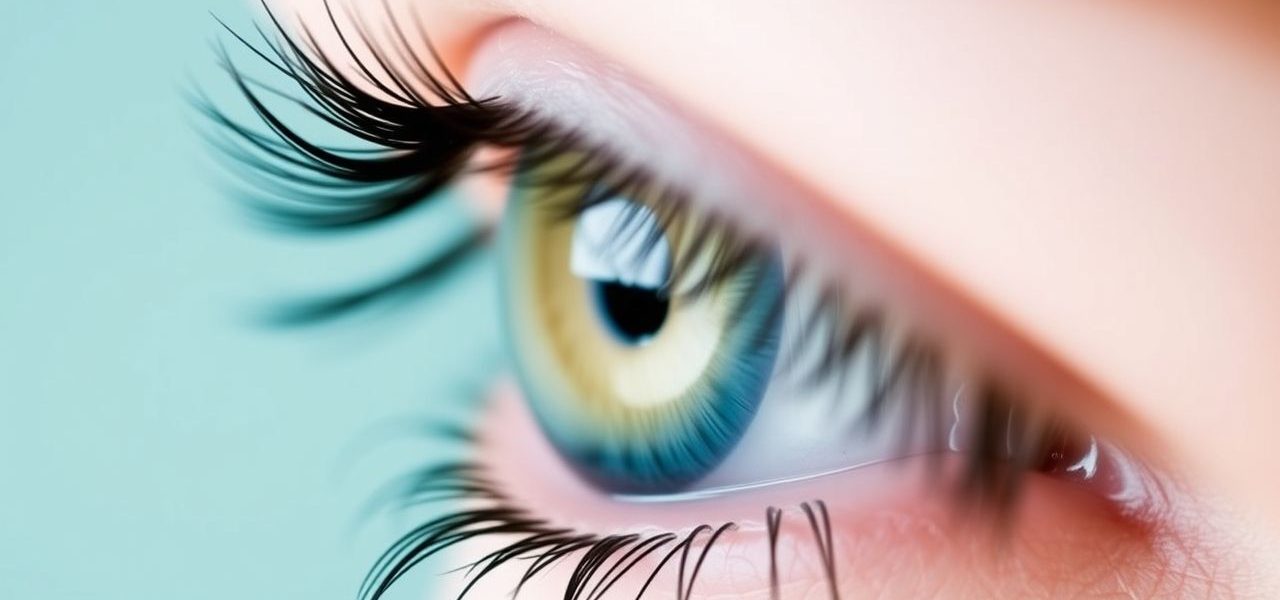
Pupillary constriction, also known as miosis, is a normal physiological response in which the pupils become smaller in diameter. This process is primarily controlled by the autonomic nervous system, specifically the parasympathetic branch. Certain agents, including drugs, natural compounds, and environmental factors, can trigger this response. Understanding the agents that cause pupillary constriction is essential in both clinical medicine and pharmacology, as it can help identify underlying health conditions, guide treatment decisions, and avoid adverse drug interactions. By exploring the different categories of these agents, we can see how diverse substances influence the eye’s ability to regulate light entry and focus.
Physiology of Pupillary Constriction
Pupillary constriction occurs when the circular muscles of the iris contract. This action is mediated by the sphincter pupillae muscle, which receives signals from the oculomotor nerve (cranial nerve III) via the parasympathetic fibers. Acetylcholine acts as the primary neurotransmitter in this process, binding to muscarinic receptors in the eye. This mechanism is important for regulating the amount of light that enters the eye, improving visual acuity in bright light, and aiding in near vision tasks.
Main Agents That Cause Pupillary Constriction
Agents that cause miosis can be categorized into pharmacological, physiological, and pathological triggers. Each group has its own mechanism of action and clinical implications.
1. Cholinergic Drugs
Cholinergic drugs stimulate the parasympathetic nervous system, promoting the release or mimicking the action of acetylcholine. These agents directly or indirectly cause the contraction of the sphincter pupillae muscle.
- Pilocarpine– Commonly used in the treatment of glaucoma to reduce intraocular pressure by improving aqueous humor drainage.
- Carbachol– Another miotic agent used in ophthalmology, particularly during eye surgeries.
- Physostigmine– An acetylcholinesterase inhibitor that increases acetylcholine levels, used in some cases of anticholinergic toxicity.
2. Opioid Drugs
Opioids are well-known for causing pinpoint pupils, which can be a diagnostic sign of opioid use or overdose. They act on the central nervous system and indirectly affect the Edinger-Westphal nucleus, leading to sustained miosis.
- Morphine– Used for severe pain management but causes marked pupillary constriction.
- Heroin– An illegal opioid with strong miosis-inducing effects.
- Fentanyl– A potent synthetic opioid used in anesthesia and chronic pain therapy.
3. Certain Sedatives and Antipsychotics
Some sedatives and antipsychotic drugs can produce miosis as a side effect due to their influence on neurotransmitter pathways.
- Clonidine– An antihypertensive drug that may cause constricted pupils as part of its central nervous system action.
- Haloperidol– An antipsychotic that can sometimes lead to mild miosis in certain individuals.
4. Environmental and Physiological Factors
Aside from drugs, certain natural responses and environmental conditions can trigger pupillary constriction.
- Bright Light– Exposure to intense light stimulates the pupillary light reflex, leading to miosis.
- Near Vision Tasks– Reading or focusing on nearby objects activates the accommodation reflex, which includes pupil constriction.
- Sleep– Pupils tend to constrict during deep relaxation and sleep due to parasympathetic dominance.
5. Pathological Causes
Certain health conditions can also lead to persistent miosis, either due to nerve damage or excessive parasympathetic stimulation.
- Horner’s Syndrome– Often associated with damage to the sympathetic pathway, causing the affected pupil to remain small.
- Argyll Robertson Pupil– A neurological condition where pupils constrict during near focus but not in response to light, often linked to neurosyphilis.
- Brainstem Lesions– Damage to the midbrain or pons can influence the control of pupillary size.
Mechanisms of Drug-Induced Miosis
Most pharmacological agents that cause miosis work by increasing parasympathetic tone or decreasing sympathetic activity. For example, cholinergic agonists directly stimulate the sphincter pupillae, while opioids act centrally to enhance parasympathetic signals to the eye. Some sedatives interfere with neurotransmission in a way that favors constricted pupils. Understanding the mechanism helps in predicting and managing side effects in patients who are taking these agents.
Clinical Significance of Pupillary Constriction
Pupil size can be an important diagnostic clue in emergency medicine. Pinpoint pupils in an unresponsive patient may suggest opioid overdose, requiring immediate administration of naloxone. In ophthalmology, intentional miosis induced by cholinergic eye drops can help manage glaucoma by facilitating aqueous humor outflow. In neurology, unusual pupil responses can indicate brain injuries or nerve damage. Therefore, recognizing agents that cause pupillary constriction has direct implications for patient care.
Potential Side Effects of Miotic Agents
While miosis can be beneficial in some cases, excessive or prolonged constriction may cause discomfort or vision problems.
- Difficulty seeing in dim light (night vision problems).
- Eye strain during activities that require wide pupils.
- Headaches or brow aches due to muscle tension in the iris.
- Temporary blurred vision.
Management of Unwanted Miosis
When pupillary constriction is caused by medication and becomes bothersome, dose adjustment or switching to alternative drugs may be necessary. In certain cases, using mydriatic agents such as tropicamide can temporarily dilate the pupils. However, such treatments should always be done under medical supervision to avoid worsening underlying conditions.
Examples of Clinical Use for Pupillary Constriction
- Glaucoma Therapy– Pilocarpine-induced miosis helps open the drainage angle of the eye.
- Eye Surgery– Miotic agents reduce the risk of damage by stabilizing the iris position.
- Neurological Examination– Miosis helps assess cranial nerve function and brainstem integrity.
Agents that cause pupillary constriction include a wide range of substances, from cholinergic drugs and opioids to environmental stimuli like bright light. Understanding these agents is important for clinicians, as pupil size can provide valuable clues to a patient’s neurological and systemic health. While miosis can be a desired effect in certain treatments, it may also signal toxicity, overdose, or underlying disease. By knowing the causes, mechanisms, and implications of pupillary constriction, healthcare providers can make more accurate diagnoses and tailor interventions for optimal patient outcomes.