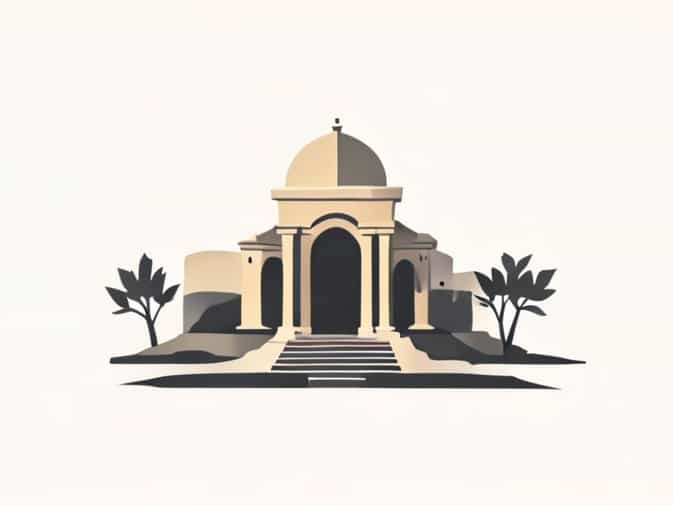
The Amir Khayrbak Funerary Complex is a remarkable historical and architectural landmark located in Cairo, Egypt. Built during the early 16th century, this complex reflects the rich cultural and artistic heritage of the Mamluk and early Ottoman periods. It is named after Amir Khayrbak, a prominent figure who played a significant role in the political and military landscape of his time. The complex is not only a testament to the architectural ingenuity of its era but also serves as a symbol of the social and religious values that shaped urban Cairo. Visitors today can admire the intricate stonework, detailed inscriptions, and the harmony of design that continues to captivate historians and tourists alike.
Historical Background of Amir Khayrbak
Amir Khayrbak was an influential military leader and political figure during the transition from Mamluk to Ottoman rule in Egypt. He held significant authority in Cairo and was known for his contributions to both governance and religious patronage. The construction of his funerary complex was intended to honor his legacy and serve as a place for both worship and commemoration. The complex was completed in the early 1500s, during a period of great architectural experimentation and refinement, where Mamluk artistic traditions began to merge with emerging Ottoman influences.
Political and Social Significance
The Amir Khayrbak Funerary Complex is more than just a tomb; it represents the social status and influence of its founder. In Mamluk and early Ottoman Egypt, funerary complexes often served multiple functions, including charitable, religious, and social purposes. By establishing this complex, Amir Khayrbak not only secured a lasting memorial for himself but also contributed to the religious and civic life of Cairo. The site includes facilities such as a mosque, madrasa (Islamic school), and spaces for charitable activities, which highlight the integrated role of architecture in social welfare during that period.
Architectural Features
The architecture of the Amir Khayrbak Funerary Complex is a distinctive blend of Mamluk and Ottoman design elements. The use of intricate stone carving, geometric patterns, and decorative inscriptions reflects the skilled craftsmanship that characterized the period. The complex is carefully planned to harmonize functional and aesthetic elements, creating a space that is both spiritually uplifting and visually striking.
The Mausoleum
The central feature of the complex is the mausoleum, where Amir Khayrbak was laid to rest. The tomb chamber is notable for its domed structure, adorned with decorative motifs and calligraphy. The dome not only symbolizes the heavens but also showcases the architectural mastery of proportion and symmetry. Inside the mausoleum, the sarcophagus and surrounding elements are carefully designed to honor the deceased while providing a serene environment for reflection and prayer.
Mosque and Prayer Hall
Attached to the complex is a mosque, which allowed visitors and worshippers to perform prayers in conjunction with the funerary site. The prayer hall features traditional Islamic architectural elements, including arches, mihrabs, and intricately carved minbars (pulpits). These features demonstrate the importance of integrating religious practice within funerary complexes, a hallmark of Mamluk and early Ottoman architecture.
Madrasa and Educational Facilities
The complex also included a madrasa, reflecting Amir Khayrbak’s commitment to education and religious instruction. Students could study Islamic jurisprudence, theology, and other subjects, while being close to a spiritually significant site. The inclusion of educational facilities emphasizes the multifunctional nature of funerary complexes, serving as centers of learning, worship, and community gathering.
Artistic Elements
The Amir Khayrbak Funerary Complex is celebrated for its artistic richness. Stone and marble carving, intricate arabesque patterns, and calligraphic inscriptions are prominent throughout the complex. These decorative features convey religious messages, commemorate Amir Khayrbak, and enhance the visual experience for visitors. The use of geometric designs, floral motifs, and symmetrical patterns reflects the aesthetic principles that guided Mamluk and early Ottoman artisans.
Calligraphy and Inscriptions
Calligraphy plays a crucial role in the artistic expression of the complex. Verses from the Quran, prayers, and dedications to Amir Khayrbak are inscribed on walls, domes, and entrances. These inscriptions serve both decorative and spiritual functions, reinforcing the religious significance of the complex while showcasing the skill of master calligraphers. The placement of inscriptions is carefully planned to guide visitors’ attention and complement the overall architectural composition.
Decorative Stonework
Stone carving is another hallmark of the complex, with intricate patterns adorning facades, arches, and columns. The craftsmanship reflects a combination of local Egyptian traditions and broader Islamic artistic influences. Each element, from the smallest carving to the grand structural features, demonstrates attention to detail and an understanding of proportion, balance, and harmony.
Cultural and Religious Significance
The Amir Khayrbak Funerary Complex serves as a cultural and religious landmark, offering insights into the values and traditions of 16th-century Cairo. Funerary complexes during this era were designed to ensure spiritual merit for the deceased while also benefiting the living community. By including spaces for prayer, education, and charitable activity, Amir Khayrbak’s complex reinforced the interconnectedness of social, religious, and personal legacies.
Influence on Later Architecture
The design and artistic elements of the Amir Khayrbak Funerary Complex influenced subsequent architectural projects in Cairo and the surrounding regions. Later builders drew inspiration from the integration of functional, aesthetic, and religious features, while continuing to evolve stylistic elements. The complex serves as a reference point for historians and architects studying the transition from Mamluk to Ottoman architectural styles.
Visiting the Complex Today
Today, the Amir Khayrbak Funerary Complex is a popular destination for tourists, historians, and architecture enthusiasts. Visitors can explore the intricate stonework, experience the serene atmosphere of the mausoleum and mosque, and gain insights into the historical and cultural context of 16th-century Cairo. Preservation efforts have maintained much of the original design, allowing modern audiences to appreciate the craftsmanship and vision behind the complex.
Tourist Experience
Visitors can admire the elaborate facades, decorative domes, and tranquil courtyards that characterize the site. Guided tours often provide historical context, explaining the life of Amir Khayrbak, the significance of the inscriptions, and the architectural techniques used. The complex offers a unique opportunity to experience the intersection of art, religion, and history in an authentic historical setting.
Educational Value
For scholars and students, the complex provides a tangible example of early Ottoman and late Mamluk architecture. Detailed study of the site reveals insights into construction techniques, artistic traditions, and the social functions of funerary complexes. It also offers lessons in the role of patronage, religious practice, and community engagement in architectural projects.
The Amir Khayrbak Funerary Complex stands as a testament to the rich cultural, religious, and architectural heritage of Cairo during the early 16th century. Through its combination of mausoleum, mosque, and madrasa, the complex reflects the multifunctional nature of funerary architecture, blending spirituality, education, and social service. Its intricate artistic details, from stonework to calligraphy, highlight the mastery of craftsmen and the aesthetic values of the period. Today, the complex continues to inspire historians, architects, and visitors, offering a window into the life, legacy, and vision of Amir Khayrbak while preserving an essential chapter of Egypt’s architectural history.