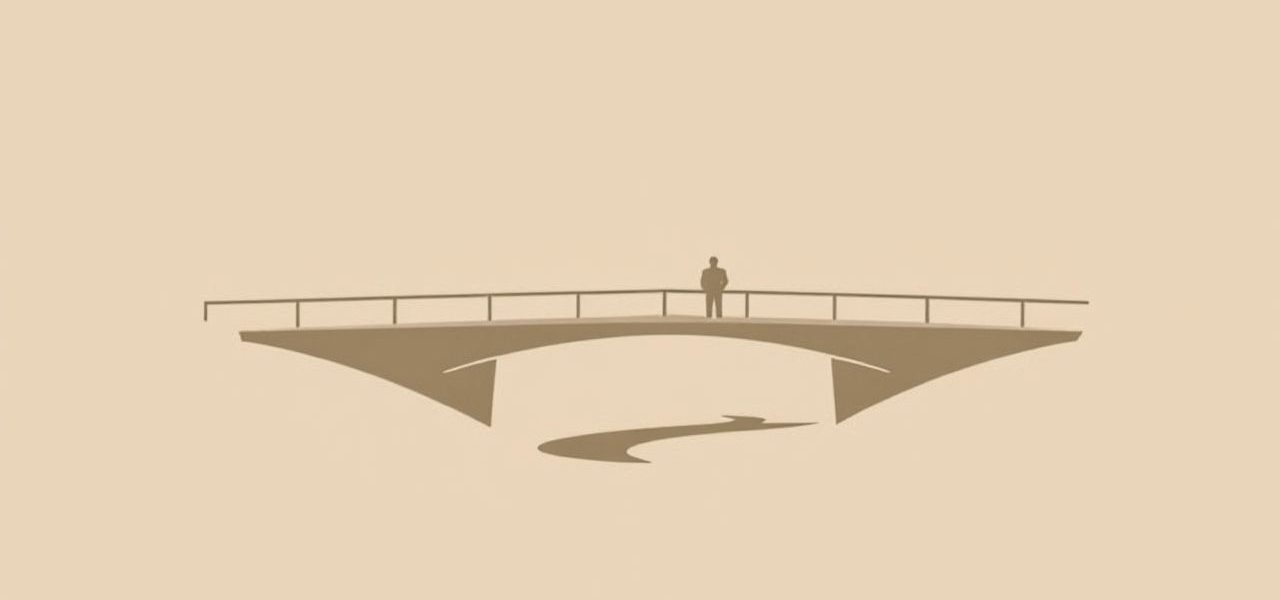
Ambrose Bierce’s short story An Occurrence at Owl Creek Bridge is a powerful exploration of time, perception, and the psychological effects of death. Set during the American Civil War, the narrative focuses on Peyton Farquhar, a Southern planter about to be executed by Union soldiers. What initially appears to be a straightforward tale of war and justice quickly transforms into a sophisticated narrative about illusion, the human mind, and the cruel distortions of hope. Through its shifting perspectives and a twist ending, the story challenges readers’ assumptions and invites deeper analysis into how time and reality are manipulated in literature.
Plot Overview and Narrative Structure
The story is divided into three parts, each offering a different point of view and contributing to its psychological depth. This structure plays a crucial role in the effectiveness of the narrative, creating suspense and leading readers to question what is real.
Part I The Execution Setup
The story opens with Peyton Farquhar standing on a railroad bridge in Alabama, awaiting his execution by hanging. Union soldiers surround him, and the tone is formal, detached, almost ceremonial. Bierce describes the scene with military precision, focusing on the physical details of the bridge, the soldiers, and Farquhar’s surroundings. This objective style creates a sense of realism and control, preparing readers for what seems like an inevitable end.
Part II Backstory and Motivation
The second part offers a flashback, revealing who Farquhar is and how he ended up in this position. As a civilian Confederate sympathizer, Farquhar is approached by a disguised Union scout who tricks him into attempting to sabotage Owl Creek Bridge. This section shifts the perspective into Farquhar’s personal and emotional world, allowing readers to understand his motivations and idealistic belief in the Southern cause. It also subtly warns of the dangers of romanticizing war.
Part III The Illusion of Escape
The third section is where Bierce’s masterful manipulation of time and perception takes full effect. Just as Farquhar is hanged, the rope seemingly breaks, plunging him into the water below. He swims to safety, avoids gunfire, and begins a long journey home through the woods. The narrative becomes increasingly surreal and vivid, filled with sensory details. Only at the very end does the reader discover that this entire escape sequence was imagined in the final moments before Farquhar’s death he never left the bridge.
Theme of Illusion vs. Reality
One of the central themes in An Occurrence at Owl Creek Bridge is the conflict between illusion and reality. Farquhar’s mind creates an elaborate fantasy of escape, one that feels completely real until the final line reveals the truth. This twist not only shocks the reader but also forces a reevaluation of everything that came before.
- The story shows how the mind can distort time and events in moments of extreme stress.
- Farquhar’s fantasy reflects both his deep desire to survive and his refusal to accept defeat.
- The illusion highlights the cruelty of war and the false hope it can inspire in those who romanticize it.
This theme is not only psychological but also philosophical. Bierce challenges the idea of objective truth, suggesting that human perception is unreliable, especially under emotional strain.
Time Distortion and Stream of Consciousness
Bierce cleverly plays with the concept of time throughout the story. The entire imagined escape sequence takes place in a matter of seconds, yet is described in extensive, detailed prose. This manipulation of time aligns with what later literary movements would call stream of consciousness, where the inner thoughts and sensations of a character are explored in a free-flowing style.
Slow Motion in the Mind
When facing death, Farquhar’s mind stretches time, turning a few seconds into an entire narrative of escape and return. Bierce uses this technique to explore how people cling to life and how the mind resists death, even creating an alternate version of reality.
- Moments are described with hyper-awareness, such as the feeling of water, sounds of birds, and the texture of tree bark.
- This internal world becomes more real to Farquhar than the physical world of the execution scene.
This use of time distortion also aligns the reader with Farquhar, making the final twist more impactful. We are tricked alongside him, and in doing so, we gain insight into the fragile line between hope and delusion.
Symbolism in the Story
Bierce uses symbolism to enhance the emotional and philosophical depth of the narrative. Each element of the story from the bridge to the forest carries layered meanings.
- The bridgesymbolizes a transition between life and death, between illusion and reality.
- The waterrepresents both freedom and the boundary between two worlds real and imagined.
- The woodsthrough which Farquhar runs symbolize the unknown, chaos, and the subconscious mind.
These symbols enrich the narrative and provide readers with tools to interpret the story beyond its surface level.
Psychological Realism
Though short, An Occurrence at Owl Creek Bridge is an early example of psychological realism in American literature. Bierce’s portrayal of Farquhar’s internal experience his senses, thoughts, and fantasies anticipates techniques that would later be developed by modernist writers.
Bierce’s experience as a Civil War soldier lends authenticity to the psychological portrayal of a man facing execution. Rather than focusing on battlefield action, Bierce explores the emotional cost of war, particularly the personal trauma and mental breakdown that can occur in moments of life and death.
Conflict Between Heroism and Delusion
Farquhar believes he is a hero, a brave Southerner defying Union control. However, his imagined escape reveals how delusion can mask fear and powerlessness. The story critiques the romantic notions of honor and sacrifice, replacing them with a stark, sobering image of manipulation and self-deception.
An Occurrence at Owl Creek Bridge is a masterclass in narrative technique, thematic complexity, and psychological depth. Through its careful structure, vivid descriptions, and unexpected ending, it offers a profound reflection on the human condition in times of war. The story asks difficult questions What is real? How does the mind cope with death? Can hope itself become a form of illusion? These themes continue to resonate, making the story a valuable subject for analysis and discussion in literature classes and beyond. Whether read in print or studied online, this short work leaves a lasting impression, reminding readers of the fragile line between perception and truth.